Qamar Riaz to succeed Sir Mark Grundy as Shireland Collegiate Academy Trust CEO
Riaz will take over in September after two years at Windsor Academy Trust, returning to an organization where he worked earlier in his career
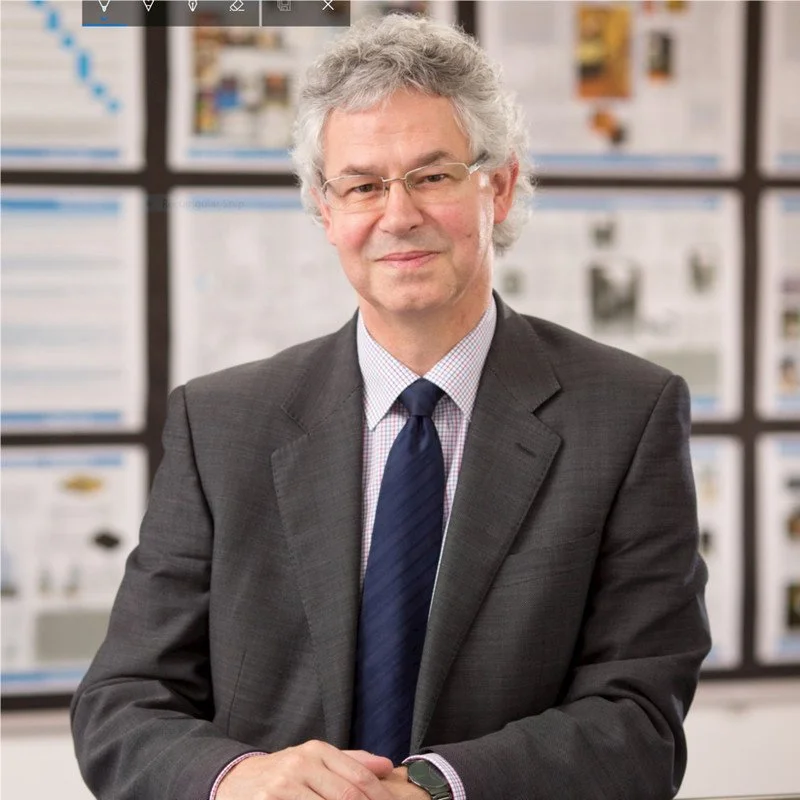
Sir Mark Grundy will be succeeded by Qamar Riaz as Chief Executive Officer of Shireland Collegiate Academy Trust in September
Qamar Riaz is to become Chief Executive Officer of Shireland Collegiate Academy Trust in September, succeeding Sir Mark Grundy as the trust prepares for its first leadership change after nearly three decades under its long-serving CEO.
Riaz announced the move on LinkedIn as he prepares to leave Windsor Academy Trust, where he has spent the past two years as Executive School Improvement Lead.
The appointment also brings him back to Shireland. Earlier in his career, Riaz worked at Shireland Collegiate Academy, and he described taking over the trust as a return to an organization that had helped shape his approach to leadership.
“Becoming CEO of Shireland feels less like arriving somewhere new and more like returning to somewhere that helped shape me as a leader,” he wrote.
He added: “I return with pride, humility and a strong sense of responsibility.”
Riaz brings school improvement and headship experience
Riaz joined Windsor Academy Trust in September 2024, working across school improvement, data and insights. Before that, he spent five years as Headteacher of King Edward VI Handsworth Wood Girls’ Academy in Birmingham between 2019 and 2024.
His previous leadership roles include Executive Principal at Tamworth Enterprise College and Headteacher at West Walsall E-ACT Academy.
At West Walsall, Riaz led the academy during a period in which it moved from special measures to a Good Ofsted judgment in October 2017. The school had been in special measures since 2014, while its predecessor had not previously been judged Good since inspections began in 1999.
Riaz began his first headship in 2015 and said his career had not followed a predetermined route toward becoming a trust CEO.
“There was never a carefully mapped route to becoming a CEO,” he wrote. “At each stage, I have tried to do the job in front of me well, keep learning, work with good people and remain focused on improving opportunities for young people.”
His move brings to an end two years at Windsor Academy Trust, where Riaz credited colleagues across the organization for the school improvement work undertaken during his time there.
“School improvement is never the work of one person,” he wrote. “Whatever progress I have contributed to has resulted from committed people working together, often doing the difficult work behind better experiences and outcomes for children.”
Sir Mark Grundy prepares to step down
Riaz will succeed Sir Mark Grundy, whose career at Shireland has spanned more than four decades in education in the Black Country.
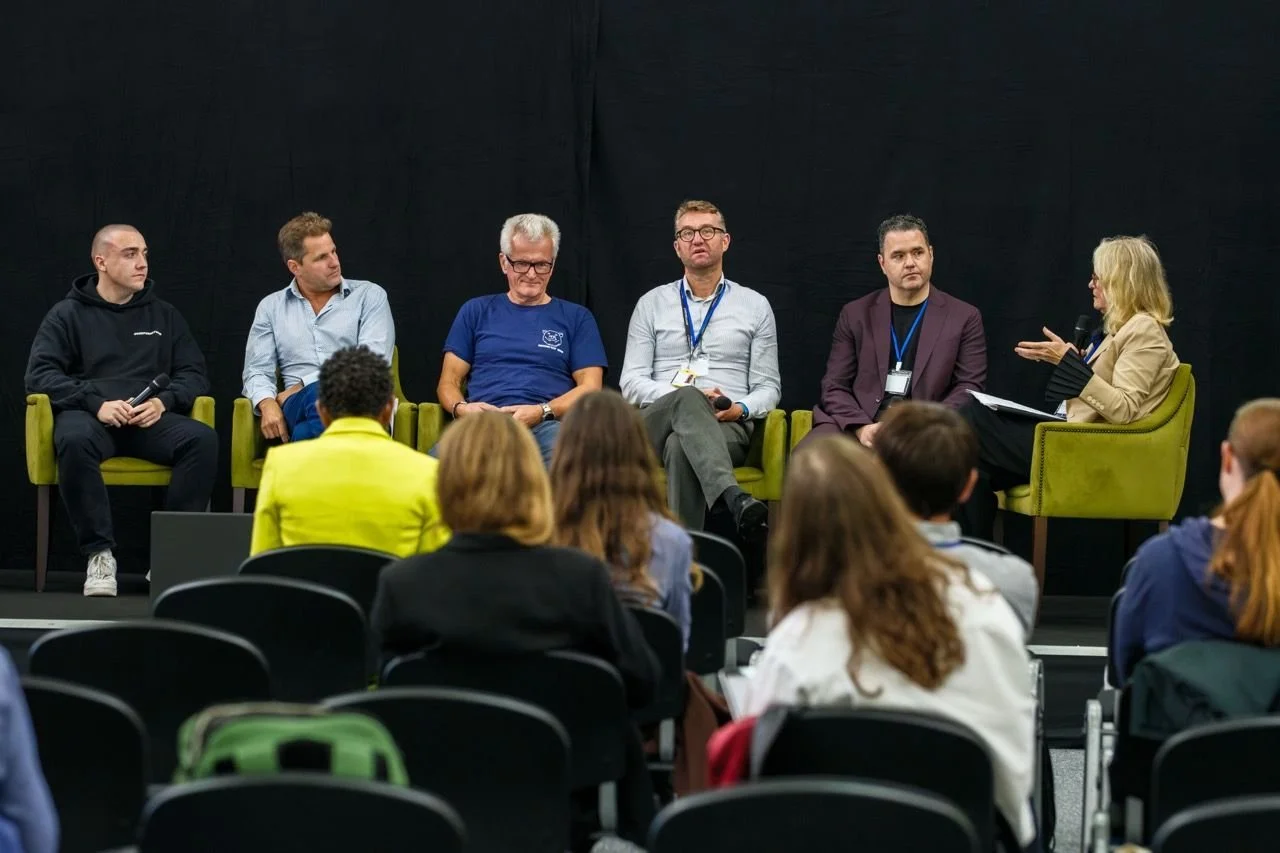
ETIH reported on Grundy’s planned retirement in January following his appearance on the Bett 2026 main stage, where he reflected on 28 years of school leadership and the development of Shireland Collegiate Academy Trust.
During that conversation, Grundy spoke about the trust’s long-term approach to technology, curriculum and staff development, arguing that technology should support teachers rather than replace professional judgment or relationships.
“Technology has never been about replacing people,” Grundy said at Bett. “But it can take a massive amount of pressure off people, and that matters.”
He also described leadership at Shireland as being rooted in service, telling the Bett audience: “For us, collegiate has always been about people. It’s about creating a culture where staff understand that leadership is about serving others, serving the staff, serving the children, and serving families collectively.”
Riaz echoed that theme when announcing his own appointment, describing educational leadership as “ultimately an act of service.”
He said his first priority at Shireland would be to listen to students, staff, families, governors, trustees and the communities served by the trust.
“I believe educational leadership is ultimately an act of service,” he wrote. “Titles and organisations may change, but the responsibility remains: to create the conditions in which children can thrive and those who serve them can do their best work.”