Manchester digital campus approved as UK government scales AI and digital workforce
Treasury-backed project brings 8,800 civil servants into a single site as government targets major expansion in digital and data roles.
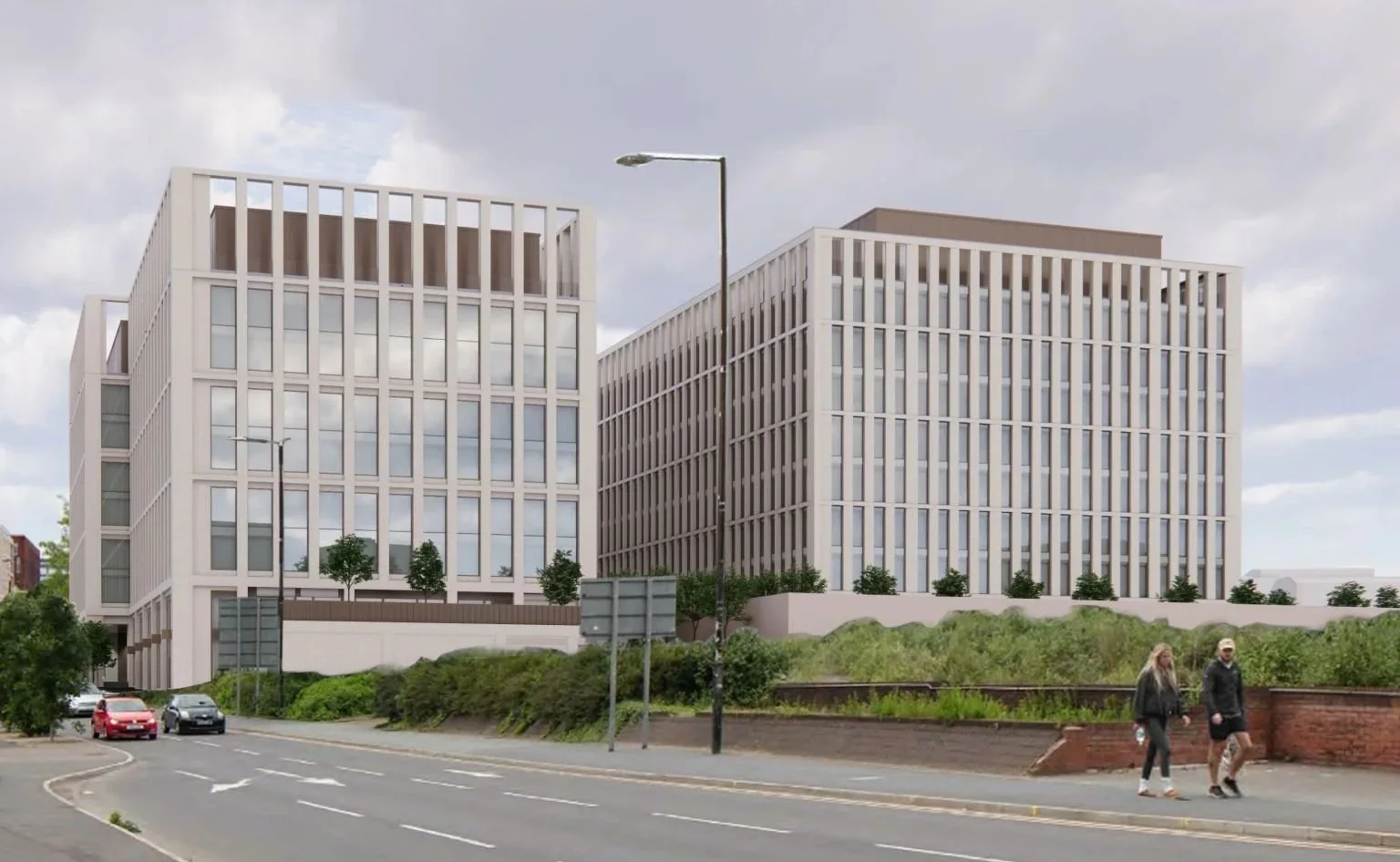
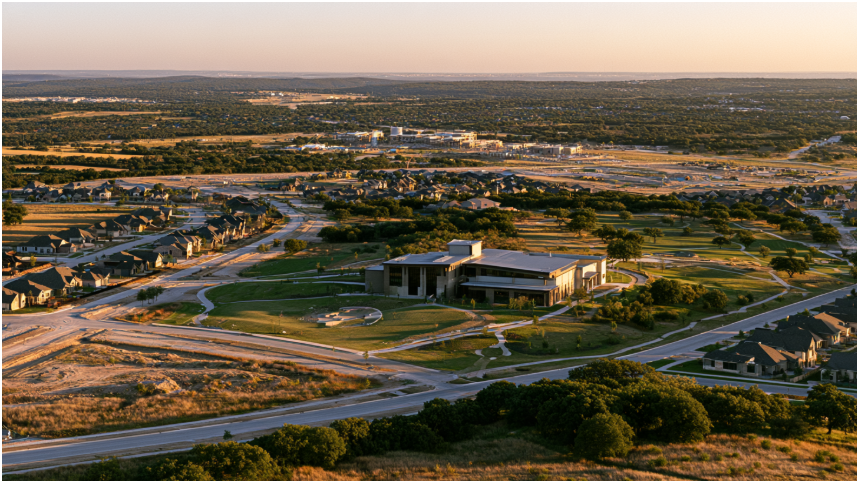
Proposed site for the Manchester Digital Campus, where the UK government plans to centralize digital and data roles by 2032.
Government Property Agency, the Cabinet Office, and HM Treasury have approved plans for the Manchester Digital Campus, a large-scale government hub designed to expand digital, data, and AI capability across the civil service.
The campus will bring together around 8,800 staff from multiple departments into a single site in central Manchester, as part of a broader push to increase the proportion of civil servants working in digital and technology roles. The move signals continued government investment in workforce skills, digital infrastructure, and regional growth, with implications for how public sector AI and digital services are developed.
Centralized campus to support digital workforce expansion
The Manchester Digital Campus will be built on a brownfield site in Ancoats and is expected to open in 2032, delivering around 900,000 square feet of workspace across two buildings.
The project is positioned as part of the government’s Places for Growth programme, which aims to move roles out of London and build regional capability. It also supports a wider target to increase the share of civil servants in digital roles to one in ten by 2030, up from just over five percent currently.
A LinkedIn update from Government Digital and Data describes the campus as a “major step forward” for the profession, highlighting its role in creating “clearer career pathways” and enabling closer collaboration across departments, industry, and academia.
Investment linked to regional growth and long-term savings
Construction is expected to support around 4,900 jobs over a four-year period, with the wider programme projected to deliver £2.3 billion in social value.
The campus is also expected to generate long-term estate efficiencies, with estimates of £4.7 billion in savings over 60 years and annual savings of around £240 million once fully operational.
Cabinet Office Minister Anna Turley says the project will “boost local growth and support regeneration of Manchester’s vibrant city centre,” while also shifting decision-making beyond London. She adds that the approach will help ensure policy is informed by local expertise and deliver “real, tangible benefits for communities across the North.”
Collaboration model reflects shift in digital government strategy
The campus is designed to bring together government teams with universities, industry partners, and the regional tech ecosystem, reflecting a more integrated approach to digital capability building.
Philippa Harvey, Senior Responsible Owner for the programme, says the initiative represents “a transformation of how government works,” bringing digital expertise together “at scale in a world-class environment.”
Cllr Bev Craig OBE, Leader of Manchester City Council, says the development will “cement Manchester’s growing global reputation in Digital and Cyber industries,” while creating new opportunities for residents and supporting wider economic growth.
The project builds on the North West’s existing digital workforce, which already includes around 25,000 civil servants, and is positioned as part of a longer-term shift toward distributed, skills-focused government operations.