AMD, Dell and Cambridge set up UK sovereign AI lab alongside Zenith supercomputer
The Sovereign AI Innovation Lab will support open AI infrastructure, research computing, healthcare, fusion energy, and public-sector AI development.
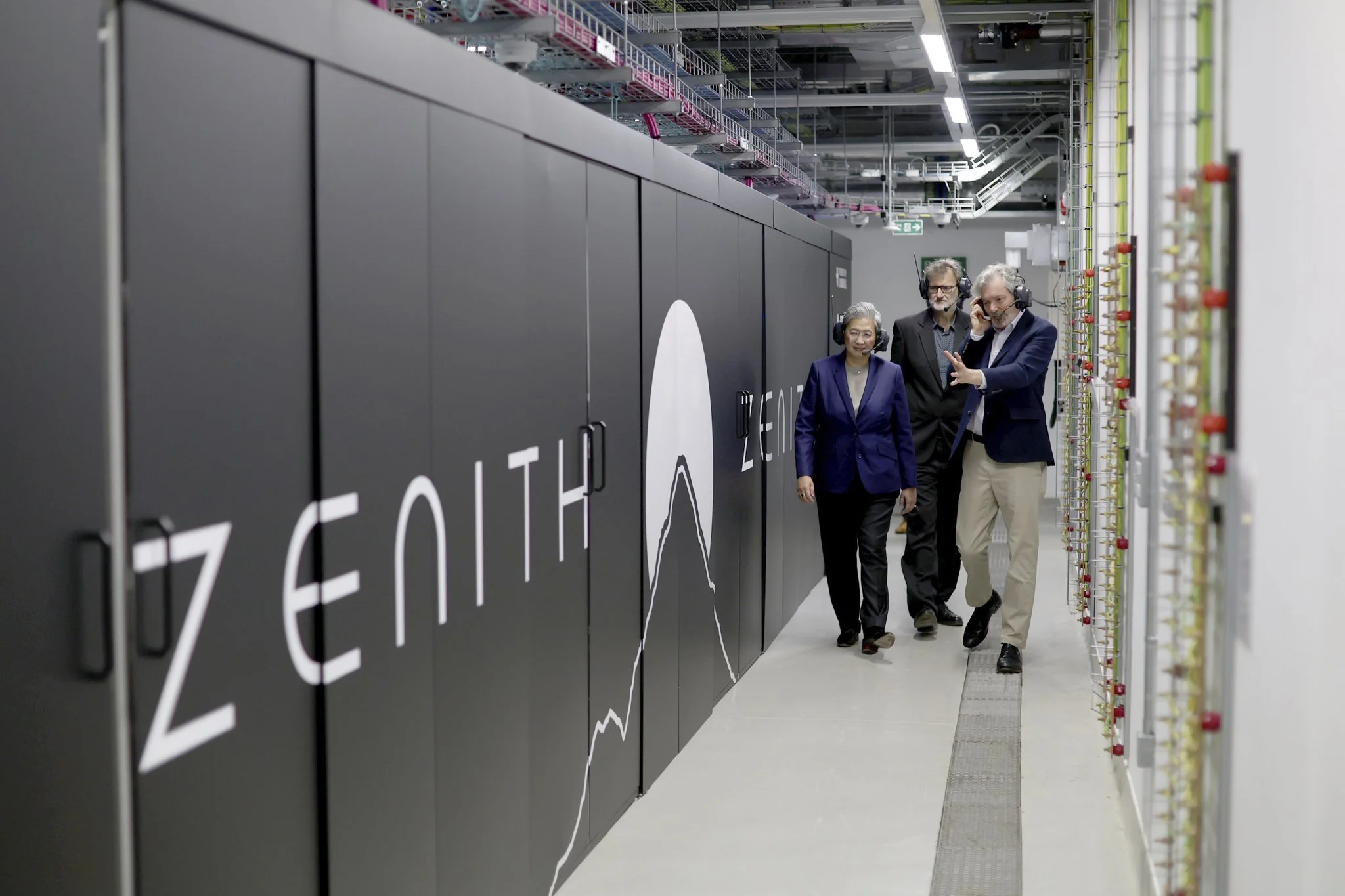
Dr Lisa Su, Chair and CEO of AMD, tours the Zenith AI supercomputer facility at the University of Cambridge during the formal launch event for the UK’s largest AI-for-science platform
AMD, Dell Technologies, and the University of Cambridge have announced plans to establish the Sovereign AI Innovation Lab in the UK, as Cambridge formally launches Zenith, the UK’s largest AI-for-science supercomputer.
The Sovereign AI Innovation Lab, known as SAIL, will be hosted through the University of Cambridge Research Computing Service. It is designed as a collaborative environment where researchers, healthcare organizations, public-sector institutions, and industry partners can evaluate, develop, and deploy advanced AI technologies.
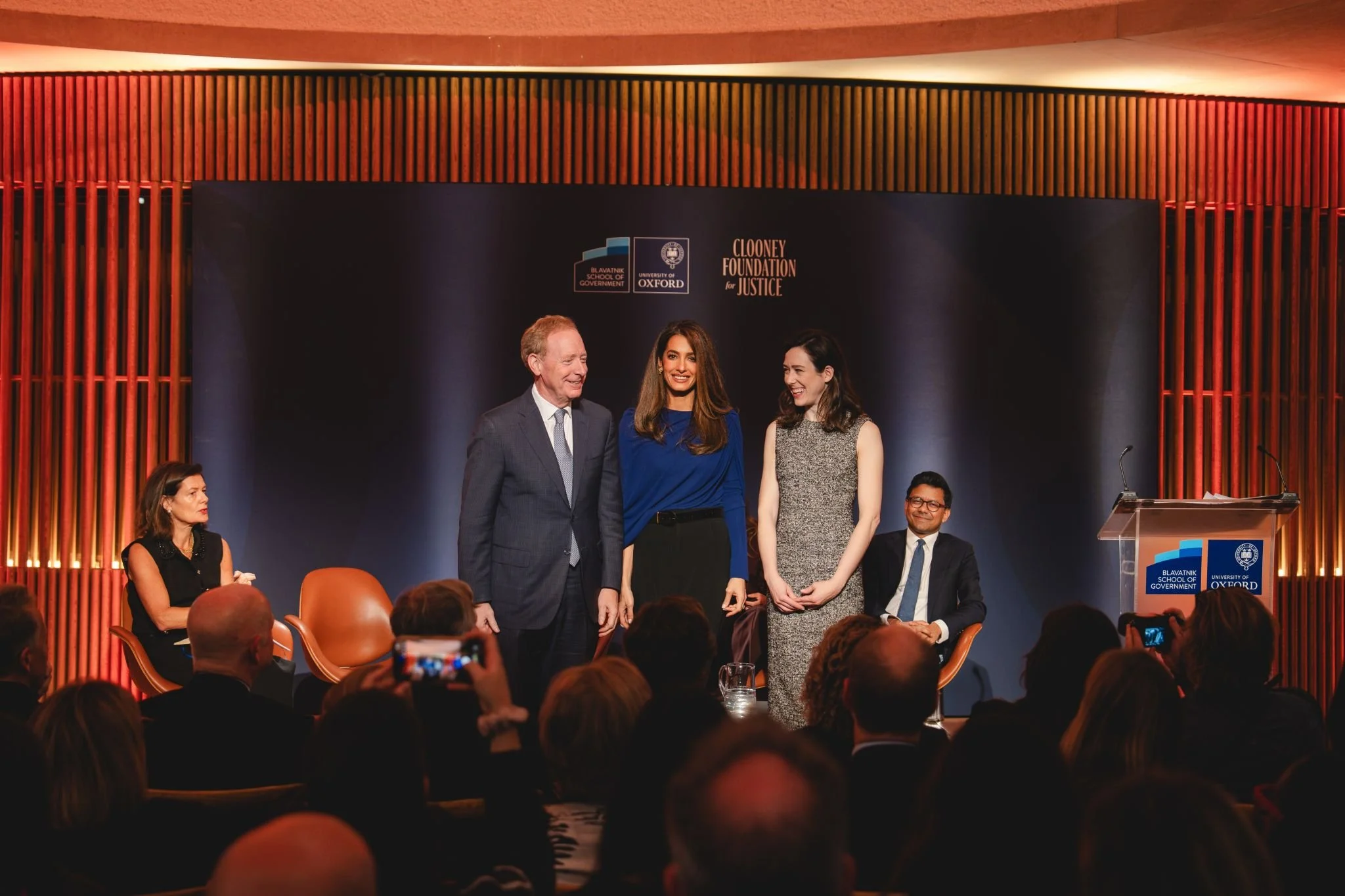
The announcement was made alongside an event at the Ray Dolby Centre attended by Dr Lisa Su, Chair and CEO of AMD, and James Frith MP, Parliamentary Under-Secretary of State at the Department for Science, Innovation and Technology and the Cabinet Office.
Zenith is funded by the Department for Science, Innovation and Technology and UK Research and Innovation. It is designed and operated by Cambridge and built with AMD and Dell Technologies infrastructure.
The new lab will sit alongside Cambridge’s growing national AI infrastructure, including Zenith and Sunrise, a second Dell-AMD AI supercomputer being built for fusion energy research through a partnership between the University of Cambridge and the United Kingdom Atomic Energy Authority.
Cambridge expands AI-for-science infrastructure
Zenith is part of the University of Cambridge’s AI Research Resource and is built to support AI, simulation, and scientific workloads on a single machine.
The system is powered by 5th Gen AMD EPYC processors and AMD Instinct MI355X GPU accelerators integrated into Dell infrastructure. Cambridge said Zenith will support research across health, energy, and the environment.
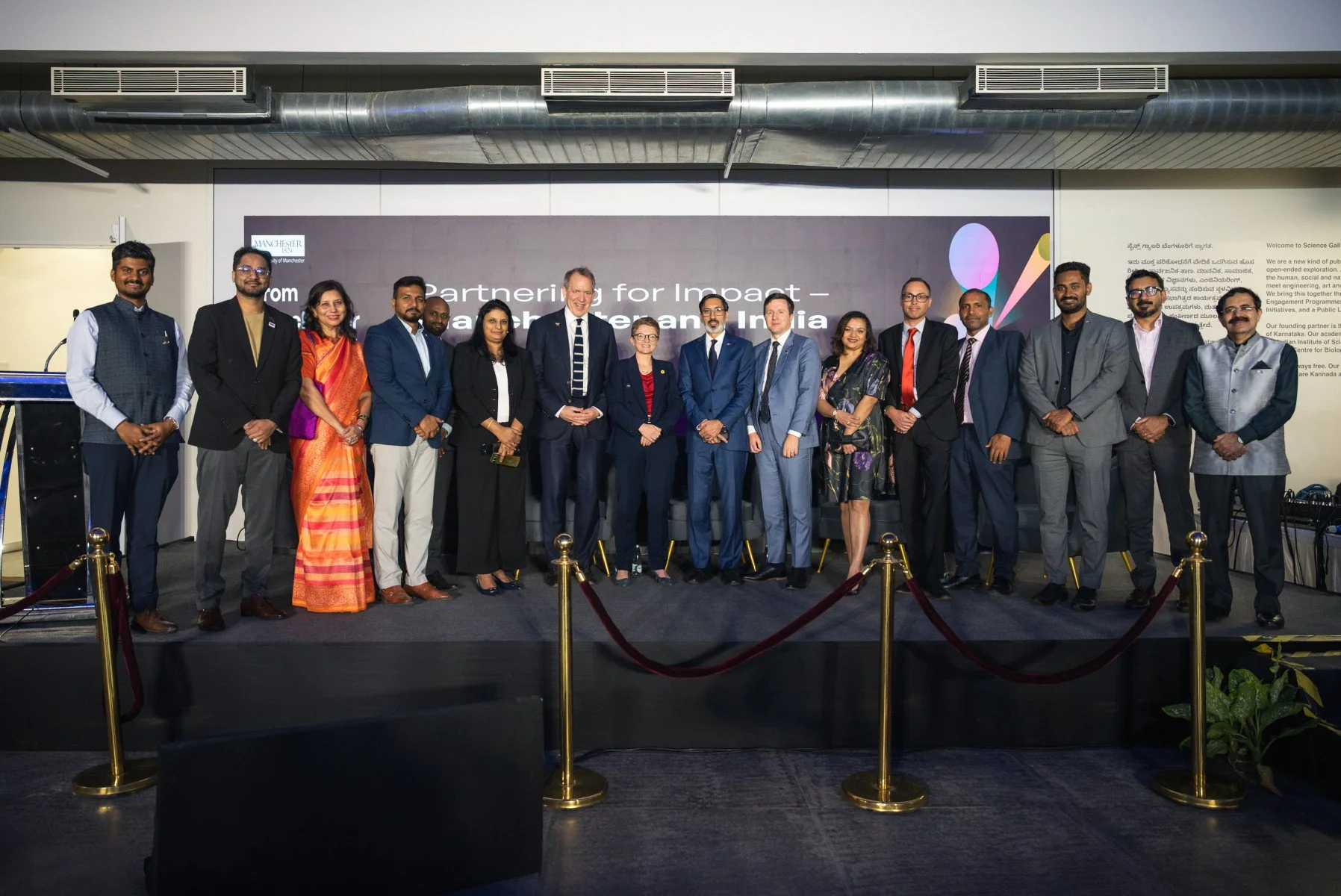
More than 80 guests, including academics, public figures, and innovators, attended the launch event at the Ray Dolby Centre. Speakers discussed how the new AI supercomputer ecosystem could support scientific work across healthcare, climate, engineering, energy, and public services.
Professor Deborah Prentice, Vice-Chancellor of the University of Cambridge, says: "Zenith, alongside Sunrise and SAIL, transforms what the University of Cambridge can achieve. By bringing together world leading researchers with national scale AI computing power, Cambridge is now equipped to tackle some of the most complex challenges of our time, from cancer, to climate, to clean energy and turn discovery into real world impact."
James Frith MP says: "The launch of Zenith marks a major step forward in the UK’s mission to harness AI for science. By bringing together world-class compute, research and industry expertise, we will unlock new discoveries in health, clean energy and the environment strengthening Britain’s position as a global leader in AI innovation."
SAIL to test open AI infrastructure
SAIL will focus on open and interoperable AI infrastructure built on AMD computing platforms, AMD ROCm software, and cloud native technologies.
The lab is expected to support work across AI training and inference, scientific foundation models, simulation-assisted AI workflows, trusted research environments, and secure public-sector AI services.
The University of Cambridge said SAIL will integrate new AI technologies, create real-world test environments, and support a UK open-source AI software environment. The aim is to help researchers and innovators build, validate, and scale trusted AI tools on sovereign infrastructure.
Dr Paul Calleja, Director of the Cambridge Research Computing Service, described the launch as "a major national moment in the UK’s build-out of AI for science, sovereign AI capability and public-private technology partnership."
He said Zenith provides national capability, Sunrise demonstrates mission-focused sovereign compute capability, and SAIL creates a pathway for sustained technology development and impact.
Cancer, climate, and fusion use cases
Healthcare research is one of the early areas tied to Zenith. Dr Sarah Burge, Director of Clinical Integration at Cambridge Cancer Centre at the University of Cambridge and Cambridge University Hospitals NHS Foundation Trust, spoke at the launch about how Zenith’s compute capability is linked to cancer research and the planned Cambridge Cancer Research Hospital.
The Cambridge Cancer Research Hospital is due to open in 2029. Cambridge said the hospital aims to develop AI-assisted clinical decision support that can inform treatment decisions in real time at the point of care.
Dr Joe Zhang, Chief Technology Officer for OneLondon and the AI Centre for Value-Based Healthcare, discussed MOSAIC, the Multimodal Oncology Sovereign AI Collaboration. The work aims to use data from NHS trusts and Zenith to build NHS cancer foundation models for clinical applications including diagnosis, treatment selection, outcomes prediction, and therapeutics development.
Environmental forecasting is also part of the launch program. Dr Scott Hosking, Mission Director for Environmental Forecasting at The Alan Turing Institute, said Zenith is being used to improve IceNet, a pan-Arctic sea ice forecasting system, through joint work with the British Antarctic Survey and The Arctic University of Norway.
Sunrise will support fusion energy research through the University of Cambridge and UK Atomic Energy Authority partnership. Tim Bestwick, Interim CEO of the UK Atomic Energy Authority, said researchers will use Sunrise to model fusion plasmas, develop materials for fusion power plant conditions, and test designs before they are built.
Sunrise is funded by the Department for Energy Security and Net Zero, owned by the UK Atomic Energy Authority, and operated by the University of Cambridge. It is being built on the same Cambridge-designed AMD and Dell architecture as Zenith and will support the Culham Campus, home to the UK’s first AI Growth Zone.
SAIL will now be developed as a public-private initiative supported by AMD and Dell Technologies. Cambridge said Zenith, Sunrise, and SAIL will operate as part of a wider AI-for-science ecosystem focused on health, energy, environmental science, advanced engineering, and UK research infrastructure.