MIT names David Siegel Innovation Fellow to advance AI and scientific discovery
The computer scientist, entrepreneur and philanthropist will work with the MIT Schwarzman College of Computing during the 2026-27 academic year
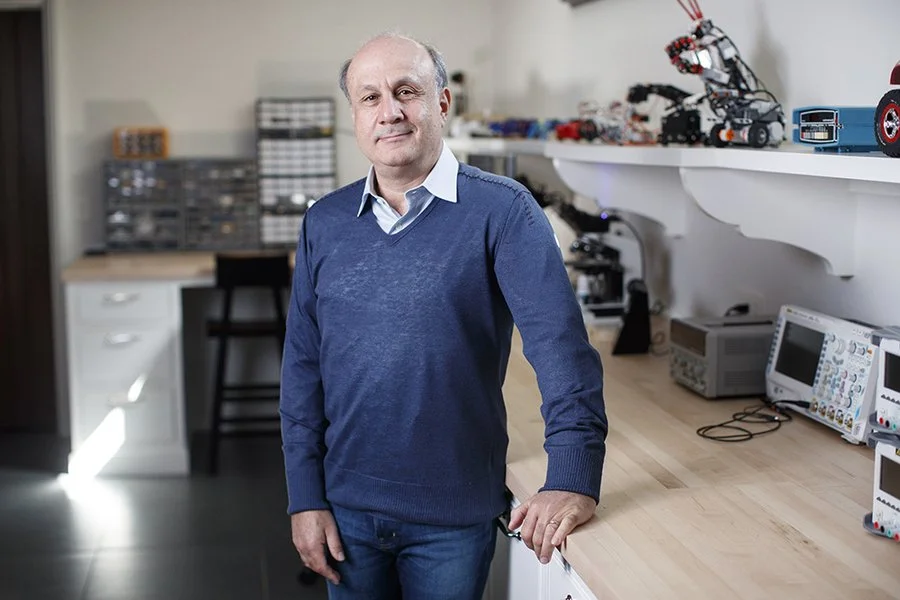
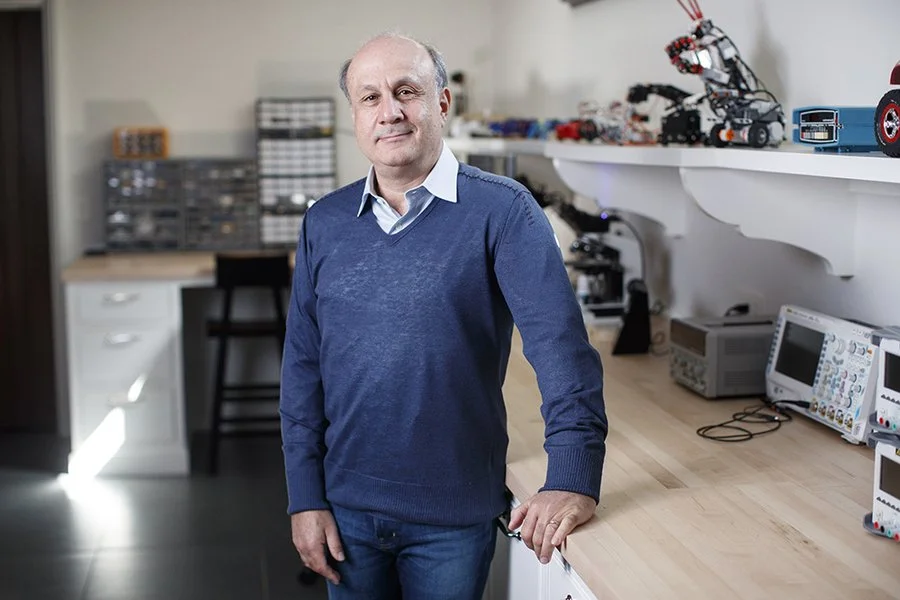
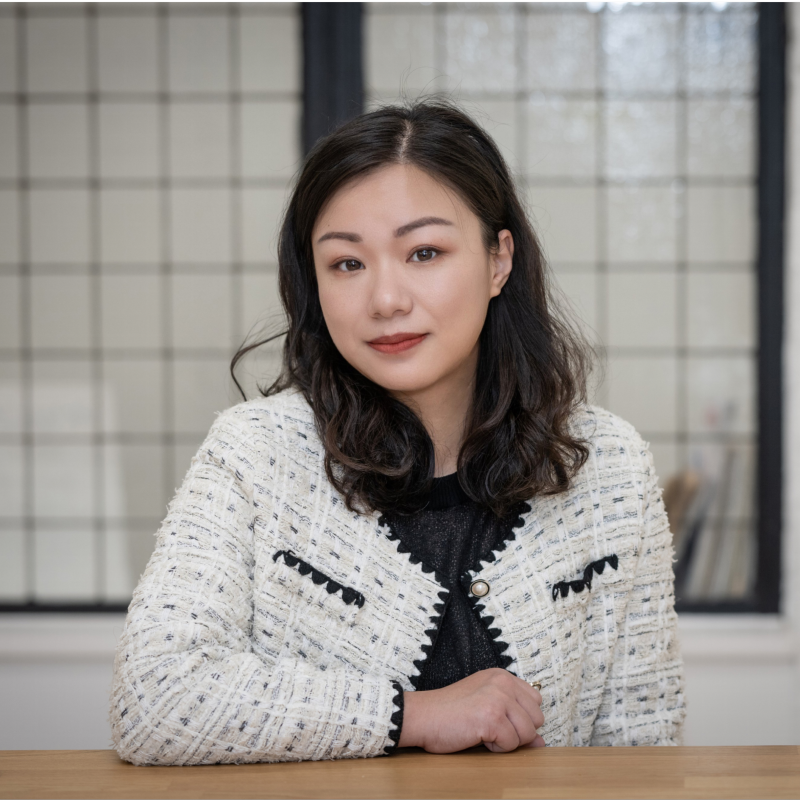
MIT has appointed David Siegel as an Innovation Fellow for the 2026-27 academic year, focusing on AI and scientific discovery Photo credit: Siegel Family Endowment
MIT has appointed computer scientist, entrepreneur and philanthropist David Siegel as its next Innovation Fellow, with a focus on how artificial intelligence can accelerate scientific discovery.
Siegel will serve in the role during the 2026-27 academic year and work with the MIT Schwarzman College of Computing, alongside students, researchers and faculty across the Institute.
The appointment brings Siegel back to MIT, where he earned a master’s degree in 1986 and PhD in 1991. During his graduate studies, he worked in the MIT Artificial Intelligence Lab, now the Computer Science and Artificial Intelligence Laboratory, in Professor Tomás Lozano-Pérez’s research group on human-machine interaction.
His work there included contributing to the development of a humanlike robotic hand.
MIT President Sally Kornbluth says Siegel has already worked with Institute leaders on initiatives spanning computing and AI.
“From the MIT Schwarzman College of Computing to the MIT Siegel Family Quest for Intelligence, David has been a superb thought partner for me and other Institute leaders on a range of very significant initiatives,” she says.
Siegel describes the fellowship as an opportunity to return to research questions around AI and science.
“MIT has played a foundational role in shaping how I view technology’s potential to address complex challenges,” he says. “I’m thrilled to return to campus as an Innovation Fellow to collaborate with brilliant students, researchers, and faculty at a pivotal juncture in how technology shapes our world.”
From MIT’s AI Lab to Two Sigma
After completing his doctorate, Siegel founded several early internet businesses before co-founding global investment firm Two Sigma in 2001.
The company applies data science, engineering, artificial intelligence, machine learning and quantitative modeling to investment. Siegel stepped back from its day-to-day management in 2024 but remains co-chair.
His connection with MIT has continued alongside that work. He is a life member of the MIT Corporation, previously served on its Executive Committee and co-chairs the External Advisory Committee for the MIT Schwarzman College of Computing.
Siegel was also an early supporter of the MIT Quest for Intelligence, an Institute-wide program examining intelligence in brains and machines that has since been renamed the MIT Siegel Family Quest for Intelligence.
Dan Huttenlocher, Dean of the MIT Schwarzman College of Computing, says the fellowship will build on that existing relationship:
“Having known David since we were both graduate students at MIT, I’m deeply familiar with his ability to advance AI and its application in various fields.
“He understands both the college’s aspirations and the challenges ahead, and his perspective will help us identify concrete paths for research, education, and broader engagement.”
Fellowship will focus on AI for science
Siegel’s current work also includes Open Athena, a nonprofit he founded in 2024 to provide academic research labs with AI talent, data engineering expertise and computing resources.
The organization is developing Marin, a 535-billion-parameter foundation model built publicly, with datasets and experiments shared as the project develops. Open Athena works with institutions including MIT and is backed by philanthropic funders including Bloomberg Philanthropies, Google, The Huang Foundation and Schmidt Sciences.
Through the Siegel Family Endowment, established in 2011, he also supports organizations including the Scratch Foundation, Center on Rural Innovation, Khan Academy, Pursuit and The Aspen Institute.
His wider education links include serving as vice-chair of the Scratch Foundation, which he co-founded with MIT Professor Mitch Resnick, and as a board member of Khan Academy and NYC FIRST Robotics.
MIT Innovation Fellows typically spend a year or more in residence, working with faculty and students, participating in public events and advising Institute leaders.
During his fellowship, Siegel will work closely with the Schwarzman College of Computing and departments across the college on the use of AI in scientific research.
“Using AI to accelerate scientific discovery is the ultimate engineering challenge,” Siegel says. “There is simply no better launchpad in the world for that work than MIT.”