Handshake expands AI push with StudentBench GRE tutor and three senior hires
The career platform has released research comparing AI and human GRE tutoring, opened StudentBench for free use and added senior leaders across Handshake Labs, Handshake AI and communications
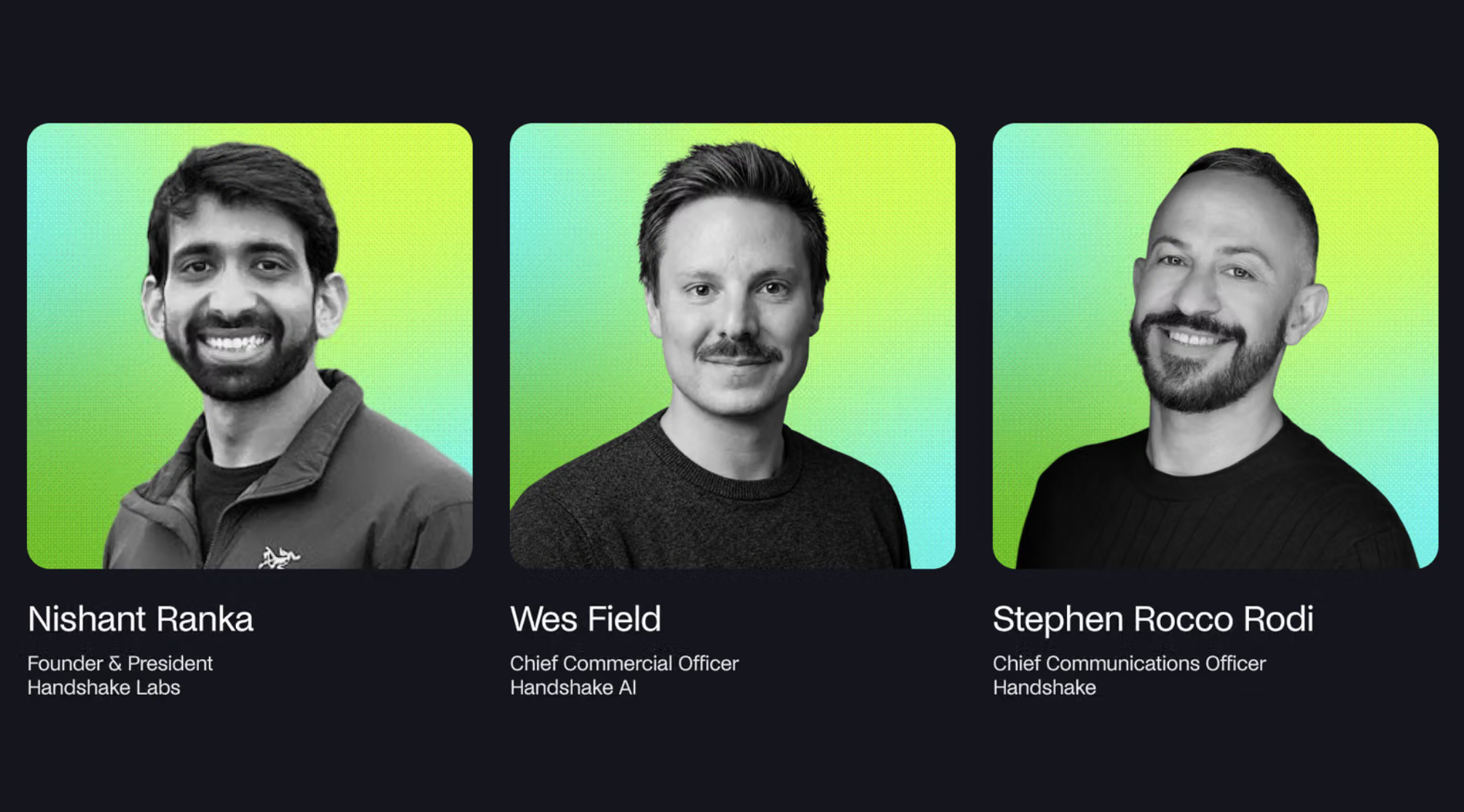
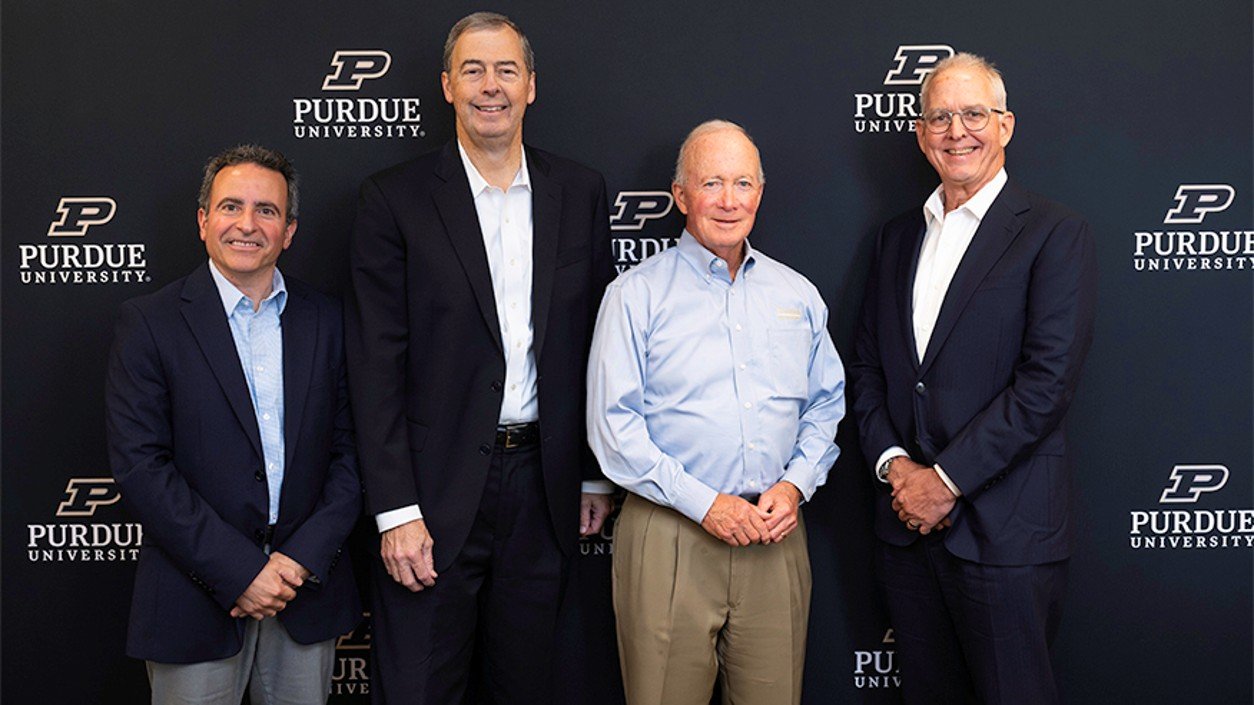
Nishant Ranka has joined as Founder and President of Handshake Labs, Wes Field as Chief Commercial Officer of Handshake AI, and Stephen Rocco Rodi as Chief Communications Officer
Handshake has stepped up its AI push with a new GRE tutoring platform, research involving 2,383 participants and three senior appointments spanning AI research, enterprise and communications.
Nishant Ranka has joined as Founder and President of the newly created Handshake Labs, Wes Field has been appointed Chief Commercial Officer of Handshake AI, and Stephen Rocco Rodi has joined as Chief Communications Officer.
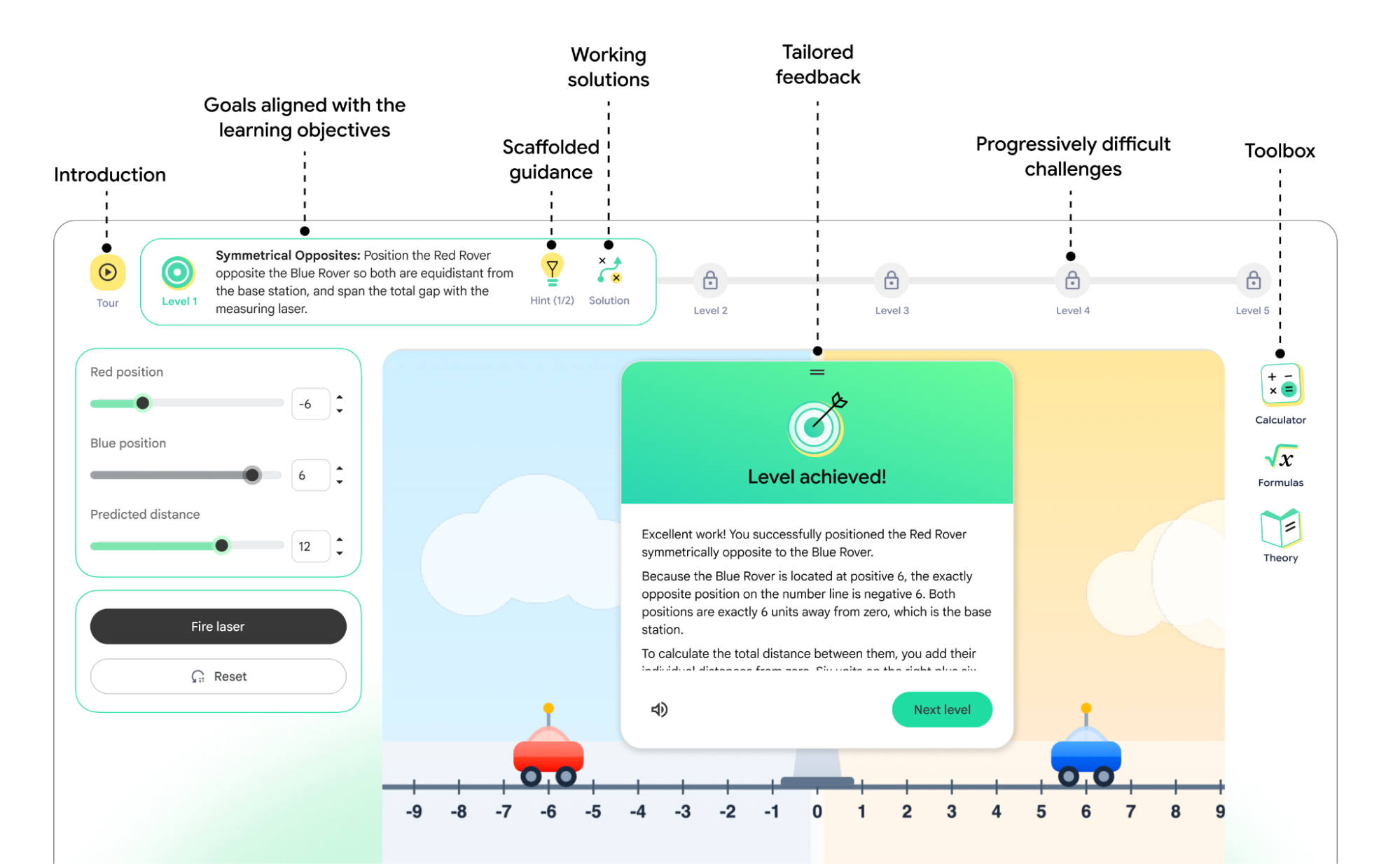
The appointments land alongside two product and research announcements in the same week. Handshake has made StudentBench, its AI-powered GRE tutoring platform, freely available following a study that found pooled AI tutoring produced learning gains statistically equivalent to expert human tutoring across combined Quantitative and Verbal GRE sessions.
Earlier in the week, the company also launched AI Skills Studio, a free product that Handshake President Jonathan Stull said allows people to use AI tools from leading AI companies to build career-focused projects in sessions lasting between 10 and 45 minutes.
Writing on LinkedIn, Stull positioned the StudentBench release around access to further study and employment: “Anyone can now use AI to give more people access to graduate education that unlocks new jobs and career paths.”
StudentBench puts AI tutors against human tutors
The StudentBench study compared AI tutoring, expert human tutoring and a no-tutoring control using GRE Quantitative and Verbal assessments.
Across 2,383 adult participants, students completed a pre-test, spent one hour in their assigned tutoring condition and then completed a separate post-test covering the same concepts.
The researchers tested 13 AI tutors in each GRE section, drawing on models from providers including Google, OpenAI, Anthropic and Moonshot. Human tutors were former ETS or Kaplan employees who had written GRE questions, or tutors with at least five years of GRE tutoring experience.
Across the combined Quantitative and Verbal results, pooled AI tutoring and human tutoring produced statistically equivalent learning gains. The adjusted difference between the two was 0.58 percentage points in favor of human tutoring.
The picture was not identical across subjects. Equivalence was established separately for Quantitative, but not for Verbal, where human tutoring retained the stronger result.
Compared with the control group, pooled AI tutoring increased learning gains by an adjusted 6.15 percentage points across the two sections. Human tutoring produced a 7.04 percentage-point gain over the control.
Six individual AI tutors also passed equivalence tests against human tutoring, although the researchers note that those individual comparisons were not corrected for multiple testing.
Cost was another focus. Gemma 4 31B achieved learning gains the researchers found equivalent to human tutoring while recording an inference cost of around $0.0052 per percentage point gained, compared with $4.81 using the study’s $75-per-hour human tutoring reference.
That produced the paper’s 918-times-lower cost figure. The comparison is specifically between AI inference costs and the human tutoring rate, rather than the total cost of operating an AI tutoring service.
StudentBench is now freely available for GRE preparation, with the study data and code also released for further research.
Handshake builds out AI leadership
The hiring moves give Handshake new senior leadership across the research, commercial and communications sides of its AI business.
Ranka is founding Handshake Labs, a new group focused on research, products and platform development for Handshake AI and its enterprise business.
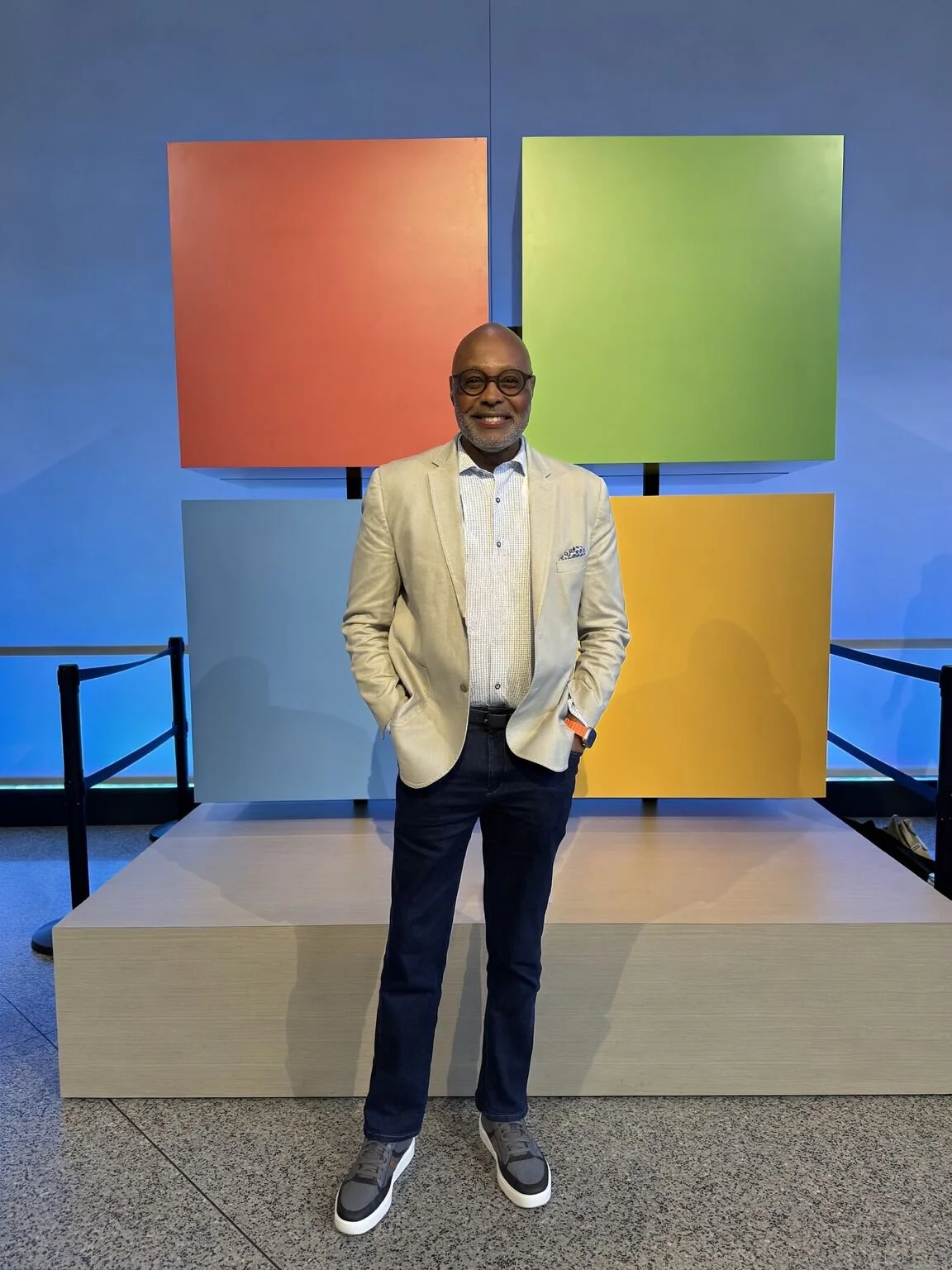
He joins after six years working on frontier large language models, including as founding product manager for Google’s MUM models and platform, work on Gemini’s first Flash models at Google DeepMind and, most recently, Microsoft’s MAI models.
His previous product work also included Microsoft Copilot, Google Search AI Overviews and Google Discover.
“One of the hardest parts of AI is the data and evals required to build it and keep it safe,” Ranka says. “Handshake has developed technology and operations required to codify human intelligence to improve and deploy AI across frontier labs and enterprises. I’m excited to push these domains forward to help develop more useful and responsible AI for everyone.”
Field, meanwhile, will lead the build-out of Handshake AI’s enterprise business as Chief Commercial Officer. He previously worked on the founding team at Poetic and held an executive role at Palantir, where his work included deploying forward-deployed engineers into Fortune 500 companies and developing strategic partnerships.
“The modern enterprise is at a strategic impasse. How do you pair your most valuable people with your most valuable knowledge and build intelligence you actually own?” Field says. “I joined Handshake because it sits right where that question gets decided, where people, expertise and AI meet in the future economy.”
Rodi takes responsibility for communications across Handshake after previously leading product and AI communications at Chime through its first year as a public company. Before that, he spent seven and a half years at Meta, where he led global communications for several product groups, including payments and fintech.
“Millions of people start their careers here, and the same network is now teaching AI to do real work for the labs building the models, and the companies putting them to use,” Rodi says. “My job is to make sure that story gets told clearly, and honestly, at a moment when a lot of people are anxious about what AI means for their work.”