OpenAI to retire custom GPTs in December as creators move to plugins
Existing custom GPTs will remain usable until December 11, but conversations, custom actions and sharing settings will not automatically transfer to their replacements
OpenAI plans to retire custom GPTs in December 2026 and move creators toward plugin-based replacements
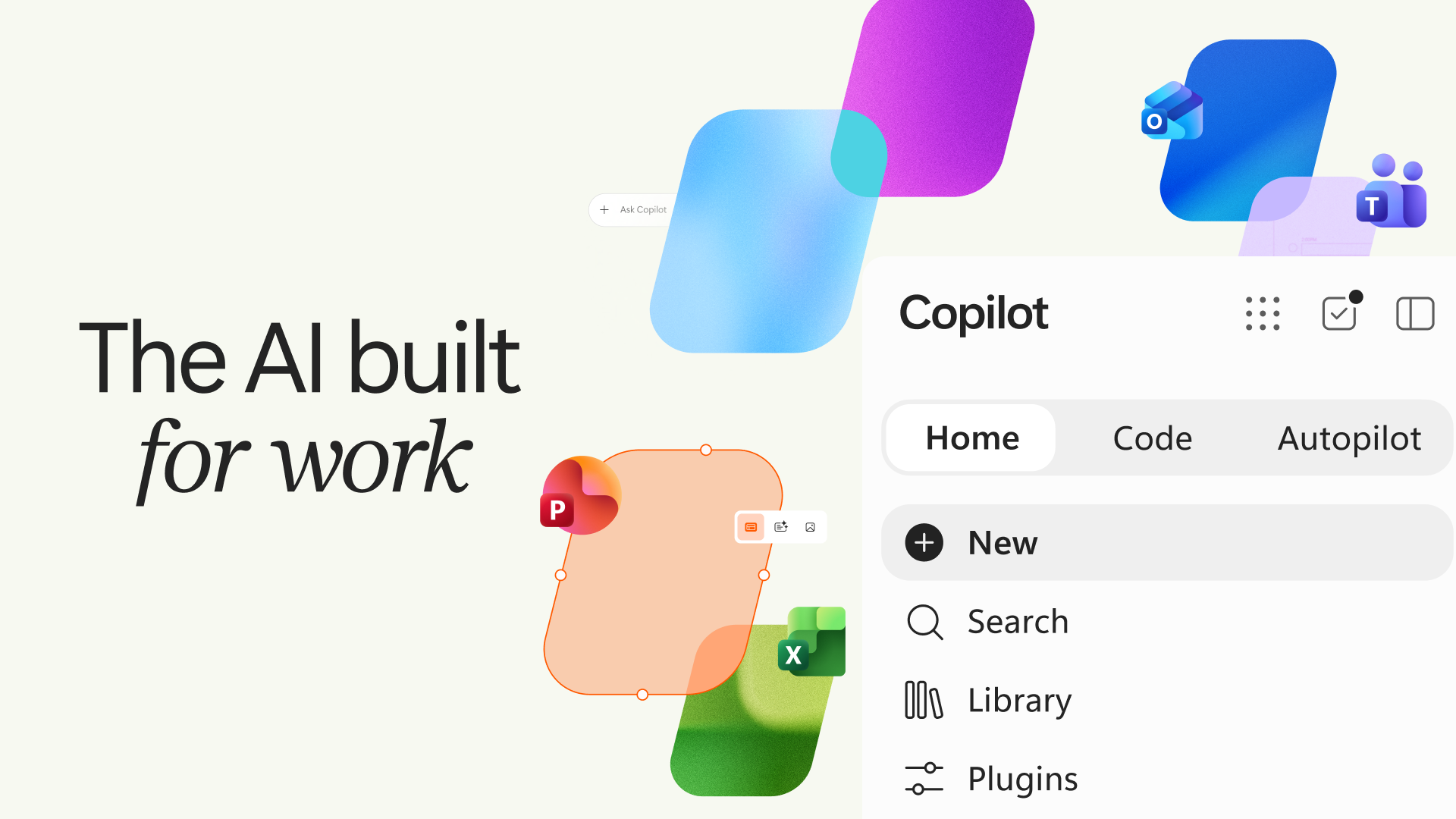
OpenAI is preparing to retire custom GPTs on December 11, 2026, replacing the format with plugins that combine reusable instructions, reference files and connected apps.
The change affects all ChatGPT plans, although migration access and timing may vary by account or workspace. Custom GPTs will continue working until their applicable retirement date, giving creators time to move workflows across and test the replacements.
For affected Enterprise workspaces with an approved deferral, retirement can be pushed back to February 11, 2027.
The shift is more than a rename. While OpenAI is providing a migration route, several parts of an existing GPT will not move automatically, including previous conversations, custom actions and sharing permissions.
What actually moves to a plugin
When migration becomes available, creators will be able to open My GPTs and select “Migrate to plugin.”
The latest published version of the GPT is used for migration, so draft and unpublished changes will not be included. Once moved, the GPT’s instructions become a skill within the plugin, connected apps are added as apps and knowledge files are copied into reference files.
The model selected for the original GPT does not transfer.
OpenAI is also warning creators to test migrated workflows rather than assuming they will behave identically. That includes checking whether the plugin follows the original instructions, draws on the correct reference material and still produces the expected outputs.
After migration, the original GPT remains usable until retirement but becomes read-only.
Custom actions need separate work
GPTs that rely on custom actions will require more attention.
Those integrations are not included in the built-in migration process, meaning any feature that depends on a custom action will stop working in the replacement until another connection is configured.
In some cases, an existing app may cover the same task. More complex integrations could require a custom MCP server and additional technical setup.
Existing GPT conversations will not follow users into the new plugin either. They remain attached to the original GPT until that product is retired.
Sharing is another break in continuity. A migrated personal plugin starts private, and people who previously used a shared or public GPT do not automatically receive access to its replacement.
October deadline for new Enterprise GPTs
OpenAI has also set out a transition timetable for affected Enterprise workspaces.
Creation of new custom GPTs is planned to end on October 26, 2026. Existing, unmigrated GPTs can still be edited after that point, but drafts that need to be migrated should be published before the creation cutoff.
Enterprise creators or workspace admins can carry out migrations where plugins are enabled and the necessary permissions are in place.
The standard retirement date remains December 11, when custom GPTs and their GPT pages are scheduled to become inaccessible.
That gives organizations just over two months to identify the GPTs they rely on, move the workflows they want to keep and check that users can access the replacement plugins before the original versions disappear.