AMD makes $8.2bn AI bet with World Labs acquisition as Fei-Fei Li joins as Chief Scientist
The all-stock acquisition will bring the spatial intelligence startup into AMD, with Fei-Fei Li joining as Executive Vice President and Chief Scientist when the transaction closes
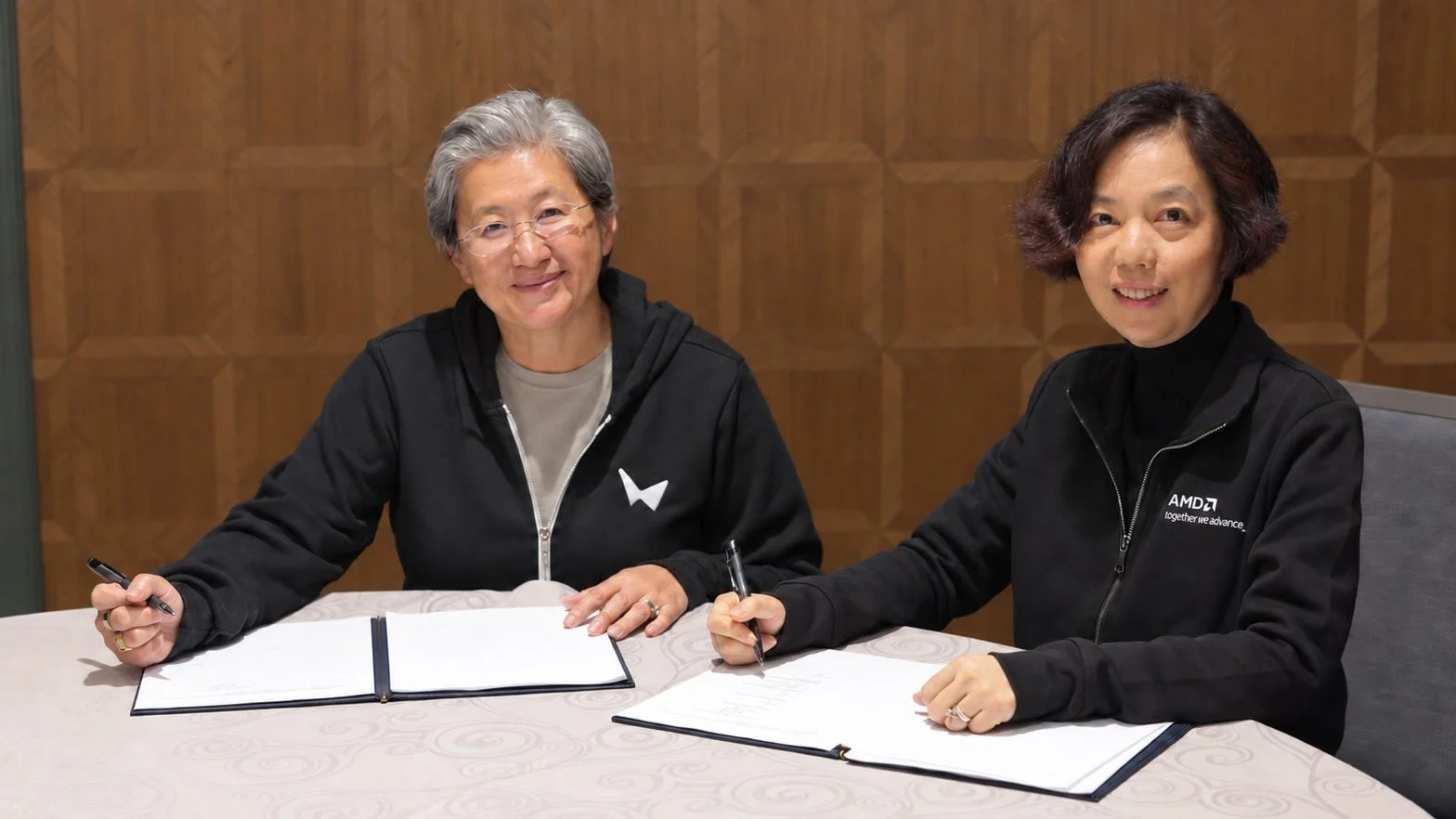
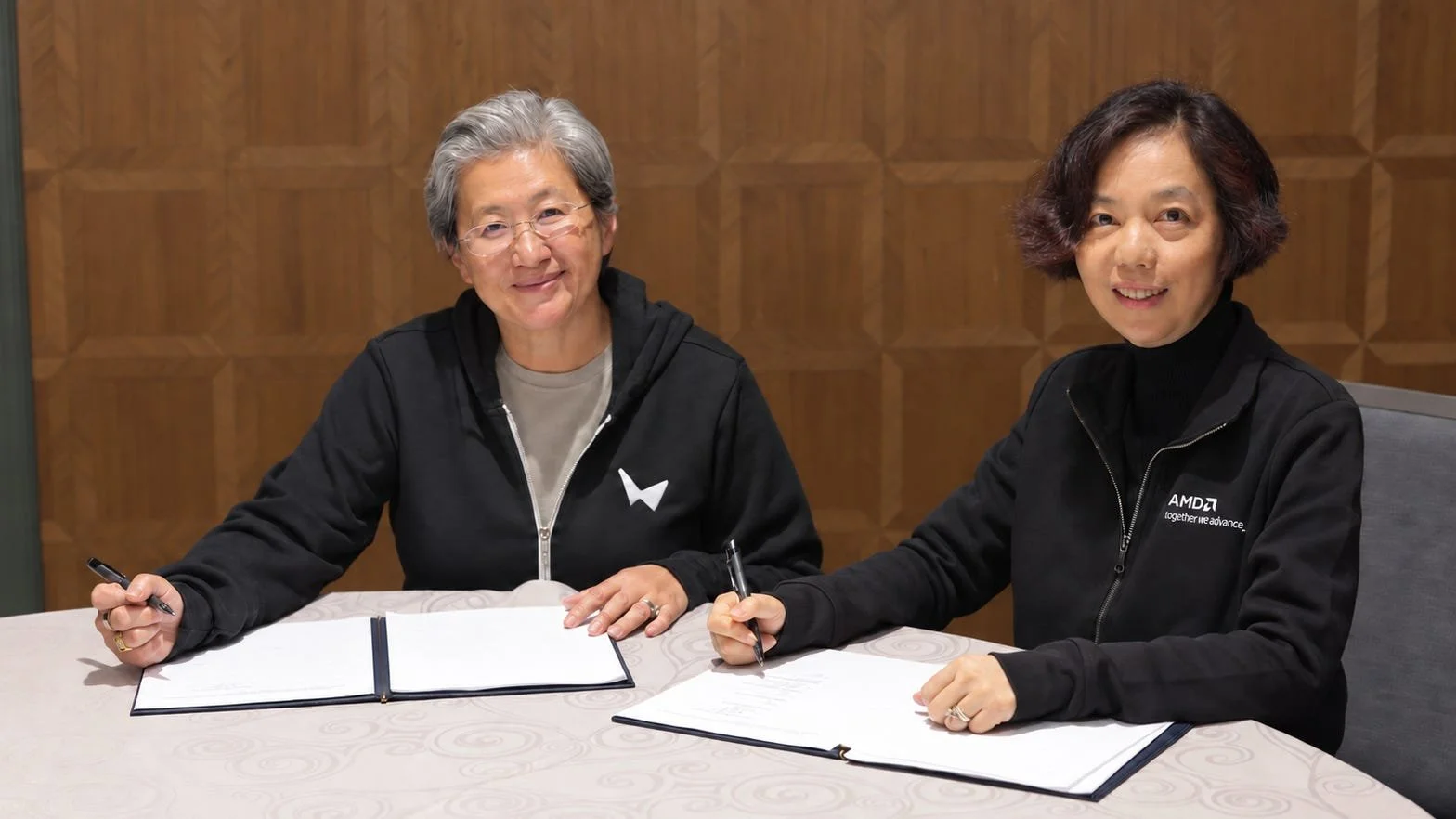
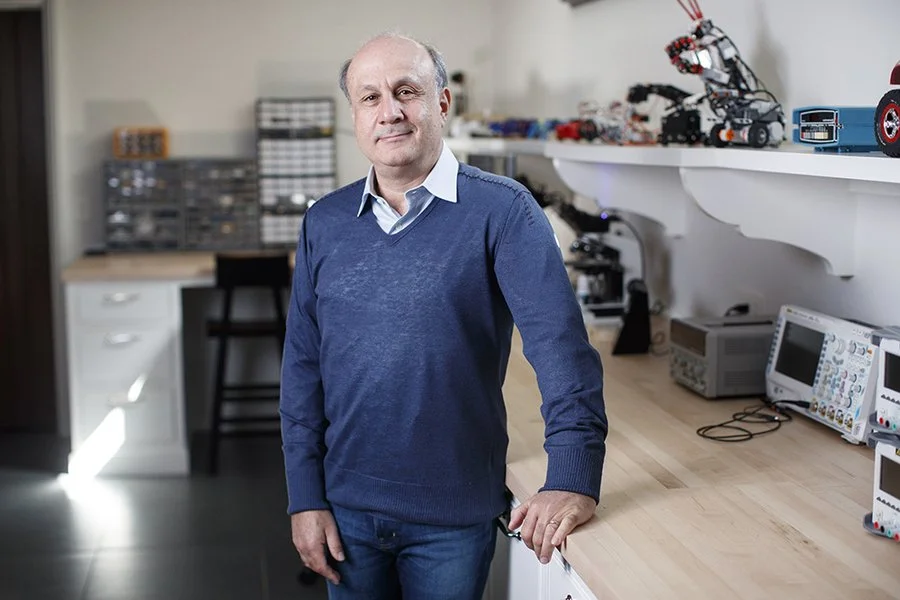
AMD has agreed to acquire World Labs in an all-stock transaction valued at approximately $8.2 billion. Photo credit: Dr. Fei-Fei Li
AMD has agreed to acquire World Labs in an all-stock deal valued at approximately $8.2 billion, bringing one of the AI industry’s prominent spatial intelligence research teams inside the chipmaker.
World Labs co-founder and CEO Dr. Fei-Fei Li will join AMD as Executive Vice President and Chief Scientist, reporting directly to AMD Chair and CEO Dr. Lisa Su. The transaction is expected to close by the end of 2026, subject to regulatory approvals and other customary conditions.
The deal takes AMD further into AI model research at a point when the company says emerging workloads in robotics, simulation, reasoning and physical AI are placing different demands on computing infrastructure.
World Labs, founded in San Francisco in 2024, develops models designed to understand and generate spatial and physical environments rather than focusing primarily on language. Its research spans computer vision, generative AI, 3D world modeling and robotic learning.
For AMD, bringing that expertise in-house is intended to create a tighter link between how new AI models are built and the hardware, software and systems needed to run them.
“Building the compute platforms for the next generation of AI requires a deep understanding of how models are evolving,” says Su. “Fei-Fei and the World Labs team bring exceptional research leadership and model expertise.”
World Labs moves closer to the hardware
The acquisition builds on an existing technical relationship between the two companies.
World Labs began working with AMD last year on model training and inference optimization using AMD GPUs. Li says that collaboration helped convince the teams that bringing together model research and computing infrastructure made sense.
Writing about the deal, she argued that progress in spatial intelligence increasingly depends on closer integration between AI research and hardware.
“Without having a focused hardware effort, AI is hobbled in efficiency. And scale. And for our purposes, remains trapped in the digital world,” Li wrote.
World Labs has been developing foundation models that reason about objects, environments and interactions across space and time.
Its work includes Atlas, an omni model architecture designed to predict new camera views from 2D images, combining generative modeling with multiview geometry. Li says potential applications span design, engineering, science and robotics.
The company has also expanded into robotics simulation following its acquisition of SceniX, while its first product, Marble, uses generative 3D world models to create persistent environments from images, video, text and 3D layouts.
Fei-Fei Li takes Chief Scientist role
Li’s move into AMD gives the company a Chief Scientist with a background spanning academic AI research, industry and startup development.
Her previous work includes ImageNet, computer vision and deep learning research, serving as Chief Scientist for Google Cloud’s AI unit and becoming the founding director of Stanford University’s Human-Centered AI Institute.
She founded World Labs with AI researchers Justin Johnson, Ben Mildenhall and Christoph Lassner. Johnson and Mildenhall will continue working with Li to lead the World Labs team following the acquisition.
“Joining AMD will give our team the resources and engineering depth to accelerate our research and help define the infrastructure needed for the next era of AI,” Li says.
In a separate post reflecting on the deal, she described the move as a way to continue building a frontier research organization while connecting software, models and computing infrastructure more closely.
“Together we’re committed to keep pushing the frontier of AI to solve real problems, and doing so openly with the community and the entire ecosystem,” she wrote.
Her post also places learning among the areas where she expects increasingly capable AI systems to have an impact, alongside drug discovery, creativity and robotics.
AMD targets an end-to-end AI stack
World Labs will continue its AI model research after joining AMD, while giving AMD closer visibility into how future workloads are developing.
The companies say they intend to build across an open AI ecosystem spanning hardware, software, platforms and models.
That makes the acquisition different from simply adding another software product to AMD’s portfolio. The chipmaker is buying the research capability behind emerging model architectures as it develops future computing platforms around them.
World Labs’ focus on spatial and physical intelligence is particularly relevant to areas where AI must operate beyond text, including robotics and simulation, where systems need to interpret environments and anticipate the consequences of actions.
The acquisition remains subject to regulatory approval and other customary closing conditions, with completion expected by the end of 2026.