OpenAI puts societal resilience at center of AI safety argument after G7 discussions
Chris Lehane has argued that teachers, workers, governments, and researchers need direct experience with AI as technical safeguards and public oversight develop.
OpenAI Chief Global Affairs Officer Chris Lehane has argued that societal resilience and broader public experience with AI should form part of the approach to AI safety.
OpenAI Chief Global Affairs Officer Chris Lehane has argued that societal resilience should sit alongside technical safeguards in OpenAI’s approach to AI safety, with people and institutions given opportunities to adapt through direct use of increasingly capable systems.
Lehane set out the position in a personal essay for OpenAI newsletter The Prompt, following discussions at a G7 meeting, and shared the argument in a LinkedIn post. He challenged the framing of AI policy as a choice between moving quickly to secure potential benefits and slowing development to reduce risks.
The proposal covers schools, workplaces, homes, businesses, governments, and research organizations. Lehane argued that wider access within appropriate guardrails would allow people to understand AI’s capabilities and limitations rather than leaving knowledge concentrated among a small number of companies, executives, and technical experts.
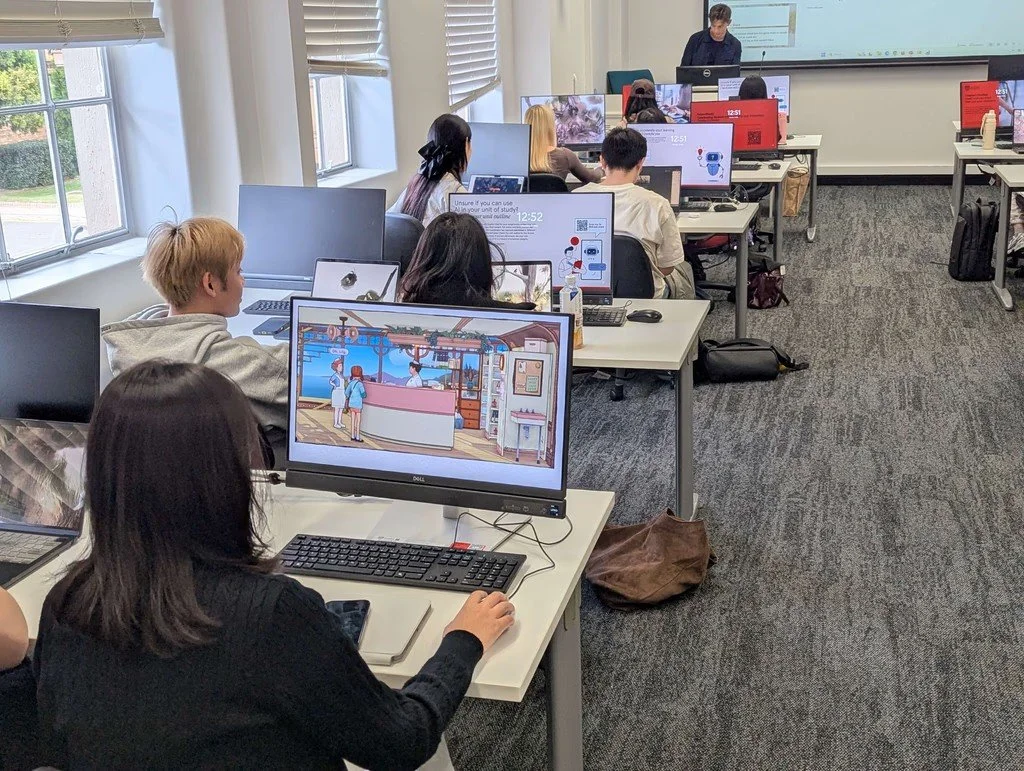
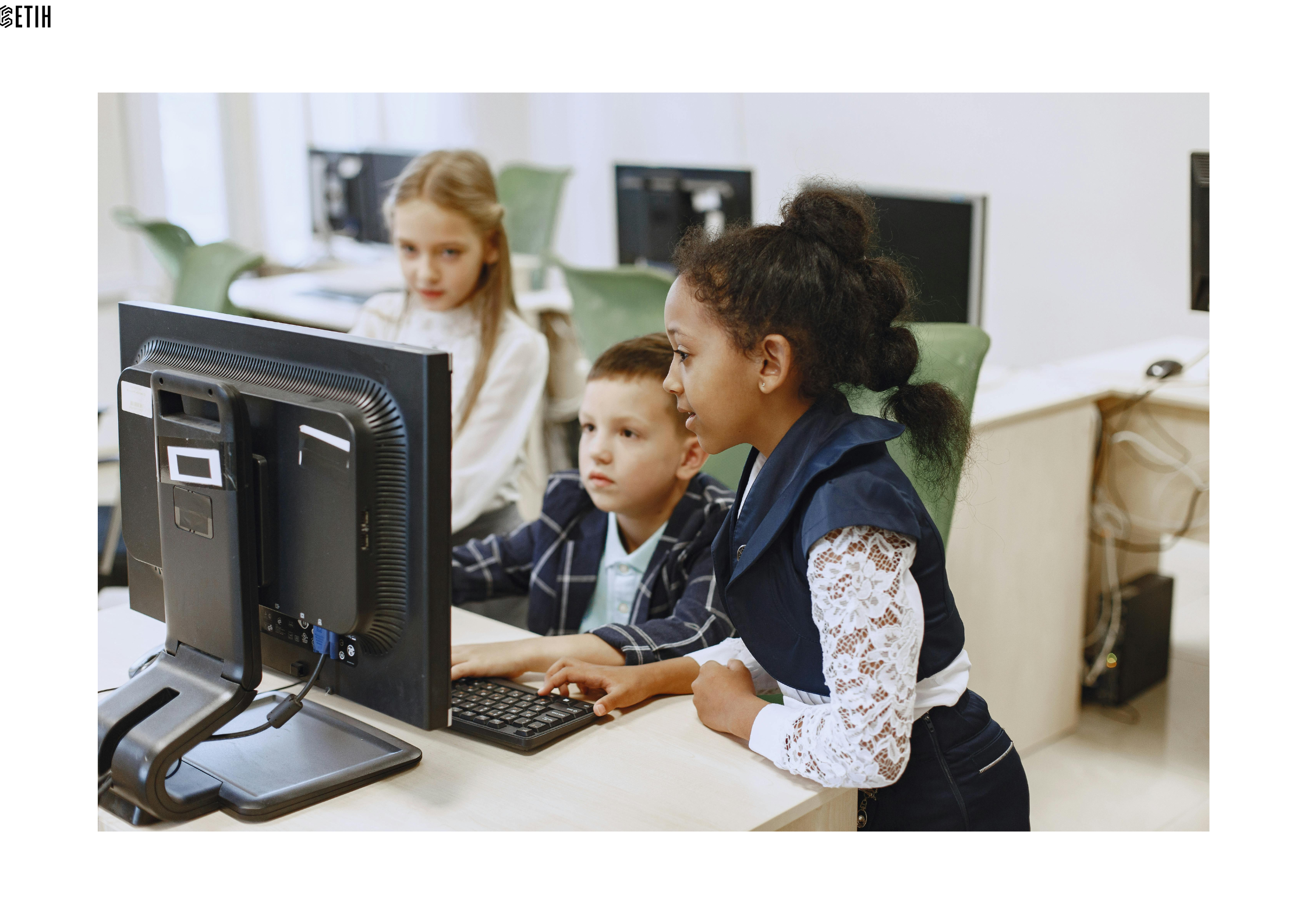
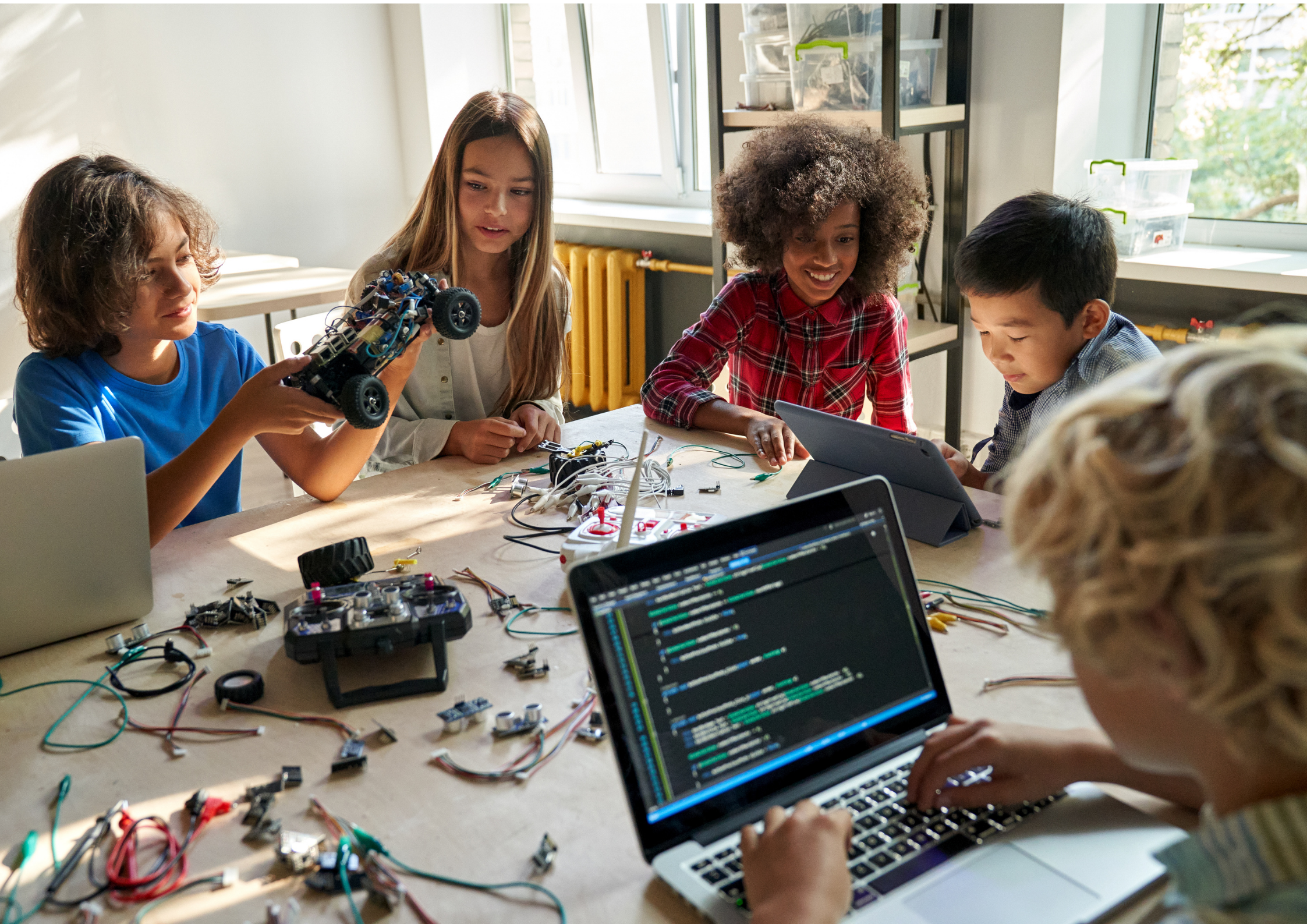
Teachers and students form a specific part of the argument. Lehane said teachers need to assess how students can use AI productively while preserving critical thinking, while workers need to determine which tasks AI can enhance and which decisions continue to require human judgment.
The next step described by Lehane is not a new OpenAI product, education program, access scheme, or regulatory package. He instead called for iterative deployment to continue alongside technical safety work and stronger public frameworks built around institutions, standards, independent evaluation, accountability, and trust.
OpenAI broadens its AI safety framing
Lehane wrote that technical safeguards remain central to OpenAI’s approach: "These measures remain essential. Powerful systems must be rigorously evaluated, deployed responsibly, governed thoughtfully."
However, he argued that evaluations, red-teaming, testing, and risk mitigation would not be enough on their own: "But safety is a societal challenge, not just a technical one. Resilience is how societies navigate profound change: through exposure, trial, learning, and adaptation."
He added: "None of this learning happens in the abstract – it happens through use."
His examples included parents developing norms around healthy AI use, businesses redesigning workflows, governments identifying gaps in existing policy, and researchers uncovering risks and developing mitigations.
The essay also referenced OpenAI Chief Executive Officer Sam Altman’s position that advanced AI should be introduced iteratively. Lehane cited OpenAI’s practice of launching products "early and often" to give "society and the technology time to co-evolve."
That deployment model assumes that users and institutions will identify problems, develop rules, and adjust their behavior while AI systems are already in use. Lehane used the introduction of automobiles as one example, arguing that licensing, speed limits, road design, seat belts, and insurance requirements developed through experience rather than before cars entered everyday life.
Education and workforce learning form part of resilience model
Lehane’s education example centered on teacher and student experience rather than a named OpenAI classroom program.
Lehane wrote: "Teachers can assess how students can use AI productively while preserving critical thinking."
The essay did not announce a teacher training initiative, curriculum, school rollout, or evidence base linked to this proposal.
On workforce adaptation, Lehane added: "Workers can learn which tasks AI enhances and which still require uniquely human judgment."
He later argued that human involvement should remain central as AI use develops: "The future should preserve meaningful human involvement: people exercising judgment, setting goals, applying values, and deciding what’s worth pursuing."
He also argued that predictions of an immediate AI-driven labor market collapse had not materialized in the forms previously forecast. Instead, he pointed to people experimenting with AI tools, redesigning jobs, creating businesses, and finding new uses for the technology. The essay did not include labor market data or cite research supporting that assessment.
Businesses, governments, and researchers were assigned separate roles in the proposed resilience model. Businesses would reconsider processes and workflows, governments would address policy gaps, and researchers would continue investigating emerging risks and possible safeguards.
Lehane calls for public policy around private AI decisions
Lehane argued: "As frontier systems become more capable, every AI lab will make consequential decisions about deployment, safeguards, acceptable uses, and risk tolerance. Those decisions will matter enormously – but they will be private judgments."
He warned: "The question is whether the future of a foundational technology should depend so much on the worldview of any one company."
Lehane said decisions about transformative technologies should be translated into public frameworks through institutions, standards, independent evaluation, accountability, and public trust.
"Public policy, not private policy," he added.
He also used social media as a warning, arguing that governments and institutions struggled to establish rules until a small number of companies had already reshaped the information environments used by democratic societies.
Lehane’s case for broader AI access rests on the argument that firsthand use can help people identify risks, establish norms, correct mistakes, and participate in decisions about governance.
He wrote: "The result may seem counterintuitive: broad access to AI can itself enhance safety."
OpenAI has not attached a rollout date, funding commitment, participation target, or new access mechanism to the resilience proposal. Lehane’s stated next step is public policy work around institutions, standards, independent evaluation, accountability, and trust as frontier AI systems continue to be deployed.