OpenAI finance team tests shift from AI tools to autonomous agents in internal hackathon
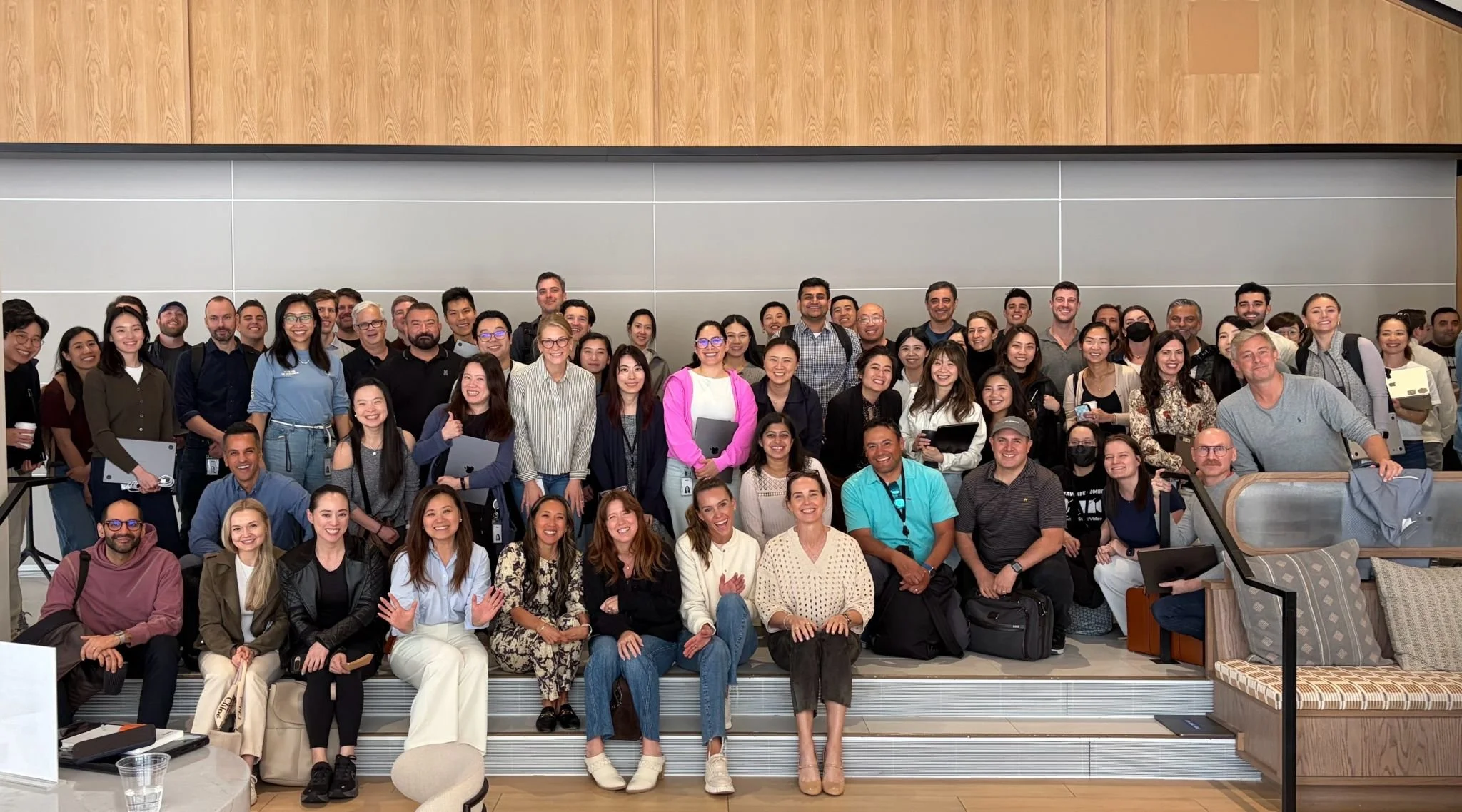
Photo credit: Sarah Friar
OpenAI is testing how AI agents can move beyond support tools into active roles inside business functions, following an internal finance hackathon involving more than 200 employees using Codex to build and deploy workflows directly into daily operations.
In a LinkedIn post, Sarah Friar, Chief Financial Officer at OpenAI, described how teams moved from experimentation to execution within hours, highlighting a shift that could influence how organizations structure work, manage skills, and integrate AI across departments.
Friar said the hackathon focused on real operational use cases rather than theoretical testing, with teams building agent-driven workflows that could be applied immediately.
She wrote: “This wasn’t theoretical. Within hours, teams were deploying agentic workflows directly into their day-to-day work.”
Examples included automating audit processes into structured outputs, analyzing M&A data rooms using diligence agents, and converting contracts and invoices into standardized statements of work.
These applications point to a growing focus on end-to-end task completion, where AI systems are not just supporting decisions but producing deliverables.
Agents move into core workflows
Friar framed the shift as a structural change in how AI is used inside organizations. She wrote: “The shift is this: we’re moving from tools that assist, to agents that execute.”
She added: “From static workflows, to systems that reason, iterate, and deliver outputs end-to-end.”
While earlier enterprise AI deployments focused on productivity gains through assistance, this approach positions AI as part of the workflow itself, with responsibility for outcomes rather than inputs.
The post also points to a change in how teams may be structured as AI adoption matures: “As we build the finance team of the future, agents won’t sit on the side, they’ll sit in the org chart. And every team member will be accountable for managing them, just as they would any other resource.”
This suggests a shift toward hybrid teams where employees are responsible not only for their own output but also for overseeing AI systems.
She also highlighted the pace of change, stating: “The use cases are compounding quickly, and the velocity is only increasing.”
From a finance perspective, Friar positioned this as more than incremental efficiency, writing: “From where I sit as CFO, the unlock here is not incremental productivity, it’s a step change in how work gets done across every function of a business.”
For the EdTech and workforce skills sector, the implications are direct. As AI agents move into execution roles, the focus shifts toward management, oversight, and critical evaluation, rather than task completion alone.
Friar concluded with a broader call to action: “So wherever you are on your AI journey, just start building.”
ETIH Innovation Awards 2026
The ETIH Innovation Awards 2026 are now open and recognize education technology organizations delivering measurable impact across K–12, higher education, and lifelong learning. The awards are open to entries from the UK, the Americas, and internationally, with submissions assessed on evidence of outcomes and real-world application.