Children want robots as classmates, colleagues and even bosses, study finds
An international Hexagon study of 18,000 people finds children are more open than adults to robots as learning partners, workplace colleagues and even bosses
Hexagon’s international study surveyed 9,000 children and 9,000 adults about their attitudes toward AI and robotics
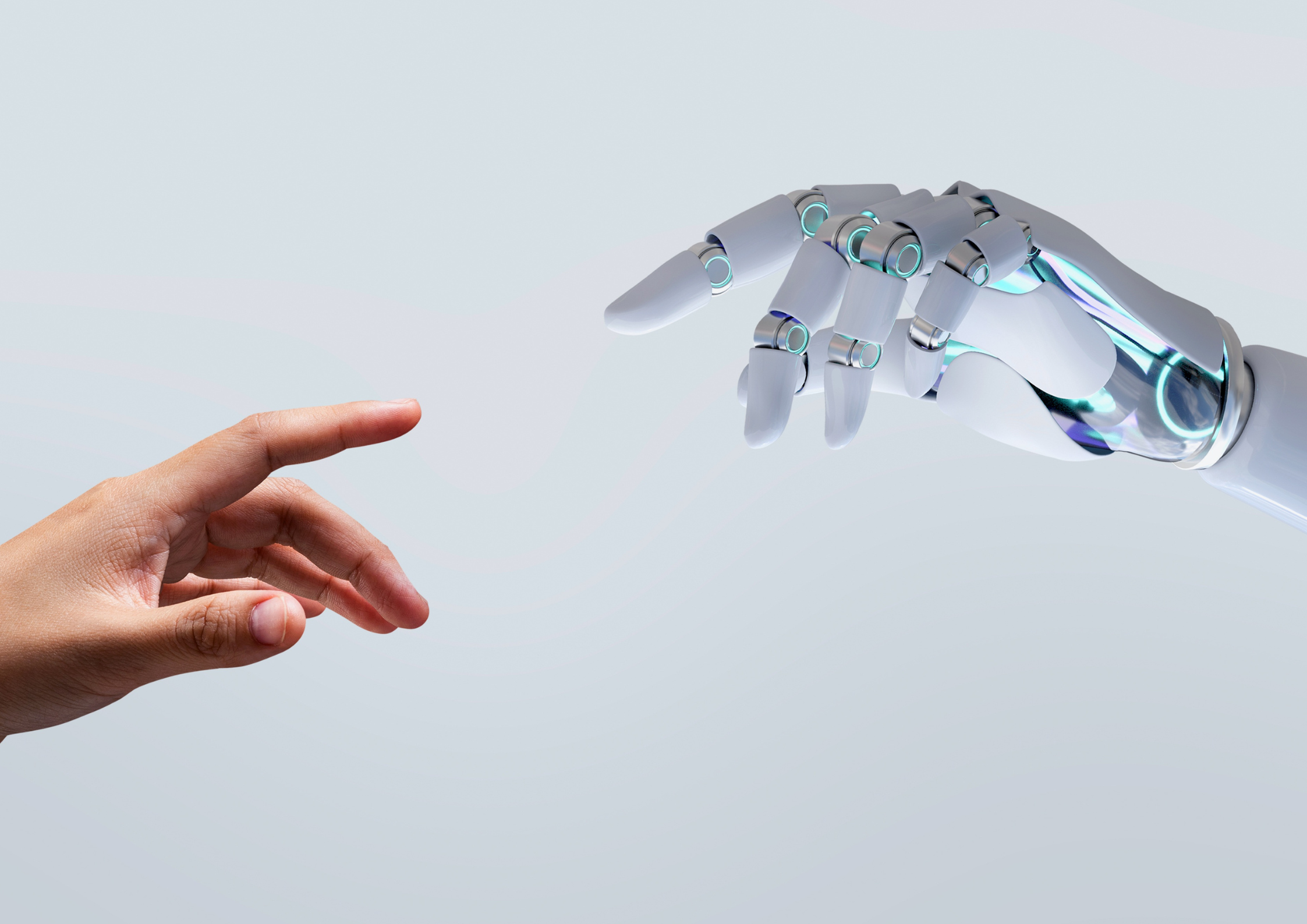
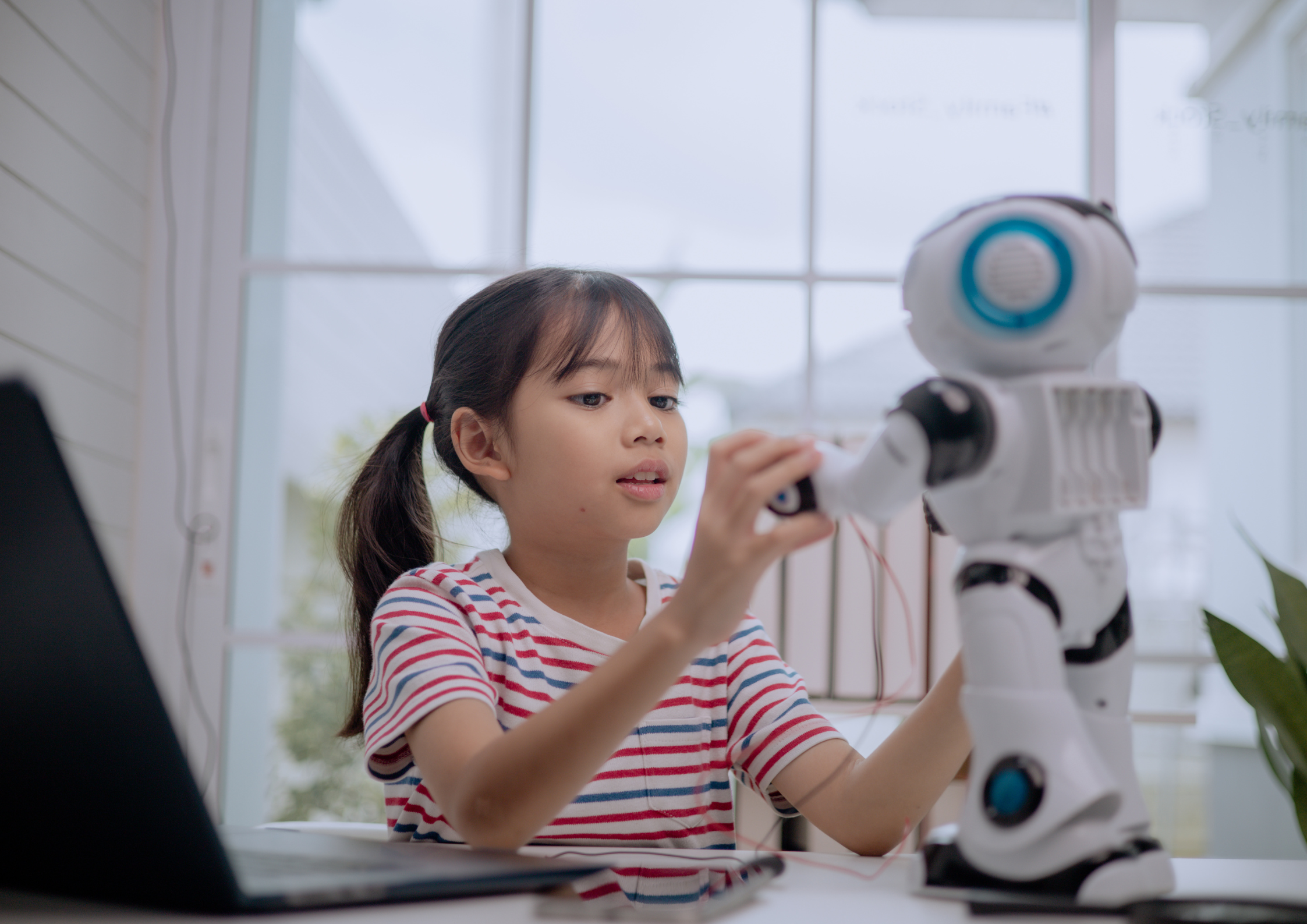
Children are substantially more enthusiastic about robots than adults and are already imagining them as future colleagues and learning partners, according to an international Hexagon study spanning nine countries.
The research surveyed 9,000 adults and 9,000 children aged eight to 18 across the USA, UK, Germany, Switzerland, Japan, South Korea, China, Brazil and India.
Four in five children say they are excited about robots, compared with 59% of adults. The gap extends into expectations for work: 59% of children are excited about working alongside a robot colleague, against 40% of adults.
That divide is particularly sharp in Britain. While 80% of British children express excitement about robots, only 47% of adults do, creating a 33-percentage-point gap, the largest recorded in the study.
By comparison, the difference is nine points in China, where 90% of children and 81% of adults are excited about robots, and 11 points in India, at 89% and 78% respectively.
Children are encountering AI and robots earlier
The findings suggest younger people are not just more positive about robotics, but are encountering intelligent technologies more frequently.
Globally, 85% of children surveyed had used AI during the previous three months, compared with 75% of adults. Some 58% had also encountered a robot firsthand, against 48% of adults.
Children are more receptive to combining the two technologies too. Nearly two-thirds, 63%, see value in accessing AI chatbots through a physical robot, compared with 47% of adults.
British adults show a different pattern of exposure. While 77% are familiar with robots through films, television, books or games, only 30% report real-world encounters. More than half, 52%, express concern about robots, compared with 44% in China and 29% in South Korea.
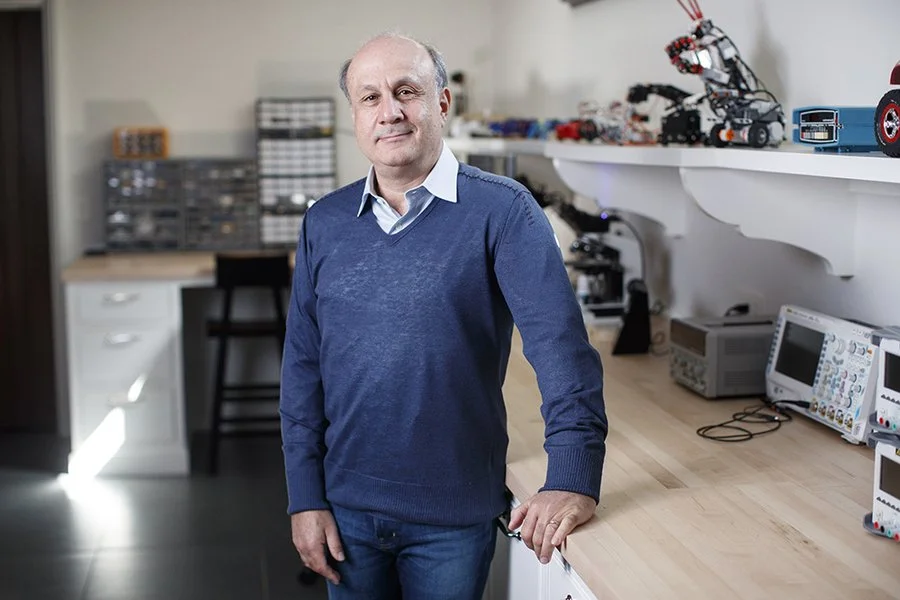
“This isn't about preparing for a world where robots replace people. It's about preparing for one where people work alongside intelligent machines every day,” says Hexagon CTO Burkhard Boeckem.
“The biggest barrier to that future may not be the technology, but whether today's adults are ready for it. Children are already growing up comfortable with AI and increasingly familiar with robotics, and we need to make sure the rest of society isn't left behind.”
Robots imagined as learning partners
When asked how they would use a personal robot assistant, 60% of children said they would want help understanding school lessons, while 48% would use one to develop ideas for lessons and homework.
Adults were more likely to imagine robots performing administrative work, with 53% choosing help with basic tasks such as capturing information or simple research and 38% selecting diary and meeting management.
The workplace data shows a similar shift in expectations. Robots are already broadly accepted as assistants by both groups, at 76% among children and 71% among adults. Acceptance begins to diverge as robots take on greater status.
In Britain, 58% of children say they would be excited to work alongside a robot colleague, compared with 28% of adults. Globally, 20% of children believe robots could be the boss, against 14% of adults.
For Ferdinand Doepel, Deputy Head Academic and Innovation at Wimbledon High School, being comfortable with technology is not the same as understanding it.
“The most surprising finding isn't that children are excited about robots, but that they're already imagining how they'll work alongside them,” he explains.
“Students can prompt a chatbot fluently and still not see its limitations, or what leaning on it does to their own thinking, or what happens to the data they put into it.”
That leaves education with a wider role than teaching students how to operate AI tools.
“Education has an important role to play in equipping young people with the skills to navigate AI, and increasingly robotics, responsibly,” Doepel adds. “To do this successfully, collaboration amongst educators, policy makers, and industry experts is essential.”
Study spans 18,000 participants
The Robot Generation study was conducted by Vitreous World on behalf of Hexagon between October and November 2025.
Its 18,000 participants were split evenly between adults and children aged eight to 18 across the nine markets.
For the purposes of the research, a robot was defined as a machine capable of carrying out tasks independently or with human guidance. This included systems that may be pre-programmed or act independently, rather than only human-shaped robots.
Boeckem argues that preparing for greater use of robotics will require more than technical skills alone.
“We need to give people practical experience with robotics while building the critical thinking, creativity, and confidence so that people of all ages can use these technologies responsibly,” he concludes.