NASA opens $500,000 ORBIT Challenge for US college students using agency technology
University and community college teams can develop commercial uses for NASA intellectual property or design technologies for future missions, with finalists receiving $15,000 and access to an accelerator
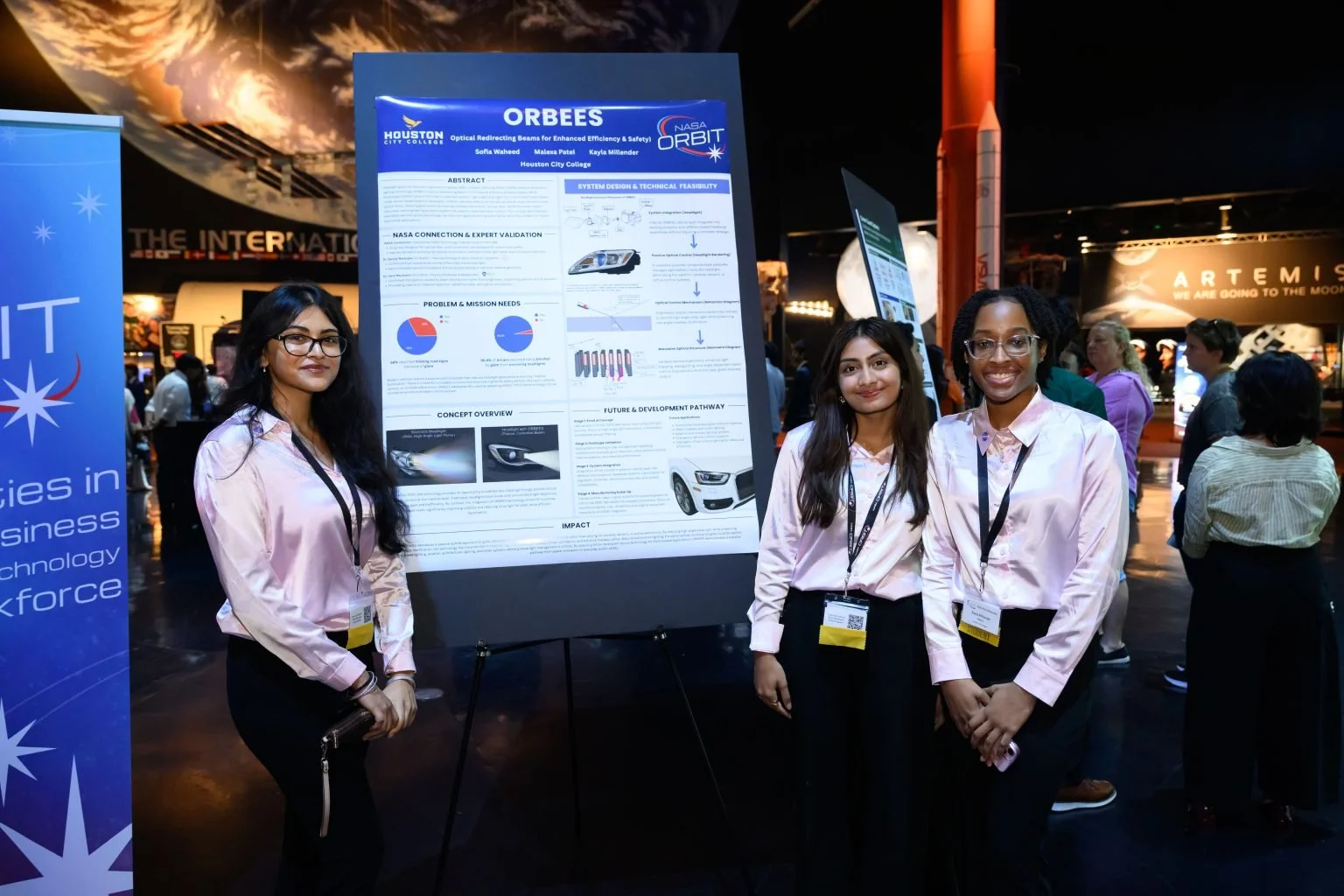
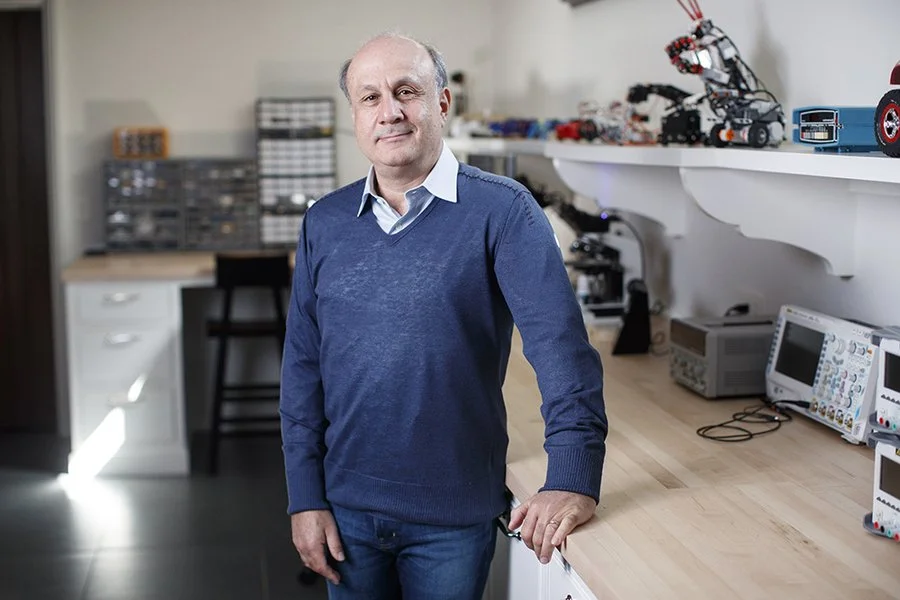
NASA’s ORBIT Challenge offers student teams up to $500,000 in total prizes across Earth and space technology pathways Photo credit: NASA
NASA has opened applications for its 2026 ORBIT Challenge, offering up to $500,000 in prizes for US college students developing new uses for NASA technology or tackling technical problems linked to future space missions.
The Opportunities in Research, Business, Innovation, and Technology for the Workforce Challenge is open to undergraduate and graduate student teams and combines technical development with entrepreneurship, commercialization and workforce preparation.
Students can enter one of two pathways. ORBIT Earth asks teams to take NASA-owned patents or software and develop new or improved products and services for use on Earth. ORBIT Space focuses on concepts addressing current or future NASA mission needs.
Teams can also compete for an optional Integration Bonus by showing how a project can work across both Earth and space applications.
Registration closes November 16, 2026, with Phase 1 submissions due December 14.
Up to 20 finalist teams can receive $15,000
The competition runs across four phases, beginning with an initial concept stage before moving into design, development and an in-person final showcase.
Phase 1 is a non-competitive checkpoint. Teams that complete the requirements by the deadline move into Phase 2, where they develop their ideas through research, feasibility work, early models and project planning.
NASA can then select up to 10 finalists in each pathway. Each finalist team receives $15,000 before progressing to the live demonstration stage.
At the final showcase, teams compete for first, second and third-place awards of $30,000, $25,000 and $15,000 respectively in each pathway.
Additional awards include People’s Choice, Faculty Advisors’ Choice and Next Steps prizes, alongside a $10,000 Integration Bonus in each pathway.
Total prize funding across the competition is capped at $500,000.
The culminating event is planned for summer 2027 at Space Center Houston at NASA Johnson Space Center in Texas.
Eligibility is narrower than the headline offer suggests
NASA is promoting ORBIT to university and community college students across the US, but the official rules place specific requirements on which institutions can lead a team.
Each team must have a Lead Institution that is an eligible Historically Black College or University, Tribal College or University, or another Institution of Higher Education listed as eligible on the US Department of Education’s FY 2026 Eligibility Matrix.
At least 60% of the student team must be enrolled at that Lead Institution. The remaining members can come from other accredited US colleges and universities, provided they meet the wider eligibility requirements.
Teams can include no more than six students and must have at least one faculty advisor employed by the Lead Institution.
Participants must be aged 18 or over and enrolled full-time or part-time at an accredited US-based college or university. Eligible foreign students can participate if they meet the competition’s residency and enrollment rules, although NASA notes that security requirements may restrict access to onsite events at NASA centers.
That makes ORBIT a national student competition, but not one where any college team can enter independently without an eligible lead institution.
NASA technology becomes the starting point
The two pathways ask students to work from very different starting points.
ORBIT Earth teams must select technology from NASA’s patent portfolio or software catalog and identify a terrestrial application with a pathway to market or public benefit.
ORBIT Space teams instead work from NASA mission priorities and strategic technology gaps, building concepts that are technically feasible and relevant to future exploration.
Physical prototypes are not compulsory. Teams can use digital twins, simulations, CAD designs, technical schematics, system diagrams, storyboards or other formats to demonstrate how a proposed solution would work.
By Phase 2, entrants are expected to go further. Earth teams must carry out customer discovery and market research, while Space teams develop technical validation and planning around mission use.
The challenge also allows AI tools, including systems such as ChatGPT and Copilot, to be used in project development and submissions. Teams must disclose where AI was used and explain its role.
Finalists then move into NASA ORBIT’s accelerator, which combines technical development, commercialization support, project management, pitching and career development. Participants will also receive information about potential NASA internships and credentialing opportunities.
Registration for NASA ORBIT closes November 16, with initial submissions due by 3pm Eastern on December 14, 2026.