Amazon expands AI education program to reach nearly 500,000 U.S. students
Amazon has expanded its education support tied to the White House Presidential AI Challenge, increasing funding and widening participation as demand from school districts outpaced initial plans.
Amazon has expanded a U.S. AI education initiative supporting nearly 500,000 students after interest from school districts exceeded the original scope of a pilot program.
The company increased its investment to $800,000 and is now working with 18 education partners across seven regions, reflecting growing demand for practical AI learning tools in K–12 settings.
Expansion driven by district demand
The initiative was launched to help schools participate in the White House Presidential AI Challenge, a national effort to expand access to AI education. Amazon initially planned to support a small group of districts already positioned to adopt AI learning. That approach shifted after strong early uptake from across the country.
In response, Amazon more than doubled its original funding commitment, expanding the program to include large public school districts, charter networks, individual schools, and a state-level education service center. The company says the expansion demonstrates how quickly AI education has moved from pilot-stage interest to broader district-level planning.
The program is delivered through Amazon Future Engineer and builds on Amazon’s wider skills strategy, including AWS cloud computing training programs and its Future Ready 2030 goal to help prepare 50 million people globally for the future of work through a $2.5 billion investment.
Custom tools and classroom integration
Through a partnership with education nonprofit PlayLab, participating districts receive access to custom AI tools for students and teachers, alongside hands-on training. The tools are designed to support classroom learning rather than operate as standalone products, with districts encouraged to adapt implementation based on local priorities and readiness.
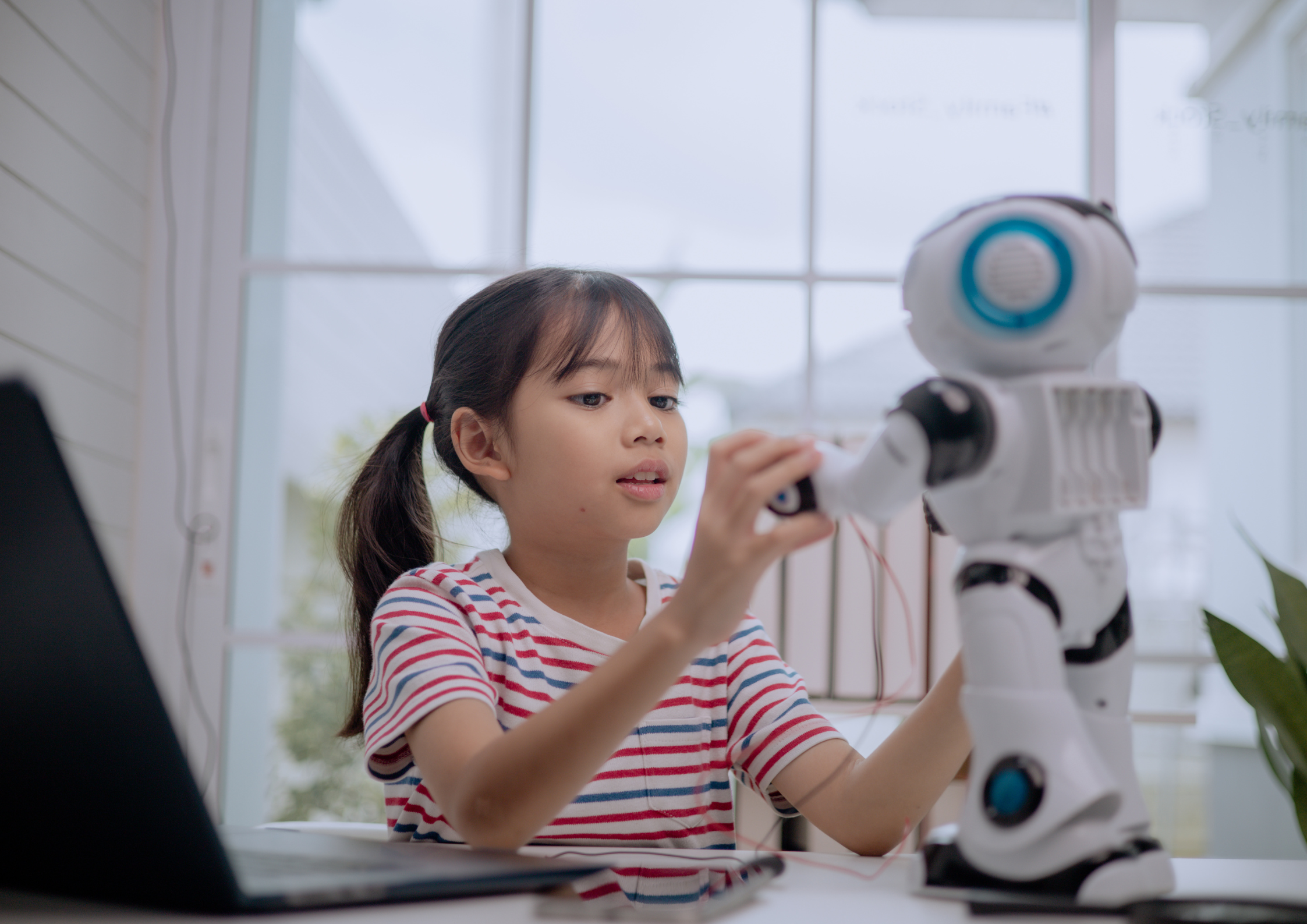
Educators use the tools to support lesson design and classroom activities, while students work on AI-powered solutions tied to real-world challenges in their communities.
Bettina Stix, global director of community impact at Amazon, says, “The strong response from school districts showed us how many educators are ready to bring AI into the classroom to help students build skills for the future. By expanding this program, we're helping nearly half a million students access AI education while supporting teachers as they integrate these tools into daily learning.”
PlayLab’s head of strategic partnerships, Hilah Barbot, adds, “Together with Amazon, we’re meeting districts where they are. It gives educators and students the space to experiment with AI in meaningful ways, building skills that are relevant today while preparing for what’s next.”
District participation and national commitments
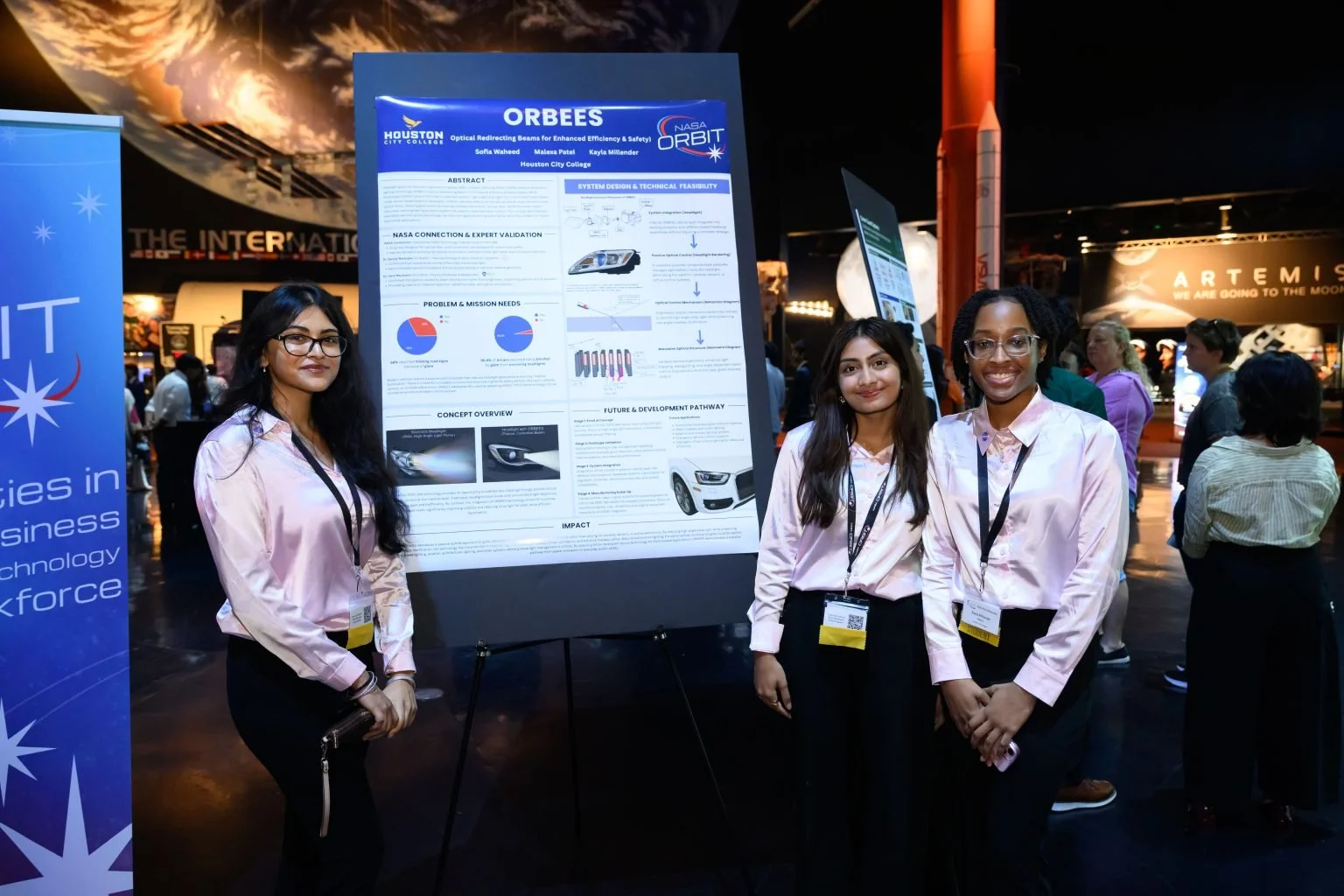
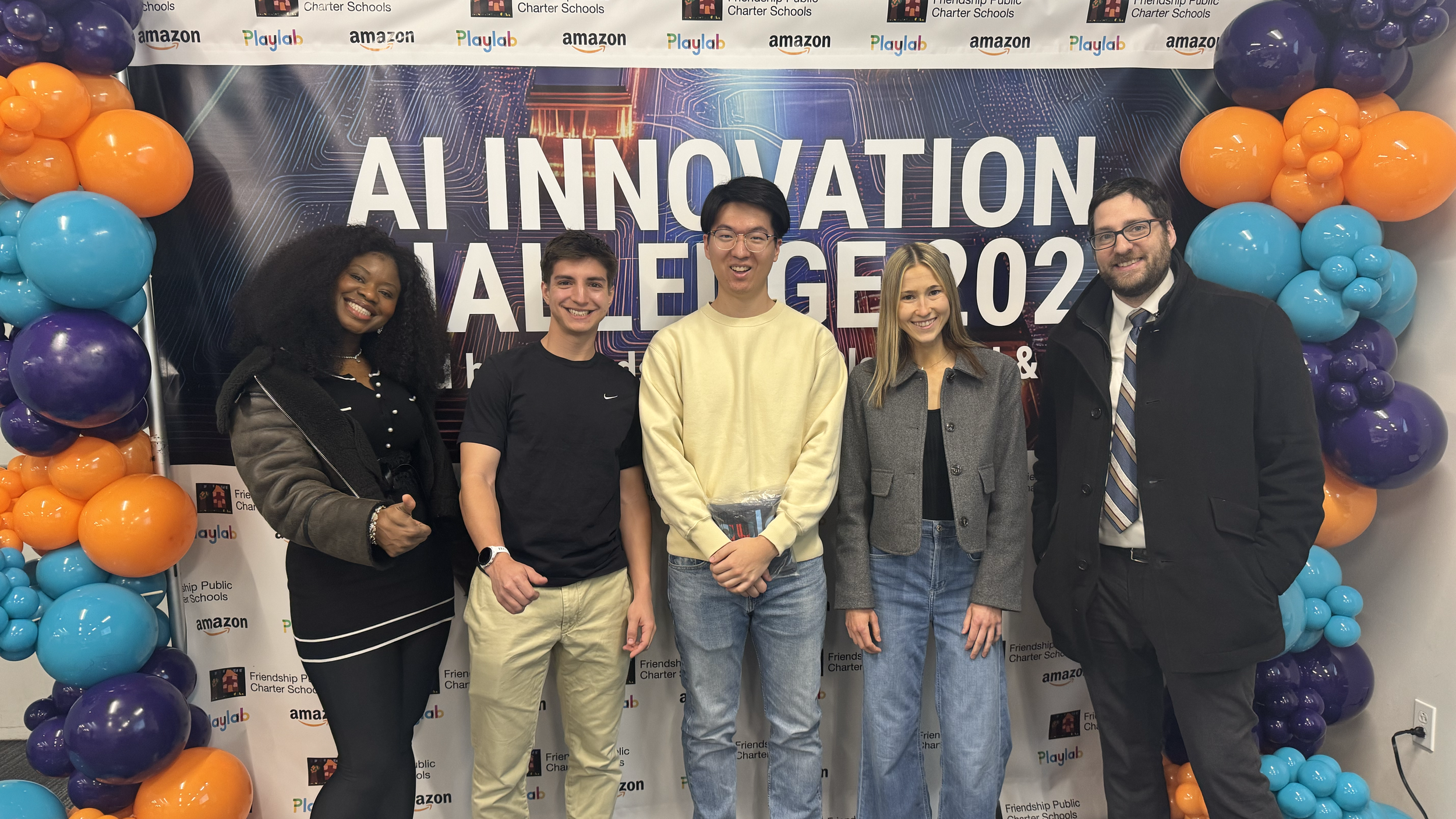
Participation varies by region and district. In Fairfax County Public Schools, the program is being scaled to reach all high school students. In Washington, DC, Amazon and PlayLab hosted a two-day workshop with students from Friendship Charter Schools, where participants built and tested AI-powered tools addressing local challenges. Other partners are focusing on professional development for educators or district-wide AI adoption strategies.
The expanded program also contributes to Amazon’s broader commitment under the White House’s Pledge to America’s Youth. Through that pledge, Amazon plans to support AI skills training for four million U.S. learners and enable AI curricula for 10,000 educators by 2028, including up to $30 million in AWS promotional credits and $1.5 million in student prizes linked to the Presidential AI Challenge.
ETIH Innovation Awards 2026

Entries are now open for the ETIH Innovation Awards 2026, recognizing education technology companies and programs working across AI, workforce development, and digital learning. The awards are open to organizations in the UK, the Americas, and internationally, with entries assessed on evidence of impact across K–12, higher education, and lifelong learning.