University College London to host event examining university roles in an AI-driven workforce
UCL Grand Challenges took to LinkedIn to announce a January event exploring how higher education should evolve as AI reshapes employment, skills, and expectations.
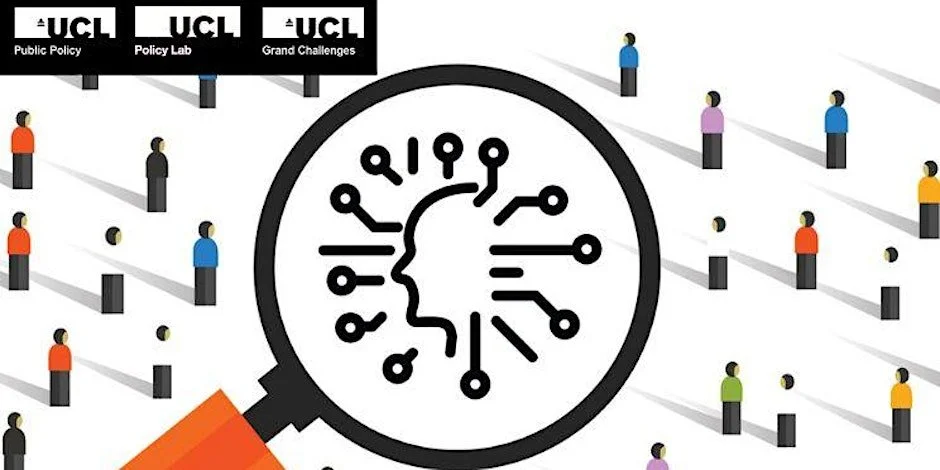
UCL Grand Challenges, part of University College London’s cross-disciplinary research and policy initiative, took to LinkedIn to outline details of an upcoming event focused on the intersection of artificial intelligence, higher education, and workforce change.
The session, co-hosted with UCL Public Policy and the UCL Policy Lab, will take place on January 27 at UCL Laws’ Denys Holland Lecture Theatre.
The announcement frames the central question driving the event: How should higher education evolve to prepare students not just for employment, but for meaningful lives in an AI-enabled world? UCL notes that generative AI is already altering recruitment processes, job design, and workplace expectations, creating pressure on universities to adjust how students are taught and supported.
Panel will examine workforce shifts and university responsibilities
According to UCL the evening will bring together university organizations, regulators, and employers to discuss how AI is changing professional roles and which skills students will need to navigate an AI-driven economy. Topics include literacy in AI-mediated environments, critical thinking, adaptability, and the role of universities in supporting social mobility during technological disruption.
The event will open with remarks from Professor Geraint Rees, UCL Vice-Provost for Research, Innovation and Global Engagement. The panel will be chaired by Professor Allison Littlejohn, UCL Pro-Vice-Provost for Data-Empowered Societies.
Speakers include Professor Lauren Andres, UCL Pro-Vice-Provost for Inequalities; Professor Parama Chaudhury, UCL Pro-Vice-Provost for Education (Student Academic Experience); Andy Grant, Director for Supercomputing and AI at NVIDIA; and Vivienne Stern, Chief Executive of Universities UK.
UCL states that the session will be interactive, with live audience participation through Slido for questions and polls. The agenda includes a panel discussion, Q&A session, and networking period. While the structure mirrors many academic policy events, the lineup highlights the growing need for universities to address operational questions about integrating AI into teaching, assessment, and student support.
The event emphasizes AI’s impact not only on jobs, but on how institutions define their purpose. The organizers note that universities must understand “what skills, literacies, and mindsets do students need to thrive in an AI-driven economy” and consider how higher education can support social mobility amid technological disruption.
The ETIH Innovation Awards 2026

The EdTech Innovation Hub Awards celebrate excellence in global education technology, with a particular focus on workforce development, AI integration, and innovative learning solutions across all stages of education.
Now open for entries, the ETIH Innovation Awards 2026 recognize the companies, platforms, and individuals driving transformation in the sector, from AI-driven assessment tools and personalized learning systems, to upskilling solutions and digital platforms that connect learners with real-world outcomes.
Submissions are open to organizations across the UK, the Americas, and internationally. Entries should highlight measurable impact, whether in K–12 classrooms, higher education institutions, or lifelong learning settings.