OpenAI expands education strategy with new certification courses for students and teachers
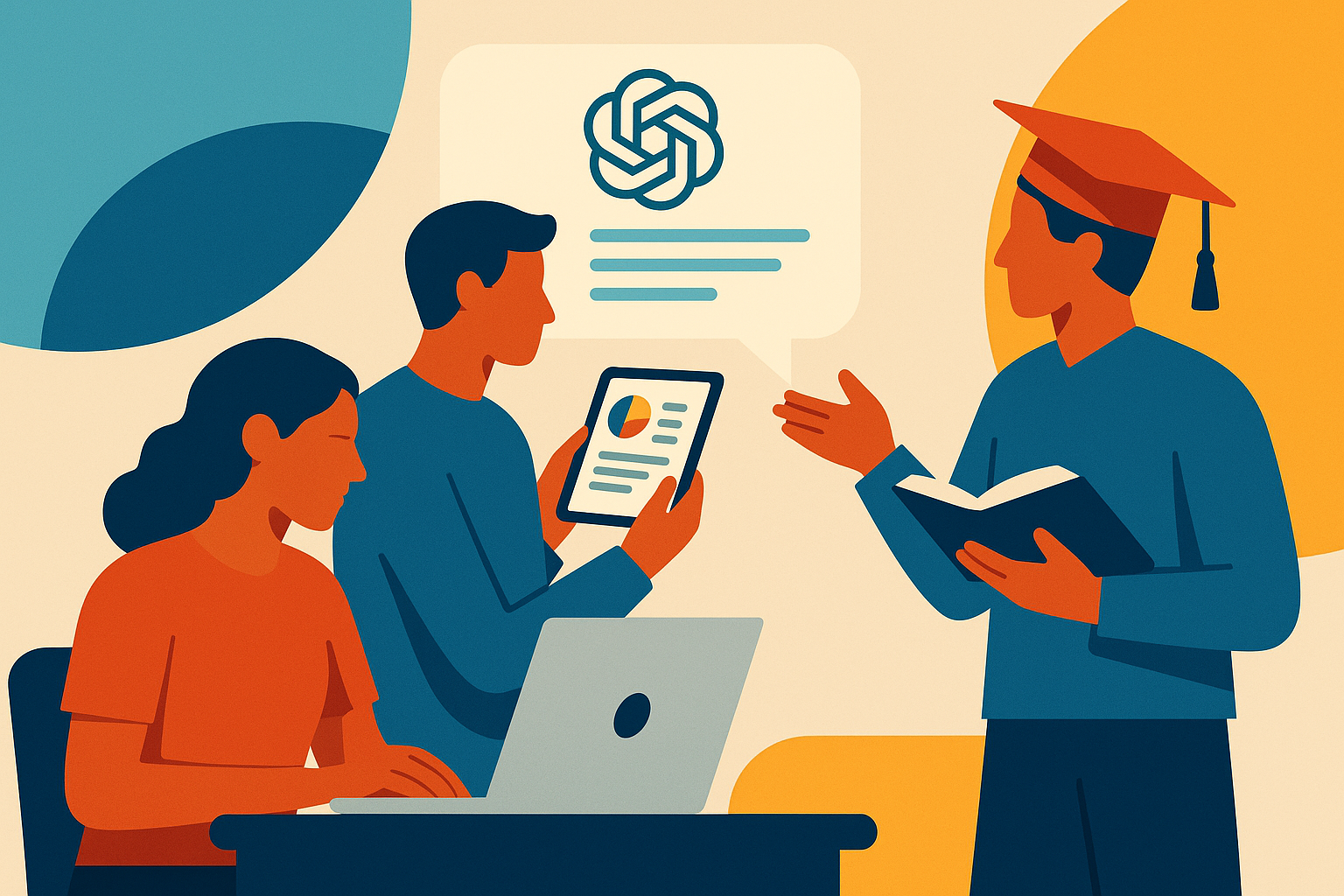
OpenAI leaders Kevin Mills, Head of Education and Government GTM, and Leah Belsky, Education at OpenAI, took to LinkedIn to outline the company’s first set of certifications and a new approach to delivering practical AI learning directly inside ChatGPT.
OpenAI develops AI systems and tools such as ChatGPT, ChatGPT for Teachers, and enterprise-grade learning products, and the latest announcement outlines a major shift toward formal credentialing and structured in-product training.
Both Mills and Belsky framed the announcement around economic opportunity and workforce readiness. Mills wrote that “AI will change jobs. Our challenge is to enable students to learn AI at the pace work evolves & signal AI skills to employers.” Belsky echoed this direction, adding that “AI will unlock more opportunities for more people than any technology in history.”
OpenAI launches its first certifications across higher education and K–12
According to the LinkedIn posts, OpenAI is launching two certification pathways: ChatGPT Foundations, which targets college students and adult learners, and ChatGPT Foundations for Teachers, designed for K–12 educators. Mills stated that “Today we’re launching 2 new certifications & a glimpse of the future in-product certification experience,” positioning these releases as the next step in OpenAI’s wider education plan.
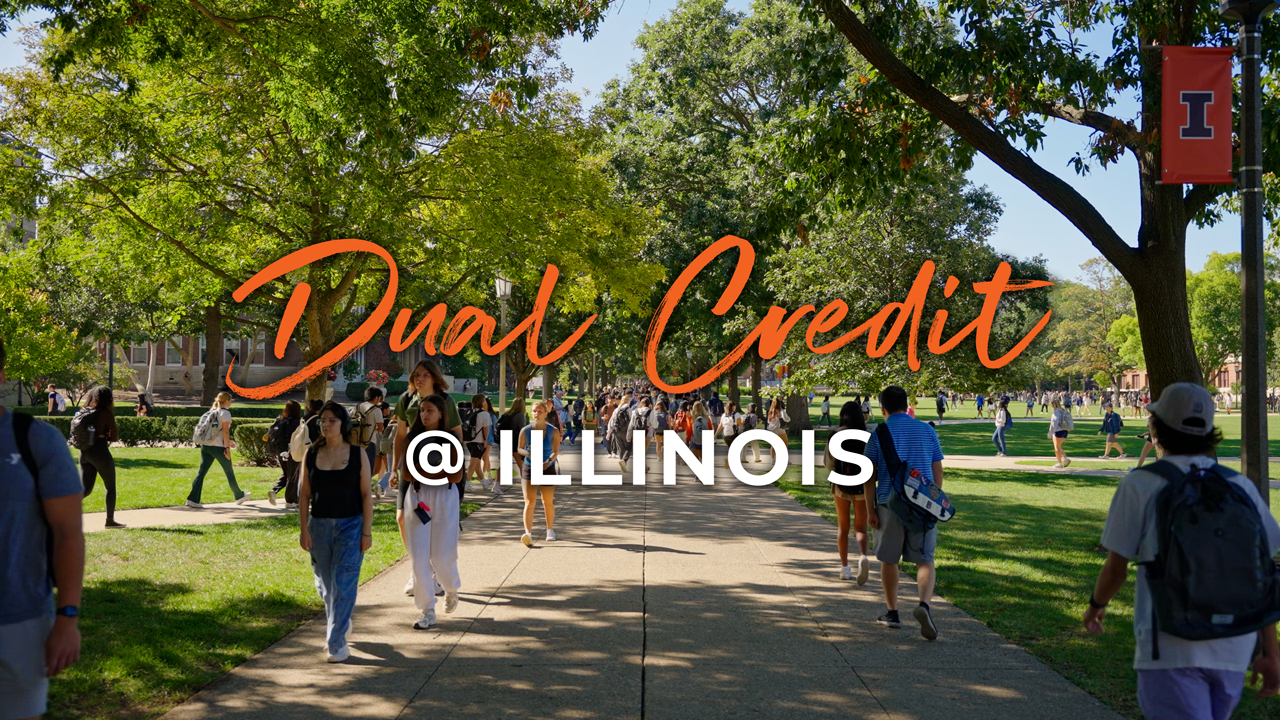
For college students, OpenAI is piloting in-Chat learning with Arizona State University and the California State University system. Mills explained that students will access “the in-Chat Foundations course which centers on applied practice & building job-ready AI skills.” The company aims to test how personalised, task-based learning inside ChatGPT can support students preparing for a workforce increasingly shaped by AI.
For teachers, Mills noted that “ChatGPT Foundations for Teachers is now public and open for enrollment. It’s a free course introducing how to apply ChatGPT to core tasks.” The course is currently hosted on Coursera but will later move into ChatGPT to deliver the same in-product learning experience. Belsky wrote that this work “builds on our ChatGPT for Teachers announcement, and it’s just the beginning,” referencing previous commitments to provide free AI tools for educators.
Broader strategy across employers, universities, and public-sector partners
OpenAI’s accompanying blog expands significantly on the scope of the certifications. The company describes AI Foundations as a hands-on course that helps workers learn “core, practical AI skills that apply across roles and industries.” It represents the first time OpenAI has placed a full learning journey directly inside ChatGPT, allowing learners to practise tasks, receive feedback, and complete structured assessments within a single environment.
The pilot will run with large employers and partners including Walmart, John Deere, Lowe’s, Boston Consulting Group, Accenture, Upwork, Elevance Health, and multiple public-sector organisations. Learners who complete the program receive a badge demonstrating job-ready AI skills. These credentials contribute toward a full OpenAI Certification requiring additional coursework and a practical project.
OpenAI also outlines a pipeline for teacher development. The Foundations for Teachers course uses real classroom and administrative scenarios to help educators build confidence with AI. Belsky notes that three in five teachers already use AI tools, and OpenAI aims to make training more accessible while aligning future courses with ChatGPT for Teachers. The company’s partnership with the American Federation of Teachers to provide AI training for 400,000 educators forms part of the broader ecosystem around these certifications.
OpenAI states that these initiatives “lay the foundation for our upcoming OpenAI Jobs Platform,” with new collaborations such as its partnership with Upwork intended to help connect certified learners with employers seeking AI skills.
OpenAI positions certifications as part of a long-term workforce plan
The blog emphasises that AI’s economic impact depends on workers having practical skills and employers being able to identify them. Belsky writes that “AI is a powerful productivity tool that can help people do more, learn faster, and unlock new kinds of work. But those gains only materialize when people have the skills to use the technology and when employers can find workers who know how to apply it.”
OpenAI’s goal is to certify ten million Americans by 2030 through a combination of ChatGPT-based learning, employer partnerships, and formal credentialing. The certifications, pilots, and teacher-training programs represent the first stage of this multi-year plan.
Ending her LinkedIn announcement, Leah Belsky says: “Together, these two programs connect learning, certification, and real economic opportunity in one clear journey, laying the foundation for our upcoming OpenAI Jobs Platform.”
The ETIH Innovation Awards 2026

The EdTech Innovation Hub Awards celebrate excellence in global education technology, with a particular focus on workforce development, AI integration, and innovative learning solutions across all stages of education.
Now open for entries, the ETIH Innovation Awards 2026 recognize the companies, platforms, and individuals driving transformation in the sector, from AI-driven assessment tools and personalized learning systems, to upskilling solutions and digital platforms that connect learners with real-world outcomes.
Submissions are open to organizations across the UK, the Americas, and internationally. Entries should highlight measurable impact, whether in K–12 classrooms, higher education institutions, or lifelong learning settings.