OpenAI expands ChatGPT for Teachers to 55 more U.S. school systems
The new cohort covers 20 states and will give nearly 140,000 additional educators and staff free access, training and district-level implementation support

OpenAI is extending ChatGPT for Teachers to 55 additional U.S. school systems across 20 states
OpenAI is expanding ChatGPT for Teachers through partnerships with 55 additional U.S. school systems, bringing nearly 140,000 more educators and staff into its managed K-12 workspace.
The new systems are part of a group of 103 partner organizations, rather than an addition to more than 100 existing partners, OpenAI clarified during an on-the-record call. Across 30 states, the program now provides free access and training to more than 340,000 educators and staff.
ChatGPT for Teachers launched in 2025 with nearly 150,000 teachers and staff. The latest cohort includes one in five of the 20 largest public school districts in the U.S., alongside Baltimore City, Northside ISD in San Antonio, Sarasota County and Virginia Beach.
OpenAI said the participating school systems serve more than two million students, but ChatGPT for Teachers does not provide accounts to those students.
“We are not opening any student accounts or asking schools to figure this out on their own,” Leah Belsky, Vice President of Education at OpenAI, said during the call.
District controls and a shared privacy agreement
ChatGPT for Teachers is a managed workspace for verified U.S. K-12 educators, school leaders and staff. OpenAI says information from education workspaces is not used to train its models, while districts can configure access, monitor activity and use role-based controls to meet their own policies and compliance requirements.
Administrators can provide different tools and access levels to particular groups. Districts also control which external systems are connected to the workspace, including any integrations with Google or Microsoft products.
Belsky said ChatGPT for Teachers is regularly updated so users can access OpenAI’s latest models as they become available.
OpenAI is also introducing a 16-state Data Privacy Agreement through the Student Data Privacy Consortium. The agreement is intended to give school systems in participating states an established route for evaluating and adopting ChatGPT for Teachers without negotiating separate terms district by district.
Training accompanies the free accounts
The partnerships cover more than software access. OpenAI’s implementation model includes practical training, support for district leaders, cross-district office hours and opportunities for school systems to compare approaches to AI use and governance.
“Access alone is not enough for educators,” Belsky said. She described a model in which teachers lead adoption, districts manage implementation and feedback from schools informs future development.
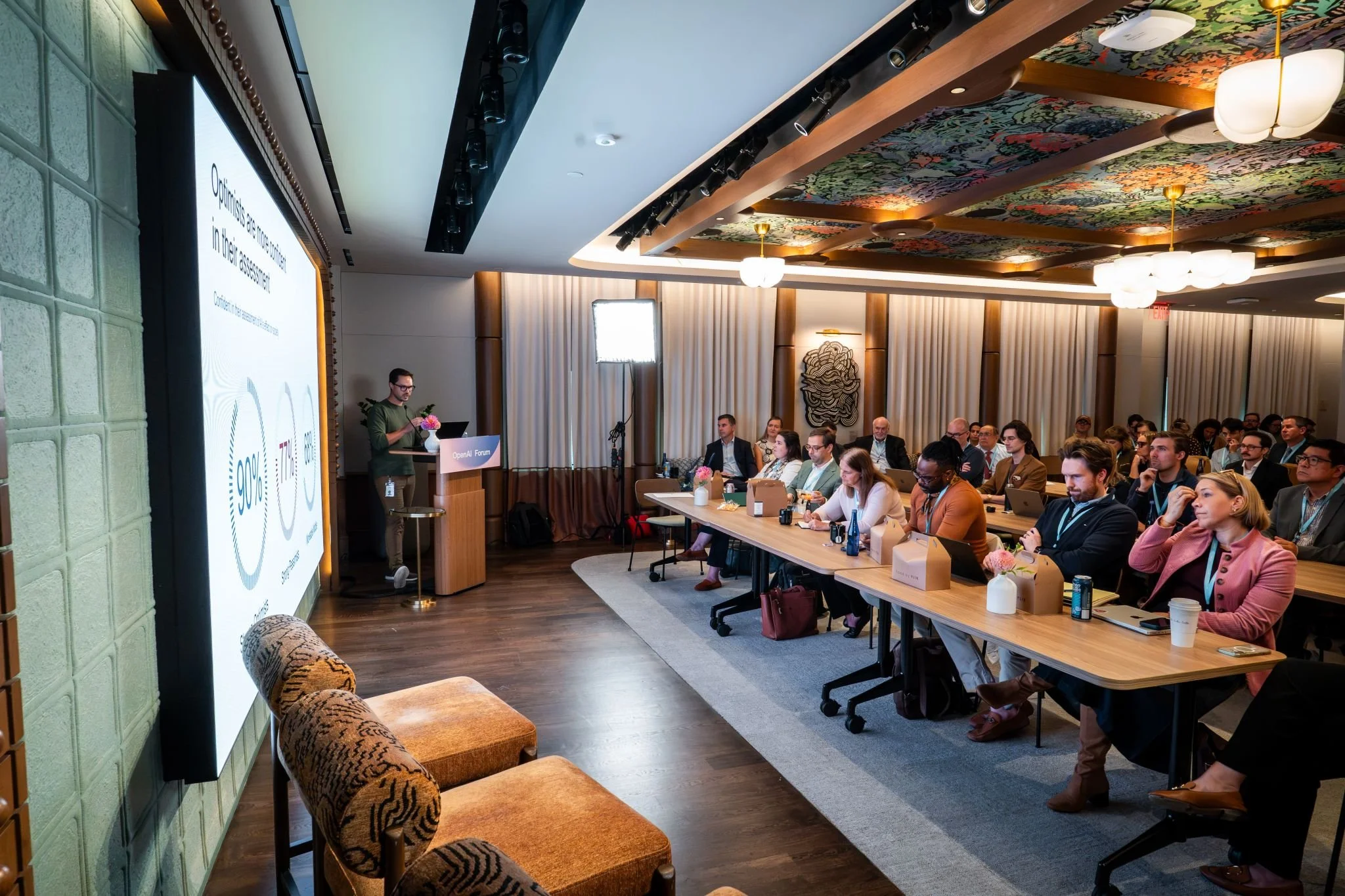
More than 1,600 teachers, administrators and district leaders participated in AI Skills Jams during summer 2026. The sessions were delivered through OpenAI Academy in partnership with the Walton Family Foundation and covered uses including lesson planning, curriculum materials, communications, administrative work and support for different student needs.
Figures supplied by OpenAI show that 93% of participants said they left with something they could use again, while 96% planned to apply what they had learned within 30 days. These figures capture participants’ responses after the training rather than subsequent use or effects in schools.
Township High School District 211, an early OpenAI partner based outside Chicago, has taken a district-wide approach to staff development. Christina Ordonada, Technology Department Chair at Hoffman Estates High School and the district, said it had delivered more than 160 learning sessions to employees including teachers, counselors, social workers, librarians, administrators and support staff.
Nearly 2,000 employees have been included in the initiative. According to figures shared by the district, the proportion of staff identifying at its initial “AI-aware” level fell from 43% to 11% over eight months, while 65% reported actively using ChatGPT in their daily work. The district did not provide the number of survey respondents or further methodological details during the call.
Districts retain responsibility for classroom decisions
School system representatives also addressed how ChatGPT should be used when work involves student assessment.
Asked whether teachers were being encouraged to use the technology to grade students’ work, Ordonada said teacher judgment should remain within the process. She described AI as a possible tool for examining larger sets of data and considering support options after teachers had evaluated students’ work themselves.
Christine Mai, Director of Innovation at Houston Independent School District, also said teachers remained responsible for deciding whether to use AI, checking its accuracy and determining whether its output would benefit students.
Lynwood Unified School District has used AI for work including lesson planning, curriculum mapping and drafting emails. Superintendent Patrick Gittisriboongul said the district had joined OpenAI’s first cohort while developing its own approach to teacher autonomy and responsible adoption.
“AI should never replace the human work of teaching. It should really create more room for it,” he said.
ChatGPT for Teachers remains free for verified U.S. K-12 educators through June 2028. The expansion applies to educators, school leaders and staff, not student accounts.