Meta awards nearly $2 million to 30 US AI glasses projects
Recipients across 18 states are developing applications for education, accessibility, workforce safety, agriculture and economic opportunity
Meta has selected 30 organizations across 18 US states for its nearly $2 million AI Glasses Impact Grants program
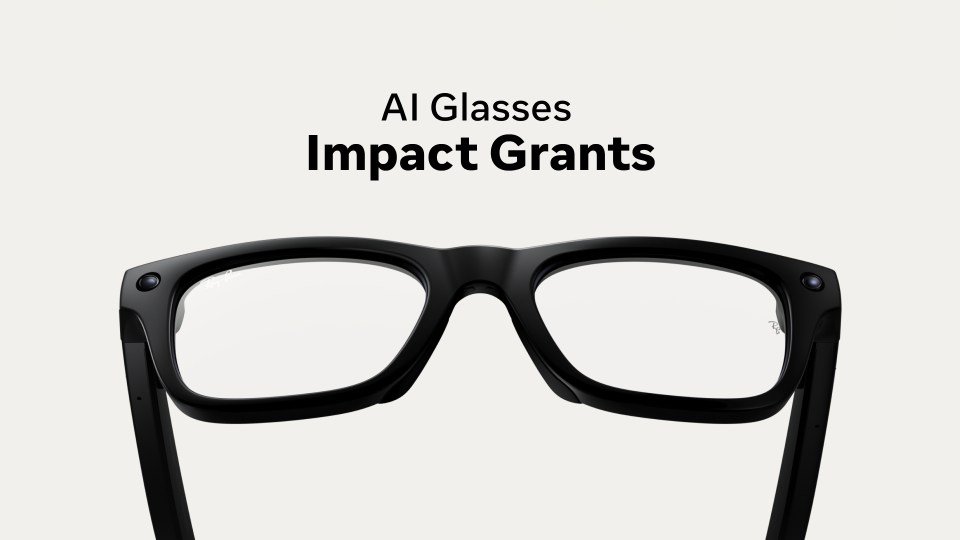
Meta has selected 30 US organizations to receive nearly $2 million through its AI Glasses Impact Grants program, funding projects that use the company’s wearable technology for language learning, workforce training, accessibility and hands-free support.
The recipients span 18 states and were chosen from almost 500 applications. Meta says it assessed organizations on demonstrated impact, scalability and the relevance of hands-free technology to the problem being addressed.
The program is divided into two categories. Accelerator Grants support organizations already using AI glasses, while Catalyst Grants fund developers building applications through the Meta Wearables Device Access Toolkit.
Language tutoring moves onto AI glasses
California-based Immerse Inc. is one of five Catalyst Grant recipients that will integrate an application with Ray-Ban Meta glasses later this year.
The company is developing real-time, hands-free language tutoring intended to let learners practice during daily activities. According to Meta, Immerse’s existing platform serves more than 200,000 learners and is backed by 48 academic studies.
Chris Barbour, Director of AI and AR Wearables Ecosystem Partnerships at Meta, highlighted the project in a LinkedIn post announcing the recipients. “IMMERSE is bringing real-time, hands-free language tutoring to AI glasses, helping learners practice in the flow of daily life,” he wrote.
Education also appears in several workforce projects. Strategic Workforce Development in Missouri is using Meta AI glasses to coach career seekers entering construction trades. The technology provides step-by-step instruction and safety training while recording demonstrations that can be used in job portfolios.
Michigan-based Onsite is developing an integration for field service contractors, covering tasks including job notes, estimates and technical diagnostic support. Mycelia Foundation in New Mexico is equipping rural broadband installers with glasses that provide hands-free safety guidance while they work at height.
Five applications scheduled for integration
The other Catalyst Grant recipients are OurLife Labs, Proformance-AI, Onsite and Agerpoint.
OurLife Labs, supported by Reality Hack, is developing an assistant for people with early-stage dementia and mild cognitive impairments. The application is designed to provide guidance through daily routines and operate as a shared tool for patients, families and caregivers.
Proformance-AI is building an AI copilot for roadside emergency responders, while Agerpoint is working on an application that gives farmers and growers crop health information through AI glasses.
Barbour positioned this range of applications as central to the program’s purpose. “That range is exactly why this program matters,” he wrote on LinkedIn. “The value of AI glasses becomes clearest when the technology meets people in moments where context, attention, independence, and access really matter.”
Other grant recipients include the United Spinal Association, which is using AI glasses to document accessibility barriers in public spaces, and Easter Seals Greater Houston’s BridgingApps Program. BridgingApps is conducting a community pilot involving people with low vision, people with intellectual and developmental disabilities, and people experiencing cognitive aging.
Meta describes the program as support extending beyond funding, including mentorship and opportunities for recipients to share their work. However, its announcement does not provide evaluation measures or timelines for assessing whether the funded projects achieve their intended outcomes.
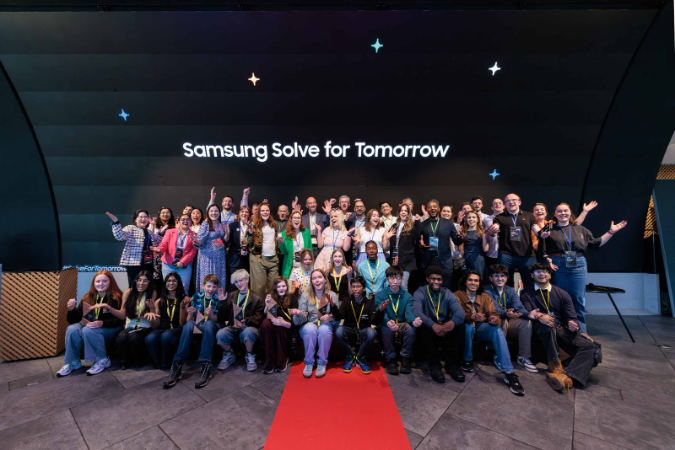
All recipients are attending the AI Glasses Impact Grant Celebration & Community Summit in New York City from July 27 to 29. The five Catalyst recipients are scheduled to integrate their applications with Ray-Ban Meta glasses using Meta’s Device Access Toolkit later in 2026.