Khan Academy brings Gemini-powered visual tutoring into classrooms for 2026
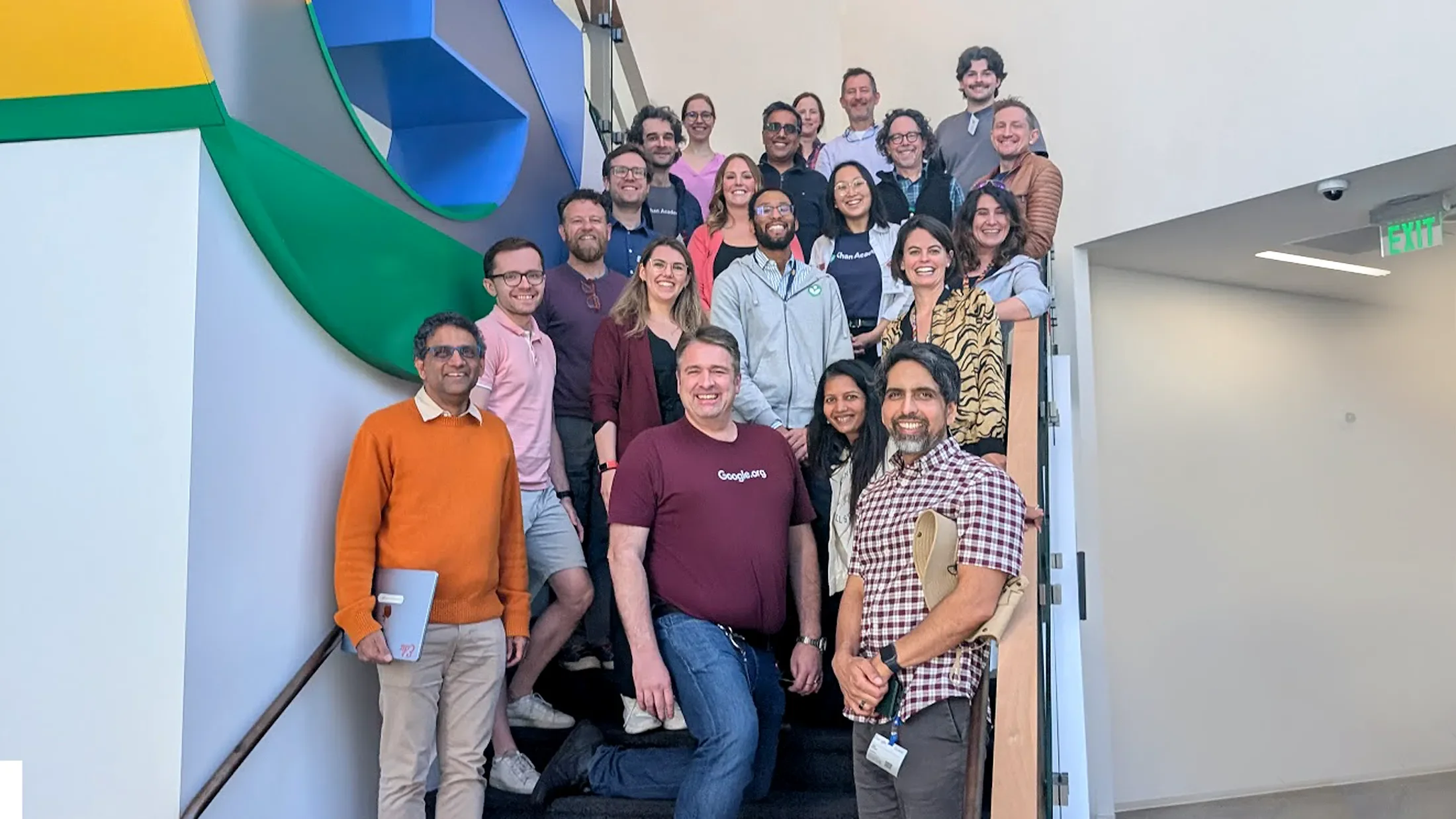
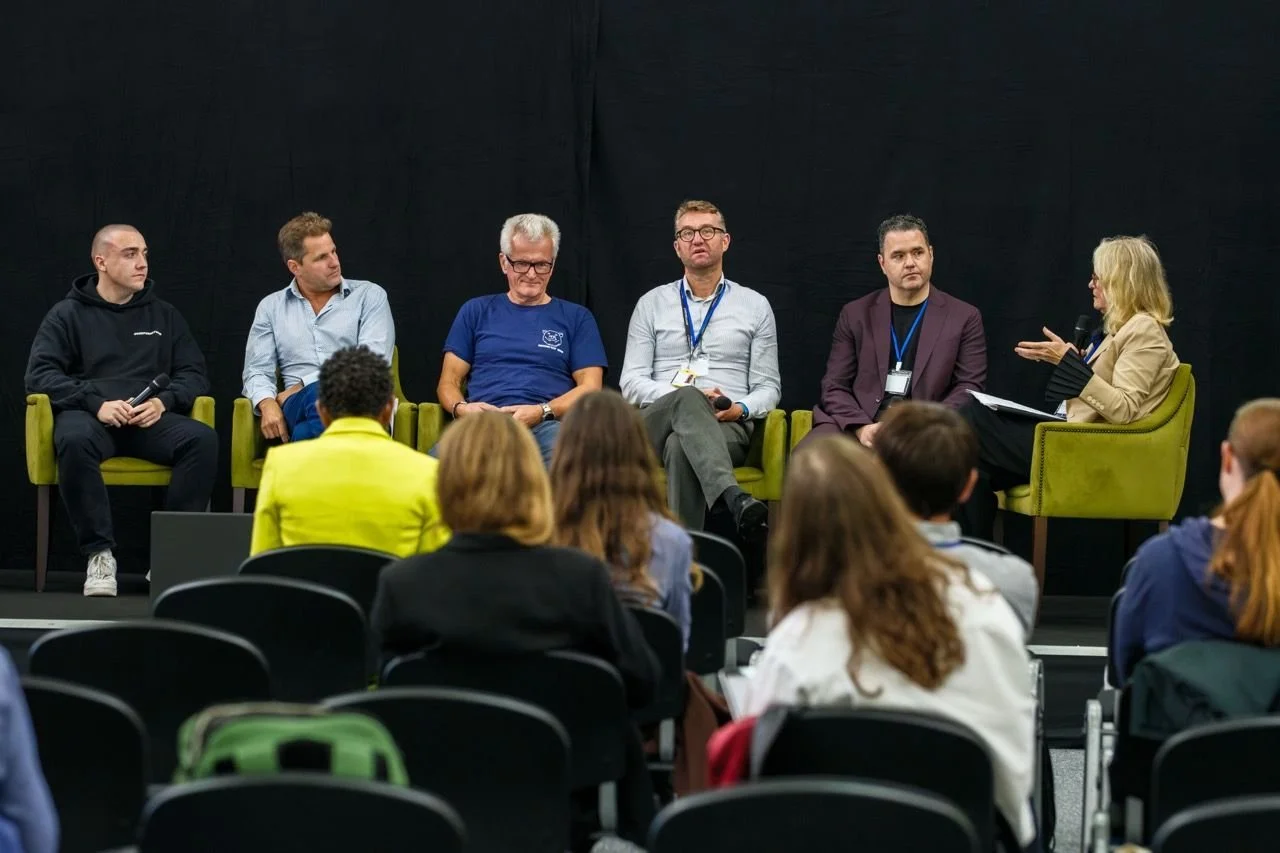
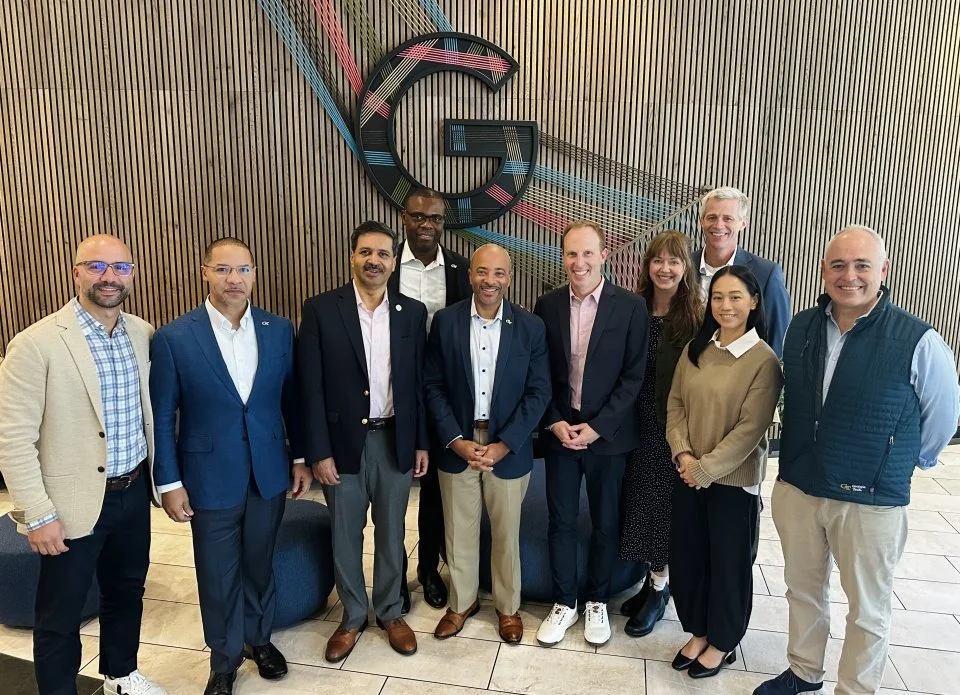
Ben Gomes, Sal Khan and Google fellows involved in the collaboration between Khan Academy and Google.org
Khan Academy is rolling out new Gemini-powered features in Khanmigo for the 2026 school year, adding interactive visual tutoring for students and a redesigned teacher workflow for AI-generated practice.
The tools follow six months of joint development with Google, during which six Google engineers worked alongside Khan Academy’s product and engineering teams through a Google.org Fellowship.
For students, the most noticeable change is that Khanmigo is no longer limited to text when working through math and science problems. The AI tutor can now generate interactive diagrams when it determines that a visual could help, including charts, geometric shapes and parallel coordinate plots.
Students can manipulate those diagrams as part of the lesson. Moving a vertex or dragging a line segment, for example, can prompt Khanmigo to recognize the change and adapt its response.
The feature marks a more substantial shift than simply adding generated images to an AI tutor. Google and Khan Academy worked on metrics for assessing whether diagrams were relevant, clear and useful, as well as when they should appear. The teams also refined details including labeling and added a feedback tool inside Khanmigo.
Khan Academy says early results show signs of increased student engagement and improvements in “next-item correctness”, its measure of whether a student can correctly answer the next problem on the same skill, in the same session and without Khanmigo’s assistance.
Teachers get the final say on AI-generated practice
The second major change tackles a different part of classroom AI use. Khan Academy has rebuilt its Practice My Knowledge tool to give teachers more control over material produced using Gemini.
Previously, Khanmigo could generate practice questions, but teachers did not have the same ability to curate what was ultimately sent to students. The new version allows educators to use Gemini to draft multiple-choice questions, upload their own materials as a reference, and then review, edit or reject questions before an assignment is released.
Teachers can set work as scored or unscored and receive structured performance reports once students have completed it.
The workflow deliberately places the approval step with the teacher. Gemini generates the draft, but the educator decides what reaches the classroom. Rather than handing question generation directly to the model, the latest version inserts teacher review into the process before students encounter the material.
Sal Khan, founder and CEO of Khan Academy, says the Google.org Fellowship accelerated that development.
“Google is a tremendous partner,” he says. “The Google.org Fellows have supercharged our engineering effort, allowing us to produce several new AI-powered features in time for students and teachers to use these tools in the new school year.”
Six Google engineers embedded with Khan Academy
The latest release extends a partnership between Google and Khan Academy announced earlier in 2026. Alongside the six-month fellowship, the collaboration included a Google.org grant and direct access to Gemini models. Google says its engineers have been working with Khan Academy since March.
Jen Carter, Head of Technology at Google.org, says: “We are incredibly proud to support Khan Academy’s visionary approach to education. By combining their deep expertise in student learning with Google’s AI engineering, we are empowering teachers and students with tools designed to make learning more effective, engaging, and accessible than ever before.”
The new features are available now to districts using Khanmigo.