ETIH Innovation Awards 2026: spotlight on Best AR/VR Learning Solution
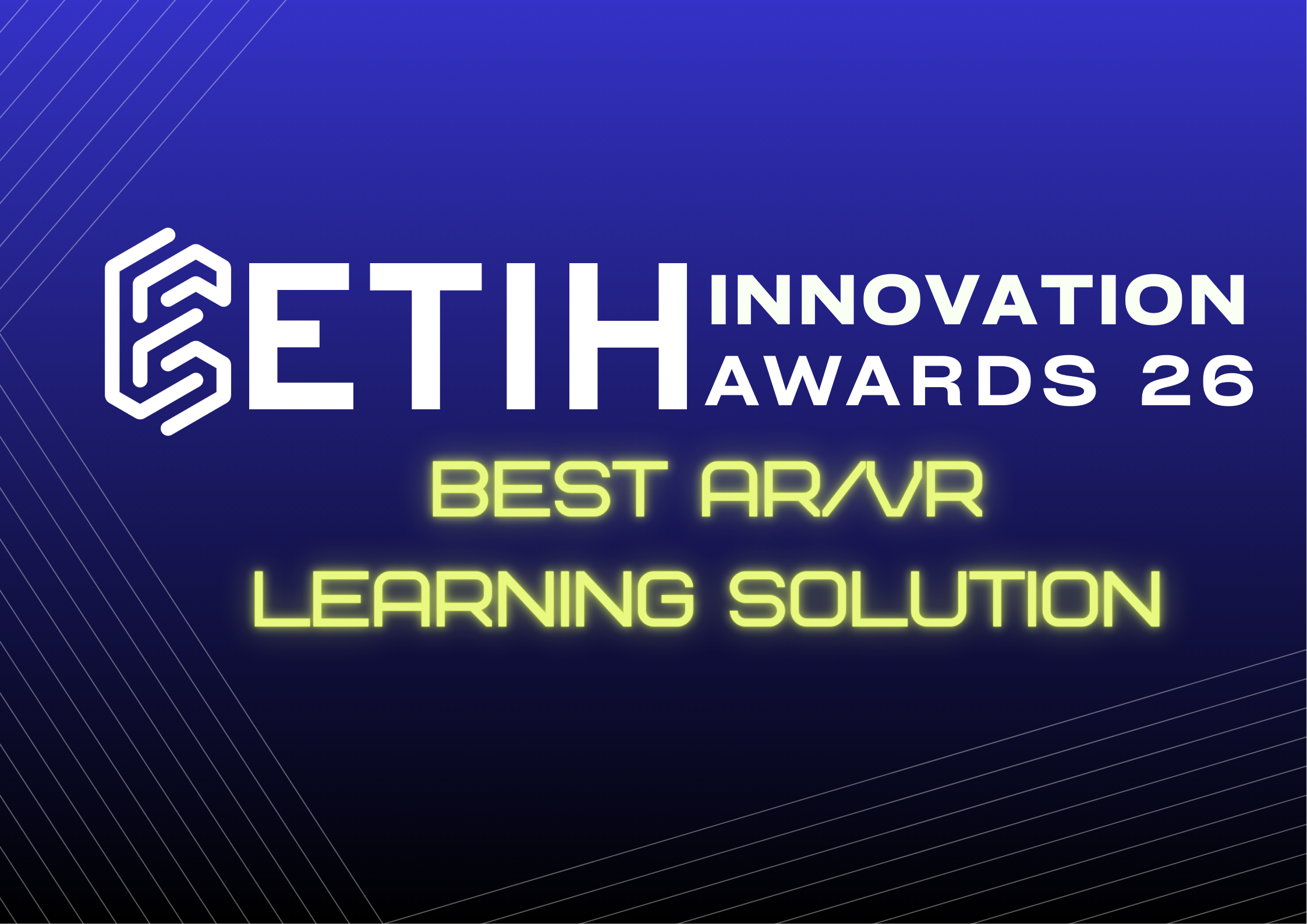
We’re continuing our series exploring each category in the ETIH Innovation Awards 2026, taking a closer look at what the judges expect and what makes a strong submission.
This edition focuses on Best AR/VR Learning Solution, a category celebrating impactful uses of augmented and virtual reality in schools, universities, and workplace training. Entries should demonstrate how immersive technology improves understanding, retention, or learner engagement.
What this category covers
This category highlights AR and VR solutions that enable learners to explore concepts, environments, or scenarios that are difficult to access through traditional instruction. Eligible entries include tools used across education, skills development, and professional training.
Entries may include solutions for:
immersive simulations and real-world scenario training
virtual laboratories, field trips, and exploratory environments
AR overlays that support real-time learning and practice
STEM, medical, engineering, and vocational training applications
soft skills, communication, and team-based simulations
workplace onboarding or compliance training
AI-enhanced immersive learning experiences
mixed-reality content integrated with curriculum or workflows
What judges will look for
Judges will assess whether the AR/VR solution provides meaningful learning benefits that justify immersion.
Entries should address:
the learning challenge or gap the immersive experience is designed to solve
how AR or VR improves understanding, retention, or engagement
usability, accessibility, and how learners interact with the environment
evidence of impact through performance gains, confidence building, or skill mastery
scalability across institutions, subjects, or training contexts
feedback from educators, students, or training participants
Strong submissions will show that immersion leads to clear educational value, not just novelty.
How to strengthen your submission
Entrants are encouraged to explain the instructional design and learning science guiding the immersive experience. Judges value clarity about why AR or VR was chosen over traditional methods.
Submissions will be strengthened by:
measurable improvements in outcomes or engagement
examples of how educators or trainers integrate the experience into instruction
insights from pilot programs, classroom use, or industry deployment
clarity on hardware requirements, accessibility, and long-term sustainability
Feedback from institutions, learners, or workplace partners will help illustrate real-world value.
Why enter this category
Best AR/VR Learning Solution gives organizations an opportunity to showcase immersive innovation at a time when experiential learning is expanding across education and workforce training. Shortlisted entries will be featured on edtechinnovationhub.com and across ETIH channels, reaching institutions, employers, investors, and policymakers.
Entries are reviewed by an independent panel with expertise in immersive learning, EdTech, pedagogy, and workforce development. Many entrants use the submission process to refine their narrative and strengthen evidence of impact.
How to enter
To enter, visit the categories page, select Best AR/VR Learning Solution, and complete the form. The entry deadline is Friday, 27 March 2026. The shortlist will be announced on Tuesday, 2 April 2026, and winners will be revealed on Monday, 27 April 2026.
Entry costs £80 per submission, or £150 for two or more entries. Payment can be made via our website. Once your entry form and payment have been received, confirmation will be sent by email.
For questions or further information, please contact Director of Content Emma Thompson.