Anthropic says Claude lesson-planning tools are reaching 68,000 teachers in Ghana
The AI company used its UNGA-week briefing in New York to detail education projects spanning teacher support in Ghana, public schools in Brazil and curriculum infrastructure in Nigeria, Rwanda and India
Anthropic outlined education uses of Claude spanning teacher lesson planning, public-school projects and curriculum infrastructure at its AI for Global Benefit event
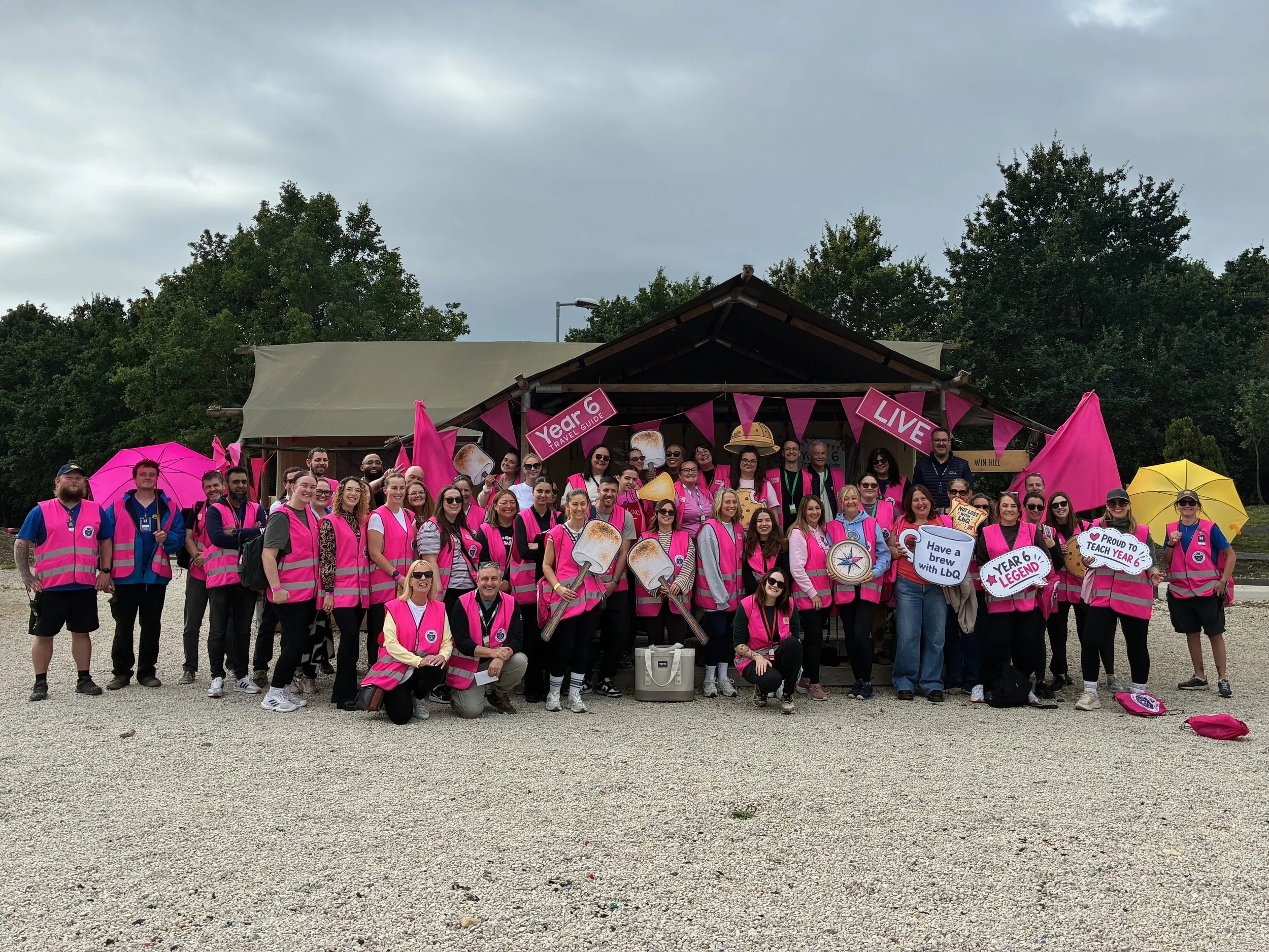
Anthropic says 68,000 teachers in Ghana have been given access to Claude-powered lesson-planning tools through work with PlayLab and the country’s Ministry of Education, as the company expands its education partnerships across several countries.
The deployment was one of a series of education projects discussed at Anthropic’s The Briefing: AI for Global Benefit event in New York on September 22, held during UN General Assembly High-Level Week.
Elizabeth Kelly, Head of Beneficial Deployments at Anthropic, said the company’s approach starts with adapting systems to the education setting in which they will be used.
“In education, we know that AI tools are only useful when they're aligned with the national curriculum and the local context,” she said.
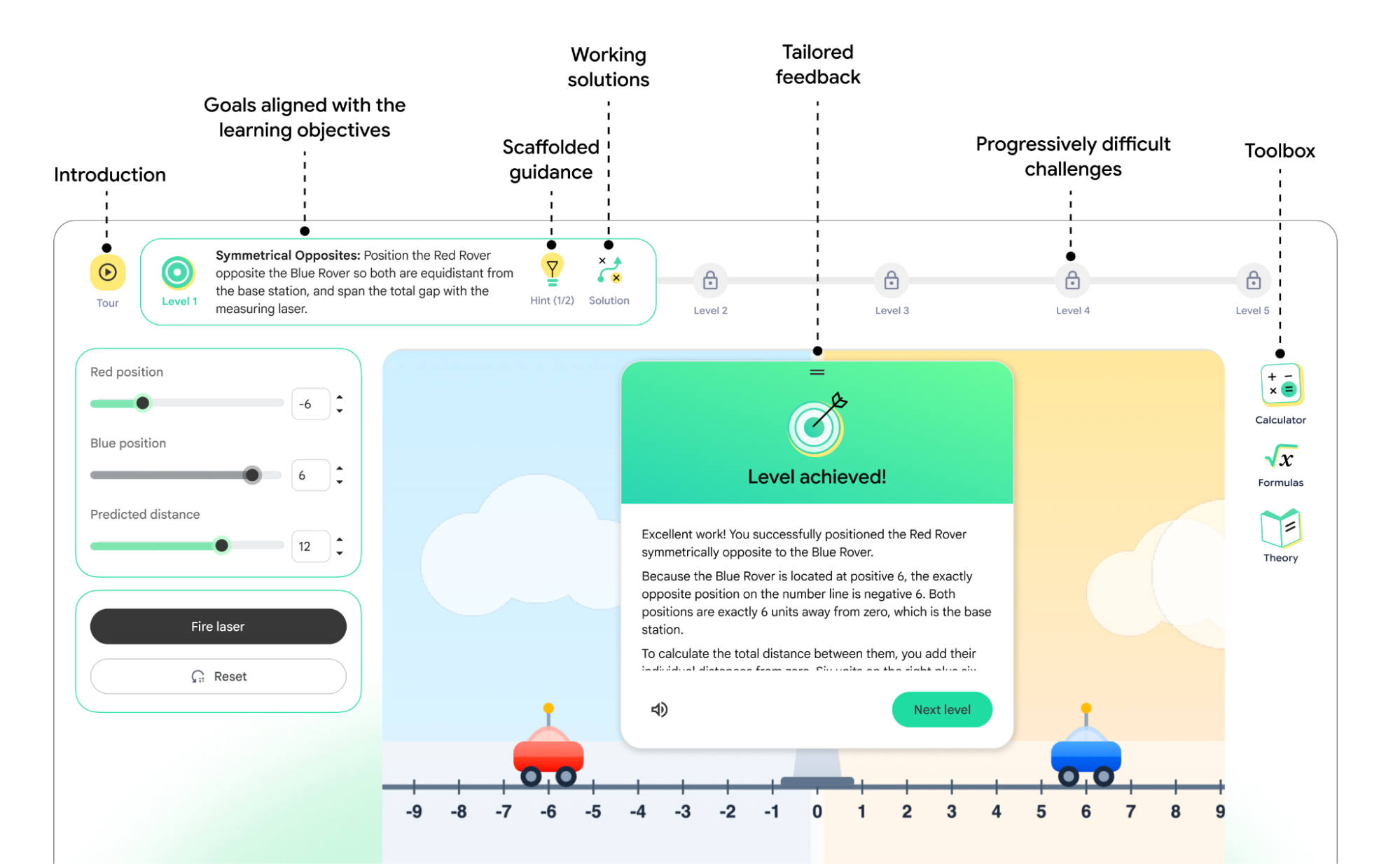
In Ghana, that has involved lesson-planning tools designed around the national curriculum rather than a general-purpose deployment of Claude.
Public-school work expands to Brazil
Anthropic also said it has recently begun working with the AI for Education Alliance, described at the event as three of Brazil’s leading education foundations.
The partnership is focused on co-designing AI tools for use in Brazilian public schools. Anthropic said the organizations intend to publish evidence, tools and playbooks from the work so they can also be used by governments and education implementers elsewhere.
A separate project with the Gates Foundation and IDinsight is looking further down the technology stack. The organizations are working to turn national curricula into knowledge graphs that can be used by learning tools, beginning with Nigeria, Rwanda and India.
Taken together, the projects show Anthropic testing different routes into education, from tools placed directly in teachers’ hands to infrastructure intended for other education products to build on.
The company did not present evidence at the event on the effect of the Ghana deployment on teacher workload, instructional quality or student outcomes, although it positioned the work as part of its wider effort to develop AI alongside organizations already working within national education systems.
Teachers remain central to the model
The role of teachers was picked up again during a later panel involving education and government partners.
A representative from Pratham Education Fund said AI could give teachers better information about where individual students are in their learning and what support they need, while arguing against treating the technology as a substitute for the teacher.
“I firmly believe that the teacher is not removable from the class,” she said.
She described a model in which AI provides teachers with more information and resources to respond to different levels of attainment within the same classroom.
Anthropic’s wider presentation also acknowledged the practical barriers that can limit AI adoption. Kelly identified price, language and technical expertise as continuing obstacles, particularly for nonprofits and organizations in lower-income countries.
The company has expanded its Claude for Nonprofits offer to provide a 90% discount on Claude Team plans for nonprofits in low and middle-income countries. It is also beginning to offer Claude Academy in more languages as part of its AI skills work.
Anthropic said its Beneficial Deployments team is concentrating on areas including education, global health, scientific research and humanitarian response, working with partner organizations rather than treating AI itself as the solution.
Kelly put that more plainly during the event: “We do not view AI as a panacea.”
For education, the next test is whether the growing number of country-level projects can produce evidence about what works in classrooms, alongside the tools and infrastructure now being developed.