University of Texas astronomy students help locate unexpected black hole in nearby galaxy
New research conducted by the University of Texas at Austin (UT Austin) and the University of Texas at San Antonio (UTSA) has located a large black hole at the heart of Segue 1.
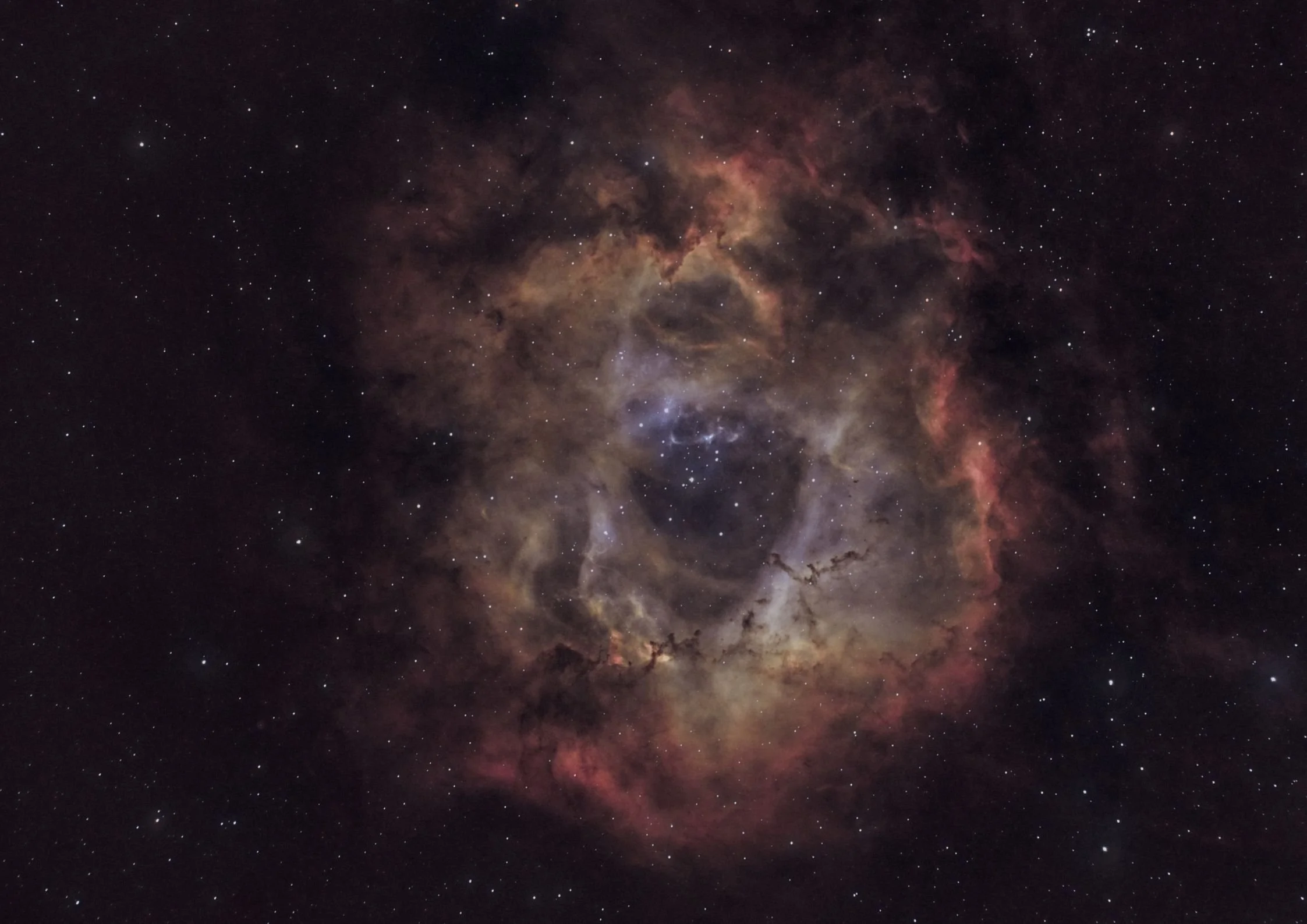
Previously, researchers believed at Segue 1, a small nearby galaxy, was held together by dark matter, preventing it from scattering across space. New research, published in The Astrophysical Journal Letter, has located a giant black hole at its center which provides the gravitational pull needed to keep it together.
The research stems from an astronomy course held jointly by UT Austin and UTSA, which have students a chance to use advanced modelling techniques to study gravity’s effects in galaxies.
“Our work may revolutionize the modeling of dwarf galaxies or star clusters to include supermassive black holes instead of just dark matter halos,” says Nathaniel Lujan, a graduate student at UTSA who led the research.
Using supercomputers at UT Austin’s Texas Advanced Computing Center, the students were able to create hundreds of thousands of complex models charting the expected paths of Segue 1’s stars. They discovered that stars toward the center travel in quick, tight circles, indicating a black hole.
The black hole is said to be 450,000 times the size of the Sun, and ten times larger than all of the stars in Segue 1 combined.