University of Maryland opens quantum Discovery Center with Microsoft as investment hits $500m
The new Discovery Center in College Park brings Microsoft, international quantum companies, university researchers and startups into one hub as Maryland builds out its quantum ecosystem
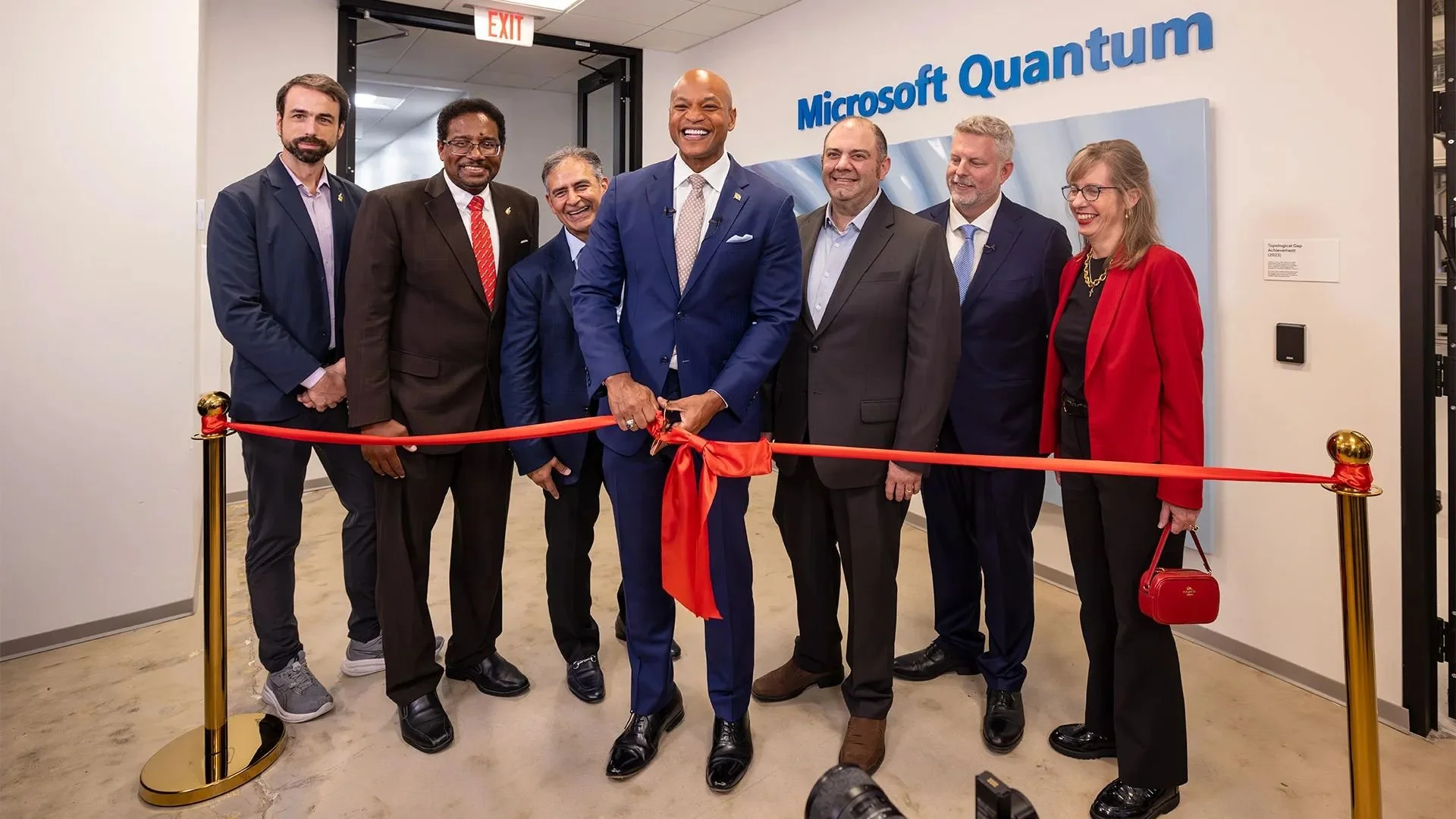
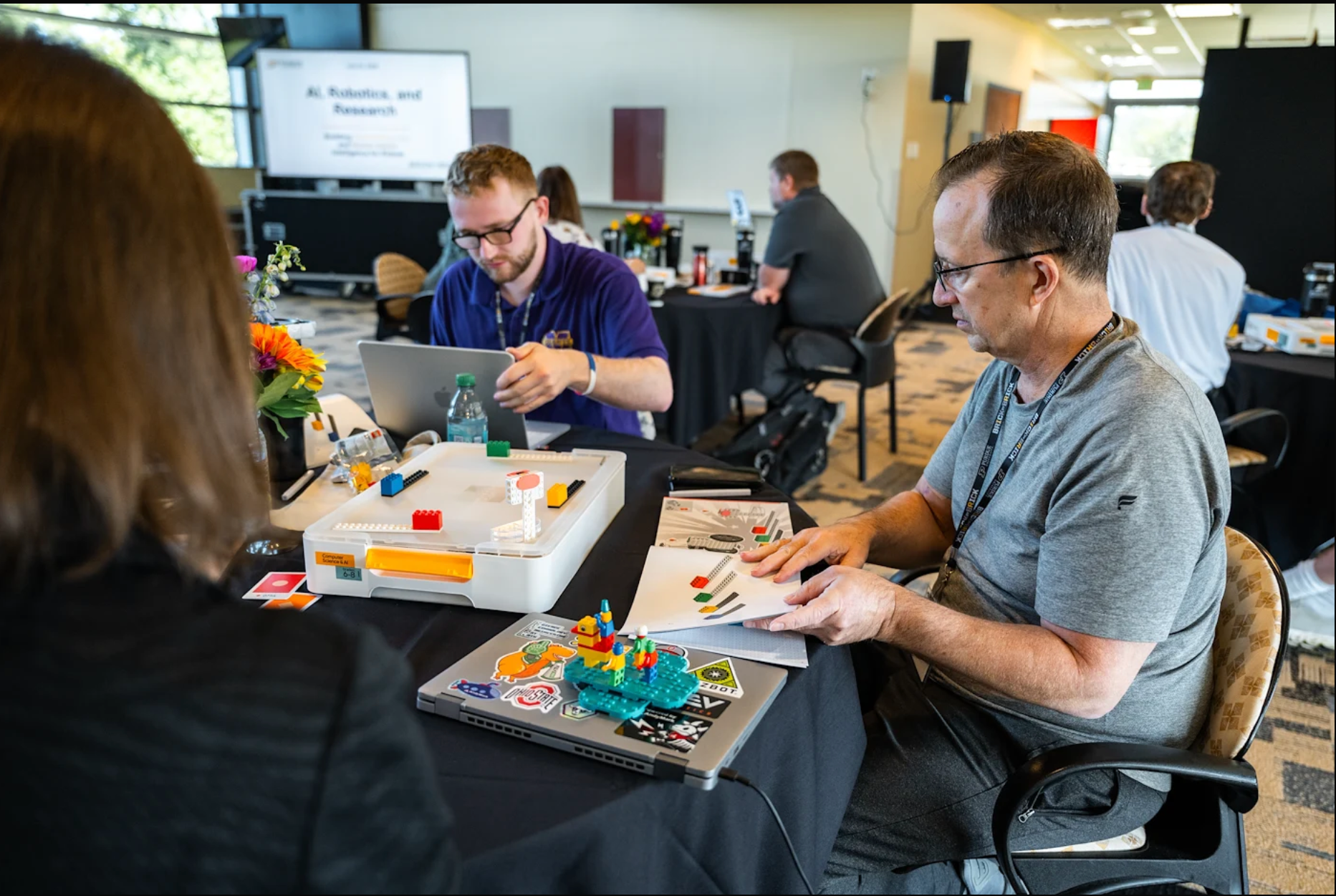
University of Maryland and Maryland officials joined Microsoft representatives to open the new Discovery Center in College Park. Photo credit: John T. Consoli/University of Maryland
Microsoft has opened a new quantum research center at the University of Maryland as the state’s wider Capital of Quantum initiative passes $500 million in investment commitments.
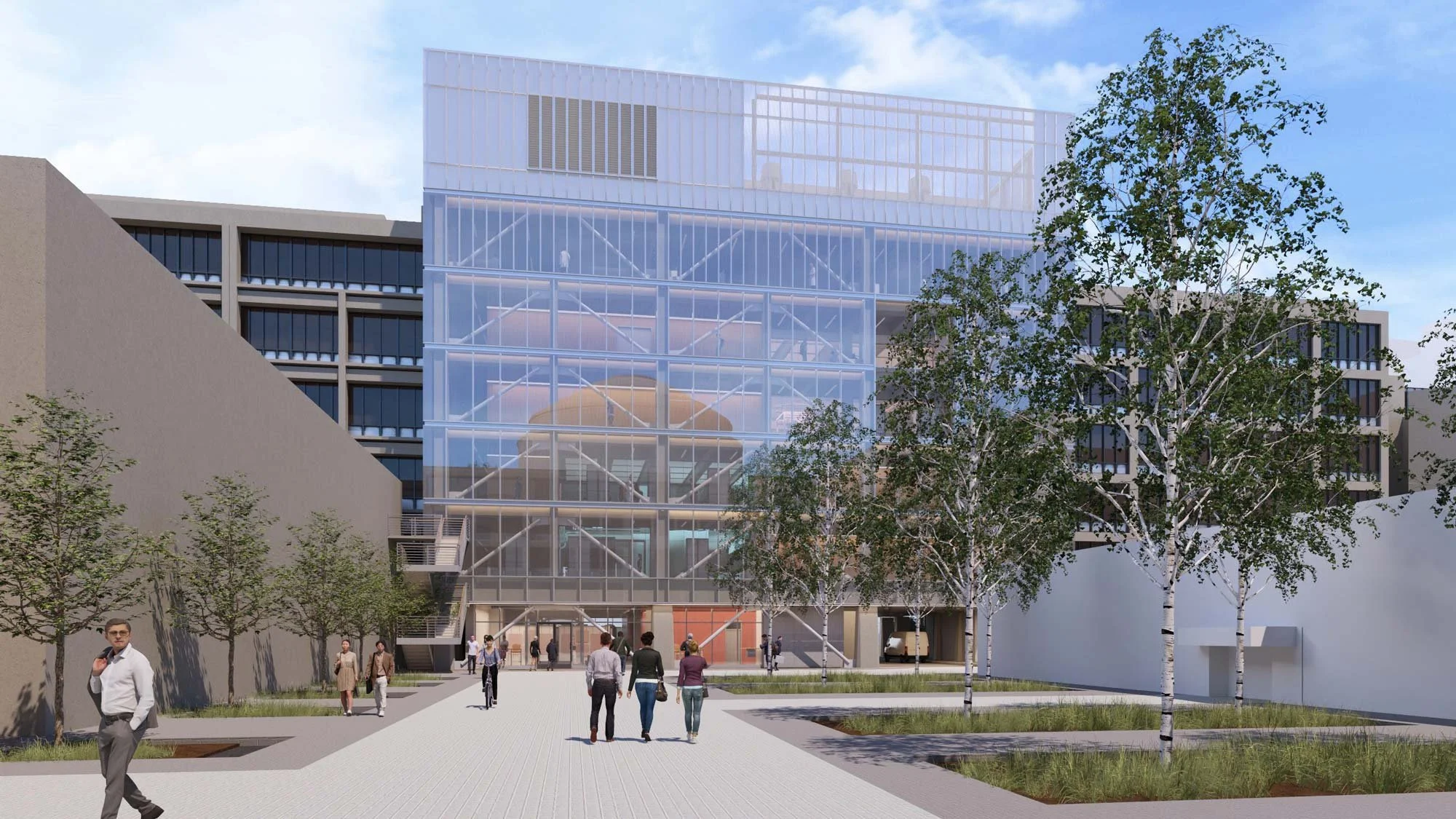
The Microsoft facility sits inside the newly opened Discovery Center in College Park, a three-story research and commercialization hub that also houses international quantum companies, University of Maryland startups and the headquarters of the Capital of Quantum initiative.
Maryland’s five-year program is targeting $1 billion in investment across quantum research, company growth, infrastructure and workforce development. Gov. Wes Moore says it has reached the halfway point in less than two years.
For the University of Maryland, the opening brings several strands of its quantum strategy into one building: academic research, commercial laboratories, startup support and direct links to companies developing quantum hardware and software.
Microsoft puts Maryland lab at center of quantum program
Microsoft’s new research center will support its work in the Defense Advanced Research Projects Agency’s Quantum Benchmarking Initiative and provide a base for collaboration with University of Maryland faculty and students, industry partners, government and businesses.
Jason Zander, Microsoft Executive Vice President for Discovery and Quantum, describes the Maryland lab as central to the company’s plans.
“We couldn't be more excited, and I will tell you this lab is core for our strategy,” Zander says. “We don't have a quantum program without this lab, with the Ph.D.s that are helping us design these new machines. They're doing it right here in Maryland."
The center follows an announcement made in 2025 by Zander, Moore and University of Maryland President Darryll J. Pines that Microsoft would establish a major quantum research presence at the university.
Pines says the new building now puts Microsoft alongside other quantum companies working in the university’s Discovery District:
“Microsoft decided to partner along with Quantum Motion, IQM and others in this very building to come and co-locate in Discovery District Maryland, right here in the Discovery Center, to grow the future of quantum.”
The site is connected through Mid-Atlantic Crossroads, the high-bandwidth research network linking the university to wider regional quantum infrastructure.
Quantum companies establish U.S. bases in College Park
The Discovery Center is also becoming a U.S. base for several international quantum technology companies.
UK-based Quantum Motion, which develops silicon-based quantum computers using standard semiconductor manufacturing processes, is using the building as its U.S. launchpad.
Fellow British company Riverlane, which specializes in quantum error correction, is establishing its U.S. headquarters there. Finland-based IQM is opening its first U.S. quantum technology center, while QuEra Computing will operate an office connecting it with University of Maryland researchers.
QuEra’s neutral-atom Aquila system is already available through the university’s National Quantum Laboratory, known as QLab.
The concentration of companies around the university is being supported through Capital of Quantum, the public-private initiative designed to connect industry, academia, government and investors.
Moore says the arrival of multiple international companies reflects the scale of activity:
“The world has descended upon College Park. They came here because they believed. They came here because they saw the future being written in College Park and they wanted to be a part of it.”
Startups and students join the same quantum ecosystem
University startup activity is moving into the building alongside the larger corporate research operations.
The University of Maryland’s Quantum Startup Foundry is relocating its laboratories and offices to the Discovery Center, where it will run TraQtion, its market accelerator, and Pre-TraQtion, a program supporting earlier-stage startups pursuing grant funding.
That places startup development alongside Microsoft’s research program and the international quantum companies establishing operations at the site.
The university says hundreds of researchers currently work across nine quantum centers and institutes covering areas including fundamental physics, computing, materials and engineering.
Students and faculty will also be part of Microsoft’s activity at the center, with Zander saying the facility will support engagement across the university and surrounding community.
The opening comes alongside the 2026 Quantum World Congress in College Park, where the University of Maryland is the lead academic partner. The event brings together scientists, industry leaders, investors and policymakers working across the quantum sector.
With $500 million now committed toward Capital of Quantum’s $1 billion target, the Discovery Center gives the initiative a physical base for its mix of university research, company development, startups and workforce activity.