OpenAI Academy takes disaster AI skills program into prototype testing
Sixty officials, technical representatives, builders, and partners from 13 South and Southeast Asian countries developed workflows for flood risk, early warning, reporting, and emergency coordination.
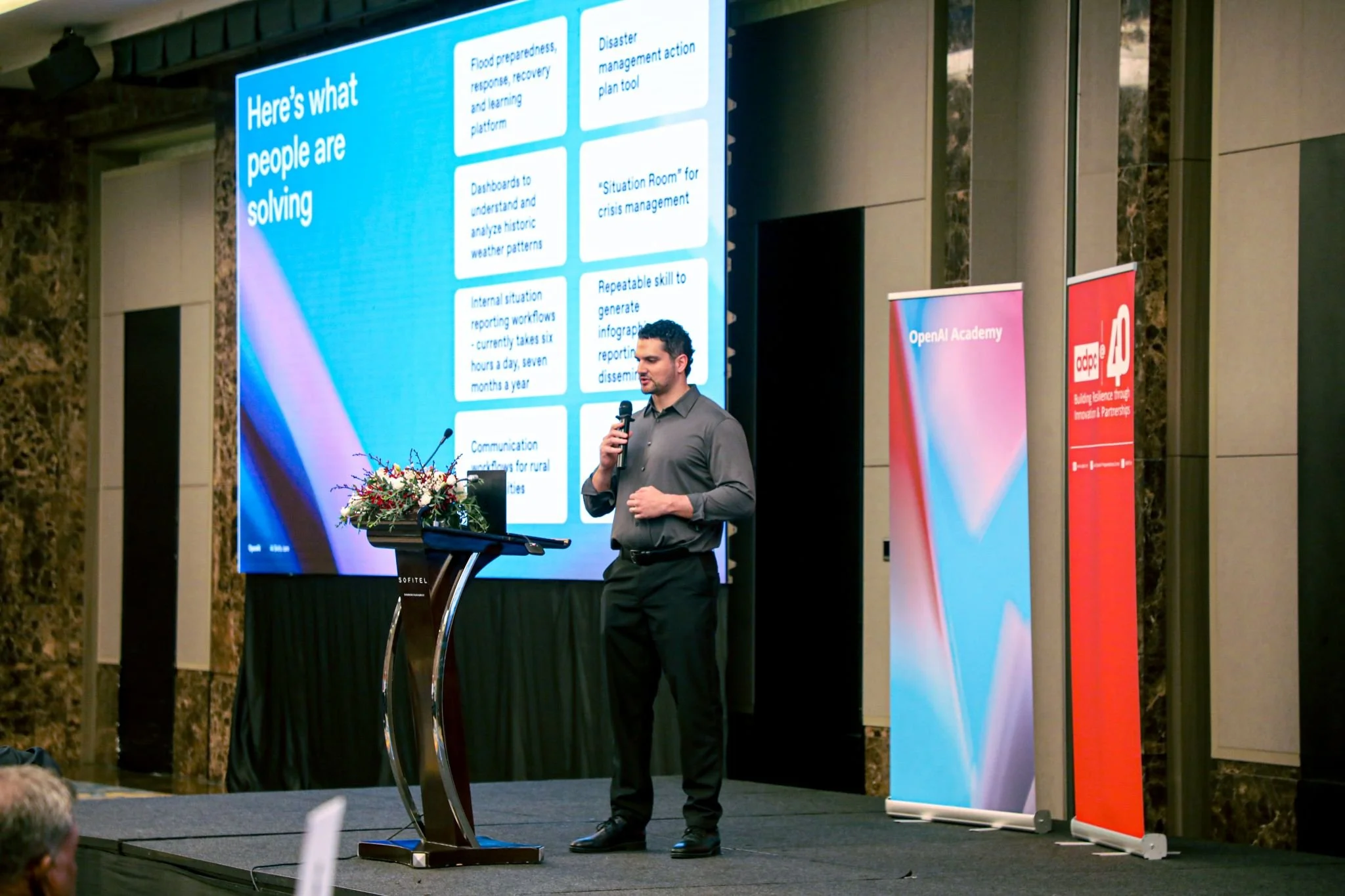
Alex Nawar presents examples of AI workflows developed during Phase 2 of the AI Skills Jam for disaster management professionals in Bangkok. Photo credit: Alex Nawar
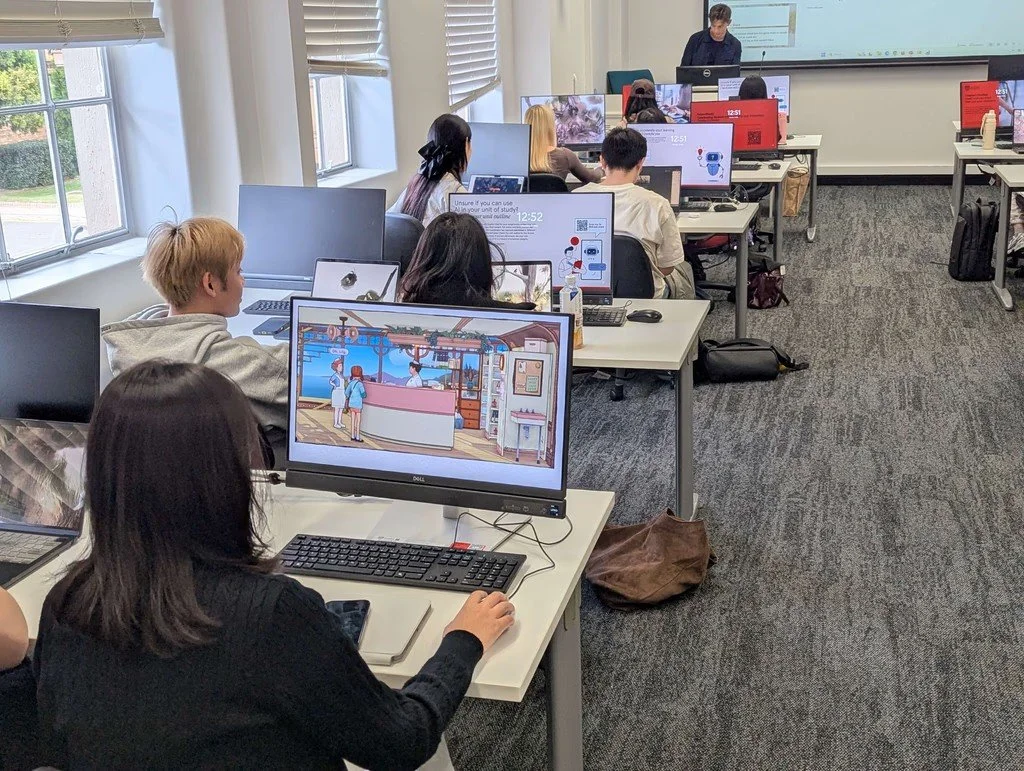
OpenAI Academy, the Asian Disaster Preparedness Center (ADPC), DataKind, and the Gates Foundation have completed the second phase of an AI skills program in Bangkok, where disaster management professionals built and tested prototype workflows for preparedness and emergency response.
The two-day AI Skills Jam brought together 60 government officials, senior technical representatives, technology builders, regional partners, and funders from 13 countries across South and Southeast Asia.
Phase 2 followed an initial workshop held in March 2026, which focused on AI literacy among professionals working on flood and drought risk, early warning, emergency coordination, and situation reporting. The June workshop moved into applied development, with participants turning operational problems into workflows and early-stage tools.
Participants worked through Build, Test, and Learn tracks covering advanced ChatGPT applications, AI-assisted spreadsheet tasks, sensitive information management, prototype evaluation, and responsible adoption.
Selected workflows and prototypes will now undergo further development. The organizers say some outputs may be converted into free, reusable materials that other disaster management institutions can adapt, although no publication timetable or selection criteria have been disclosed.
Participants built workflows for emergency operations
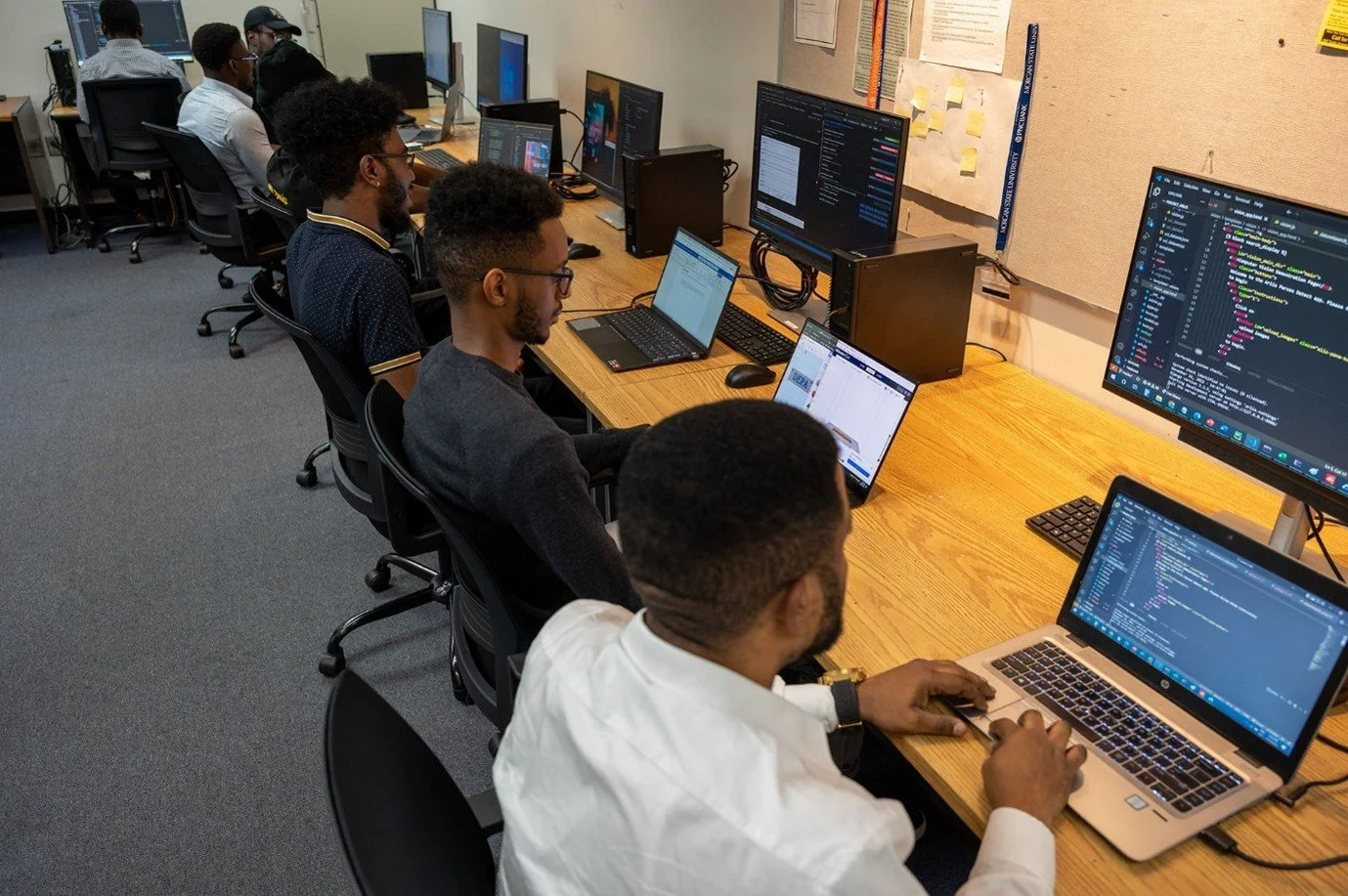
The Build track paired disaster management practitioners with OpenAI staff and external technical specialists.
Teams identified operational processes that could potentially be supported by AI, set requirements, developed prototypes, tested them with users, and considered what would be needed before institutional adoption.
Alex Nawar, a member of OpenAI's Global Affairs team working on OpenAI Academy, wrote in a LinkedIn post: "The basic idea was to pair people who understood the operational problems with people who could help turn those problems into working prototypes."
The Learn track included sessions on advanced ChatGPT use, spreadsheet workflows, and managing sensitive information. The Test track allowed participants to assess prototypes against operational needs.
DataKind facilitated feedback covering usability, data requirements, institutional fit, responsible-use considerations, and the changes needed before the tools could be adopted.
The organizers did not provide details about the data used in individual prototypes, how information was protected during development, or whether any tools were connected to live government systems.
Nawar wrote: "For teams doing time-sensitive, often life-saving work, the bar is higher: they need automations they understand, can evaluate, and can trust enough to use responsibly."
The workshop therefore included work on defining each process, identifying which information must be accurate, deciding where human review should take place, and testing outputs against the intended use.
Thailand and Myanmar participants developed flood tools
Nawar identified two flood management projects produced during the Bangkok program.
A participant from Thailand's Department of Water Resources developed a flash flood risk map using geographic shapefiles and prompts written in Thai.
A participant from Myanmar's Department of Meteorology and Hydrology created a flood early warning dashboard intended to help disaster management teams view risk information more quickly.
Other workshop topics included disaster response and recovery platforms, action planning, historic weather analysis, situation reporting, crisis management, communications, and the generation of infographics.
The prototypes remain workshop outputs rather than operational disaster management systems. No accuracy results, user testing figures, deployment dates, or evidence of use during an emergency were included in the announcement.
Dr. Bhichit Rattakul, Senior Special Advisor at the Asian Disaster Preparedness Center, says: "During disasters, local communities are the most at risk, and the first 24 hours are often the most critical."
He adds: "The quality and speed of information shared with communities can influence response efforts. Strengthening AI skills among disaster management professionals can help improve disaster preparedness, risk reduction, and timely decision-making."
Rattakul also serves as Member Secretary of the Thai Disaster Preparedness Foundation and Chairman of the Academic Sub-committee on Disaster Prevention, Relief, and Climate Change Impact Reduction under Thailand's Department of Disaster Prevention and Mitigation.
Selected tools may become reusable public resources
ADPC says the AI Skills Jam forms part of its work to introduce AI-supported approaches across 15 priority areas for disaster risk management.
These areas include early warning systems, risk and vulnerability assessments, damage analysis, climate and weather intelligence, and decision support for emergency operations.
Aslam Perwaiz, Executive Director at the Asian Disaster Preparedness Center, says: "The AI Skills Jam is designed to help disaster management professionals build practical AI skills, test reusable workflows, and develop solutions that can be applied in their day-to-day work. It also fosters regional collaboration around shared risks and challenges."
He adds: "This collaborative approach aligns with ADPC Strategic Action Plan 2030 for AI-enabled disaster risk management, including strengthening early warning systems, enhancing risk and vulnerability analysis, improving climate and weather intelligence, and supporting evidence-based decision-making."
The Gates Foundation supported the workshop as part of the partnership. Pilar Pacheco, Senior Program Officer for Emergency Response at the Gates Foundation, says the projects need to be shaped by local priorities rather than introduced as technology-led interventions.
"At the Gates Foundation, we believe deeply in the power of innovation when it is grounded in equity, driven by local needs, and developed with the support of local actors. The goal is not technology for its own sake. The goal is impact, ensuring that the right information reaches the right people at the right time so that decisions can be made faster, resources can be better targeted, and communities can be better served," she says.
Pacheco adds: "The prototypes developed during this workshop may begin as small experiments, but they have the potential to demonstrate how technology can help responders manage information more effectively, support faster decision-making, and strengthen service delivery to communities affected by disasters."
The partners plan to refine the strongest workflows after the workshop. Selected outputs may be developed into Digital Public Good-oriented packages that disaster management organizations can reuse, but the partners have not announced which projects will progress or when the materials will be released.