Durham researchers secure £25,000 to expand AI assessment work in Irish schools
The funding will extend a pilot of the AI Assessment Scale with voluntary secondary schools and support new training, evidence and practical resources for teachers and education leaders.

A £25,000 UKRI ESRC award will support the next phase of the AI Assessment Scale pilot in Irish secondary schools
Durham University Assistant Professor Dr Jasper Roe and British University Vietnam Associate Professor Dr Mike Perkins have secured £25,000 to expand their work on the use of the AI Assessment Scale in schools across the Republic of Ireland.
The award comes through Durham University’s UK Research and Innovation (UKRI) Economic and Social Research Council (ESRC) Impact Acceleration Account and will fund the next stage of a pilot developed with the Joint Managerial Body (JMB) for Voluntary Secondary Schools.
Perkins and Roe have spent the past year working with JMB and participating Irish schools to test how the AI Assessment Scale can inform assessment design as generative AI becomes more widely available to students and teachers.
The next phase will concentrate on developing training programs, extending the evidence collected through the pilot and producing practical resources intended to improve AI readiness across the school system.
The researchers have not disclosed how many schools will participate in the expanded phase or when the new training and resources will become available.
Pilot moves from assessment debate to classroom practice
The AI Assessment Scale was developed to support decisions about assessment and generative AI use. According to Perkins’ professional profile, the framework has been translated into more than 30 languages and implemented in over 350 schools and universities internationally.
Perkins, who is Head of the Centre for Research & Innovation at British University Vietnam, said in a LinkedIn post: “This new funding allows us to build on that work, deepen our evidence base, and continue developing practical approaches to assessment design in the age of generative AI.”
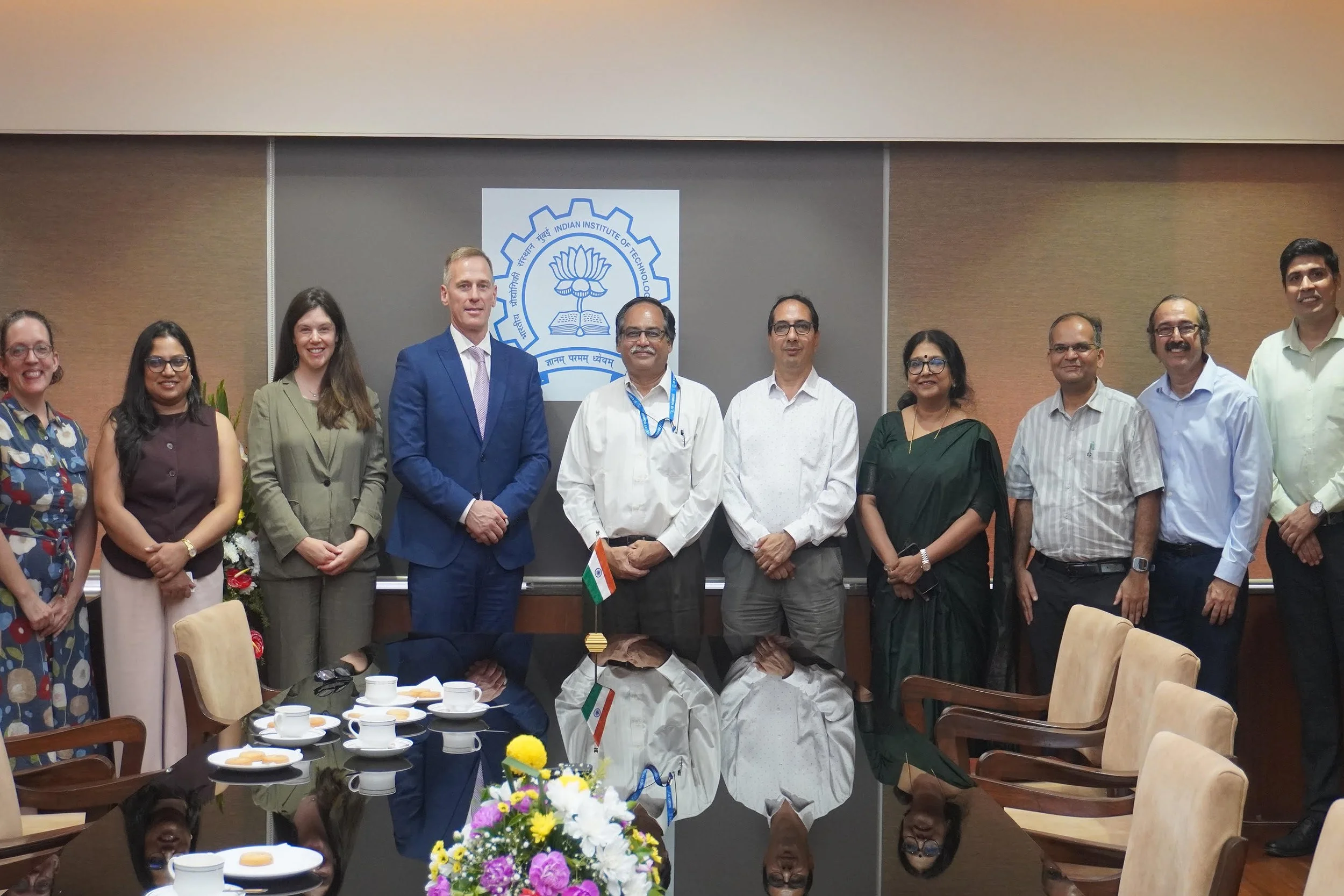
He recently presented findings from the Irish pilot in Dublin to representatives from the Irish Department of Education and Youth, the State Examinations Commission, Oide and the schools involved in the project.
Perkins added: “The discussion reinforced the importance of moving beyond abstract debates about AI and assessment, and towards practical frameworks that teachers, students, and school leaders can actually use.”
JMB provides professional development, advice and representation to voluntary secondary schools in Ireland. Its work covers areas including education research, data protection, child protection, employment law, school procurement and policy engagement.
Training and school resources form the next phase
Roe, an Assistant Professor in Education specializing in digital literacies and pedagogies at Durham University, said the project team will continue to revise and develop the framework alongside JMB and its member schools.
“We hope this project will help drive impact and support AI readiness in the K-12 landscape, and lead to new frameworks, insights, and practical tools for teachers, students, and educational leaders,” he said in a LinkedIn post.
Roe also said he hopes to increase engagement with the AI External Advisory Task Force operating under Ireland’s Department of Education and Youth.
The project sits within a broader debate about how schools should redesign assessment when students have access to generative AI. Rather than setting a single institution-wide rule, the Irish pilot is examining how a structured framework can be developed and tested with teachers, school leaders and students in live education settings.
The £25,000 award will now be used to continue the pilot, create training programs and develop further guidance and resources. Details of the participating schools, project timeline and resulting materials have not yet been announced.