NASA launches seven State Hubs to build pathways into skilled aerospace careers
The initiative spans California, Colorado, Florida, Georgia, Minnesota, Texas and Utah, linking education, workforce and industry partners around technical roles supporting the US space sector
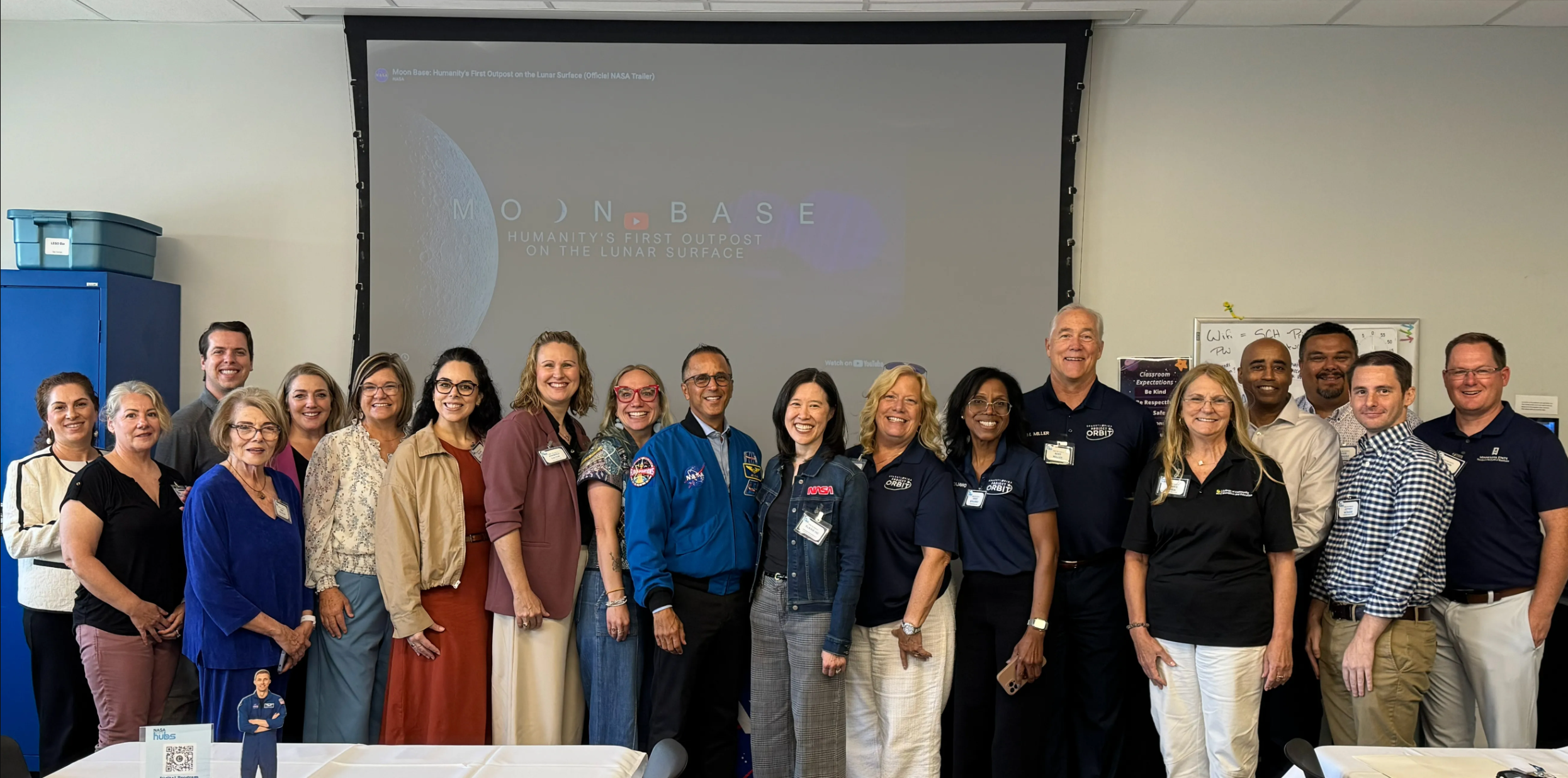
NASA State Hubs project leaders with Joe Acaba, NASA astronaut and Associate Director for Mission and Strategy at Johnson Space Center, and Elaine Ho, Associate Administrator for NASA’s Office of STEM Engagement, at the Houston kickoff.
Photo credit: NASA
NASA has formally launched its State Hubs for Skilled Technical Workforce initiative, bringing together seven state-level projects designed to connect students with technical careers supporting the US aerospace industry.
The first hubs represent California, Colorado, Florida, Georgia, Minnesota, Texas and Utah. NASA selected the projects in August before bringing hub leaders together at Space Center Houston on September 15 to begin coordinating their work.
Each State Hub will develop programs around its own aerospace workforce needs, with NASA identifying manufacturing and other skilled technical roles as a particular focus.
The initiative is aimed at careers that do not necessarily require a college degree, while bringing schools, community colleges, workforce organizations, economic development groups and employers into closer coordination.
Elaine Ho, Associate Administrator for NASA’s Office of STEM Engagement, says the space economy’s growth has made the workforce pipeline a priority.
“It’s energizing to watch our partners come together to put real plans into action to help students advance into well paying, rewarding technical jobs. I am excited about what’s ahead.”
Hubs will respond to state workforce needs
NASA says the seven hubs will not follow a single national program model.
Instead, each project will tailor its activity around the aerospace sector and workforce priorities in its state, including the skills, credentials and hands-on experience employers are looking for.
At the Houston kickoff, project leaders met with NASA, state and federal partners to discuss workforce needs, hiring trends and barriers affecting the technical talent pipeline.
Those challenges included limited coordination between industry, community colleges and state economic development organizations, difficulties scaling employment programs and misconceptions about manufacturing careers.
NASA astronaut Joe Acaba, Associate Director for Mission and Strategy at Johnson Space Center, and astronaut Victor Glover also took part in the kickoff, alongside aerospace industry and federal workforce representatives.
Writing on LinkedIn after the event, Ho said the program is intended to move beyond simply making students aware of space-sector careers: “NASA and our partners are moving beyond telling students that exciting aerospace careers exist. We’re helping BUILD THE PATHWAYS for them to get there.”
Minnesota links colleges, schools and aerospace employers
The Minnesota hub provides one example of how those state partnerships are expected to work.
Shawn Haag, Executive Director at the Minnesota State Transportation Center of Excellence, outlined how the Minnesota hub will operate in a LinkedIn post following the launch:
“Through our new Hub, the Minnesota State Transportation Center of Excellence will work with colleges and universities, aerospace employers, workforce development organizations, and high school partners to help more people discover these careers and build clear paths into them.”
Across all seven states, NASA says hub partners will now finalize their approaches before beginning to deliver programs, tools and resources connecting students with technical skills and practical experience.
The next phase is expected over the coming months as the inaugural hubs move from planning into delivery.