ETIH weekly round up: AI breakthroughs, HE shake-ups, and new research milestones take over this week
A busy week across EdTech, AI, and higher education, with universities restructuring, Amazon accelerating agentic AI research, and new national security projects emerging as the sector gears up for 2026.

This week’s top ten brings together a mix of major announcements and forward-looking shifts. From UCL’s upcoming bicentenary showcase to Sunderland landing a global defence esports debut, and from ASU’s latest VR rollout to Amazon’s expanding AI research pipeline, the pace hasn’t slowed. And with OpenAI for Science releasing fresh GPT-5 findings, plus new academic structures emerging at NYU, there’s a definite sense that the groundwork for next year’s big themes is already forming. Let’s get into the countdown.
10. UCL sets out plans for immersive bicentenary light show
UCL kicks things off this week with news of UCL Illuminated, a three-day sound and light installation that will transform the Wilkins Building and main Quad next February. It’s a public event marking the start of the university’s 200th anniversary programme, with projection mapping, storytelling, and exhibitions running inside the Wilkins Building after the outdoor show. It’s a big cultural moment for the institution and the first of several bicentennial activities expected to roll out over 2026.
9. Sunderland confirmed as host for first International Defence Esports Games
Sliding into number nine, Sunderland’s National Gaming and Esports Arena is preparing to host the inaugural International Defence Esports Games in 2026. Over one October weekend, military representatives from more than forty countries will compete after online qualifiers, with British Esports and the UK’s Cyber and Specialist Operations Command leading delivery. With government commentary tying the event to modern warfare skills, including drone operation and rapid decision-making, it’s a notable step in the growing crossover between defence, gaming, and national strategy.
8. Jeremy Silver steps in as Interim CEO at The British Library
Next up, UCL Honorary Professor Jeremy Silver has stepped in as Interim Chief Executive at The British Library after Rebecca Lawrence’s departure. Silver’s background spans AI, immersive tech, digital media, and previous leadership at Digital Catapult, landing him in the role as the library continues its long recovery from the 2023 cyberattack. With both LinkedIn posts and sector commentary pointing to renewed focus on innovation and access, this appointment arrives at an important moment for the institution.
7. ASU expands mobile VR science pods across Phoenix school districts
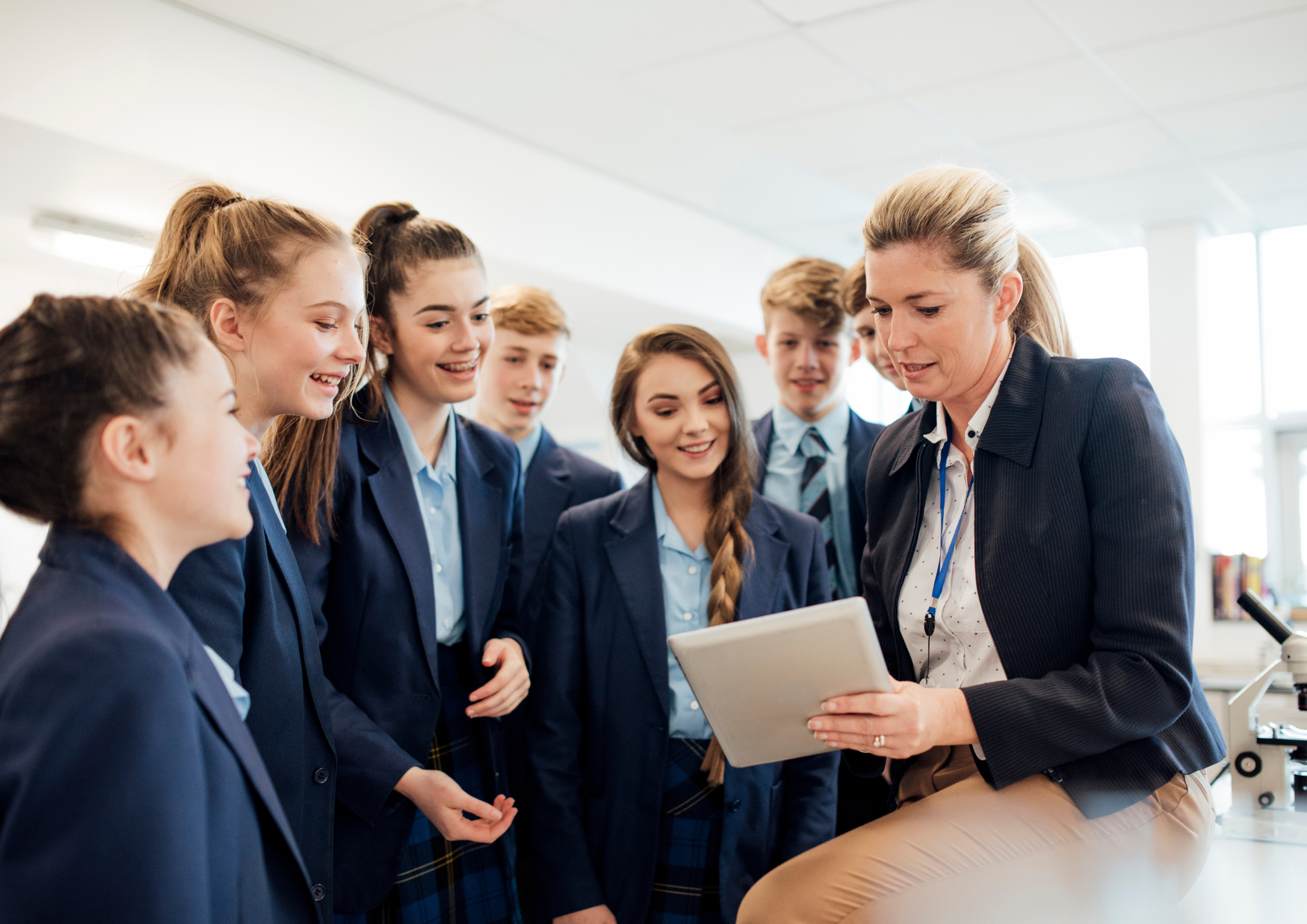
ASU and Dreamscape Learn take the seventh spot, launching two new mobile VR pods across the Pendergast district. Each pod seats sixteen students and rotates between twelve schools, giving children access to an immersive biology curriculum designed to shift science learning toward experiential, narrative-led exploration. Early ASU data has linked the approach to improved lab outcomes, and this rollout signals a bigger push to embed VR in mainstream STEM teaching.
6. Amazon names 63 new recipients in latest academic AI research awards
In at number five, Amazon’s spring 2025 Research Awards bring a wave of activity across AI security, agentic systems, advertising, infrastructure, and health. From projects probing LLM vulnerabilities to agent planning, multimodal reasoning, genomic analysis, and large-scale training on Trainium hardware, this cycle shows just how fast the academic landscape around AI is moving. With researchers spanning eight countries and Amazon pushing for code releases and workshop collaboration, the research themes landing this round will almost certainly shape the next year of AI discourse.
5. AWS lines up Trainium-powered chess workshop for NeurIPS 2025
Kicking off the top five, AWS is heading to NeurIPS with a hands-on workshop that uses chess to test how small language models handle reasoning and strategy. Attendees will fine-tune a Qwen-based model, compete on a live leaderboard, and see how Trainium accelerates training cycles. Emily Webber says chess offers “a great learning environment” for probing how models explain moves and handle rule-based thinking.
4. Alan Turing Institute secures £1m to advance AI tools for national security
In at number four, The Alan Turing Institute is leading a new EPSRC-funded project to develop AI systems that help intelligence analysts manage complex, time-sensitive data. The work focuses on explainable tools that support triage, prioritisation, and data acquisition under operational pressure. Dr Richard Walters says the aim is to strengthen analyst decision-making “whilst maintaining existing high legal and ethical standards.”
3. NYU brings maths, computing, and data science into a new Courant Institute School
Taking the third spot, NYU is restructuring its academic landscape by bringing mathematics, computer science, and data science together under a new Courant Institute School. The Center for Data Science becomes an independent department within the school, which aims to strengthen collaboration across STEM disciplines. Gérard Ben Arous will serve as the inaugural dean, with NYU calling the move a long-term step toward deeper scientific integration.
2. Stanford Law School launches online executive course on AI strategy
At number two, Stanford Law School is rolling out its first online executive course focused on AI governance, technical understanding, and organisational strategy for legal leaders. Participants will have access to Harvey.ai throughout the programme. Associate Dean Adam Sterling says the course is designed to help legal teams shift “from risk managers to strategic partners” as AI adoption accelerates across the sector.
1. OpenAI for Science shares early GPT-5 breakthroughs across multiple fields
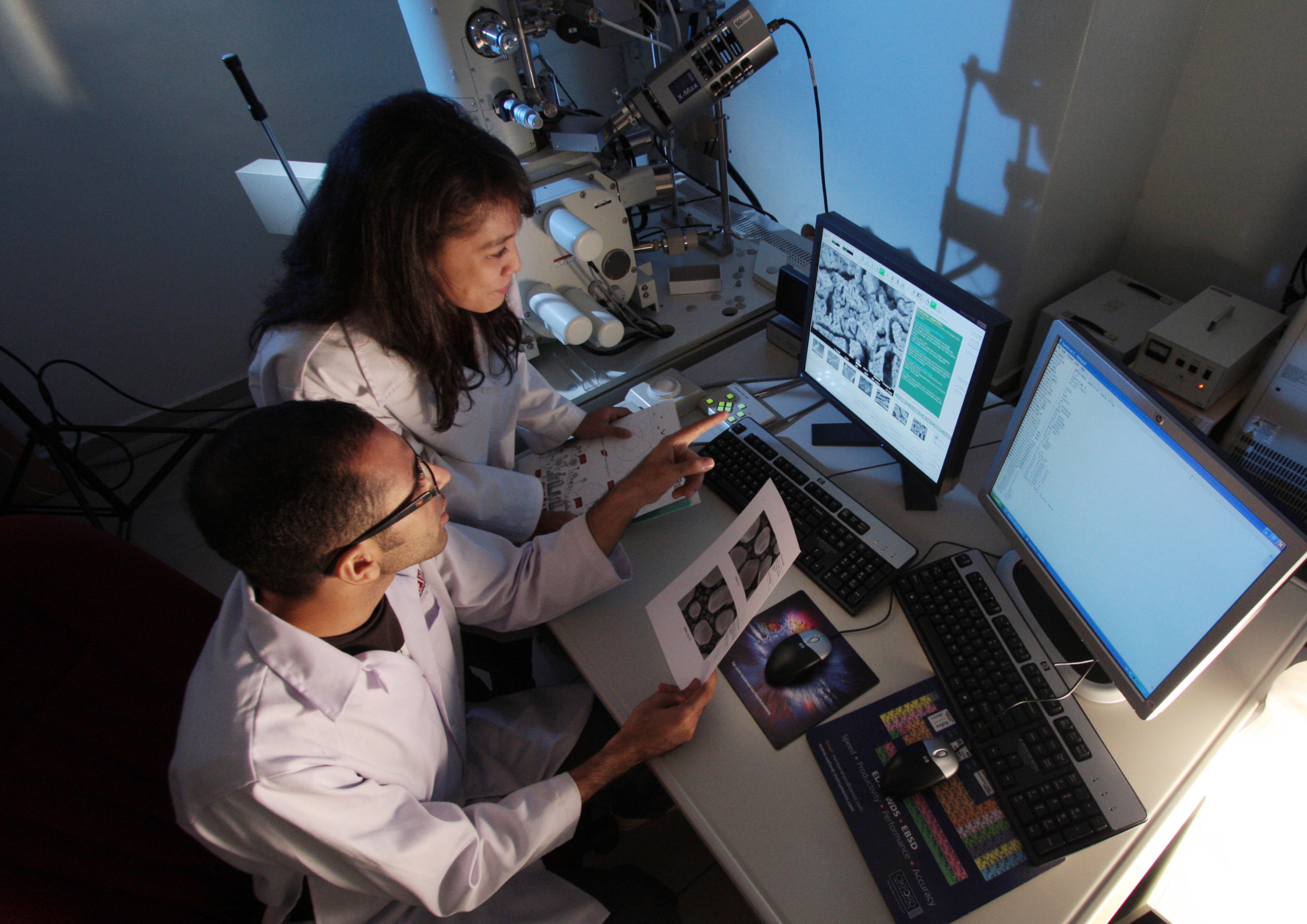
And taking the top spot this week, OpenAI for Science has released early research showing GPT-5 contributing to new mathematical proofs, analysing biological data, and supporting physics and computational modelling workflows. Kevin Weil describes the model as “an incredible brainstorm partner,” with researchers highlighting improvements in reasoning, literature search, and cross-disciplinary insight. The update hints at a step-change in how AI supports scientific discovery.