Anthropic AI Hackathon at UofT showcases emerging tools for behavioral support and solo AI development
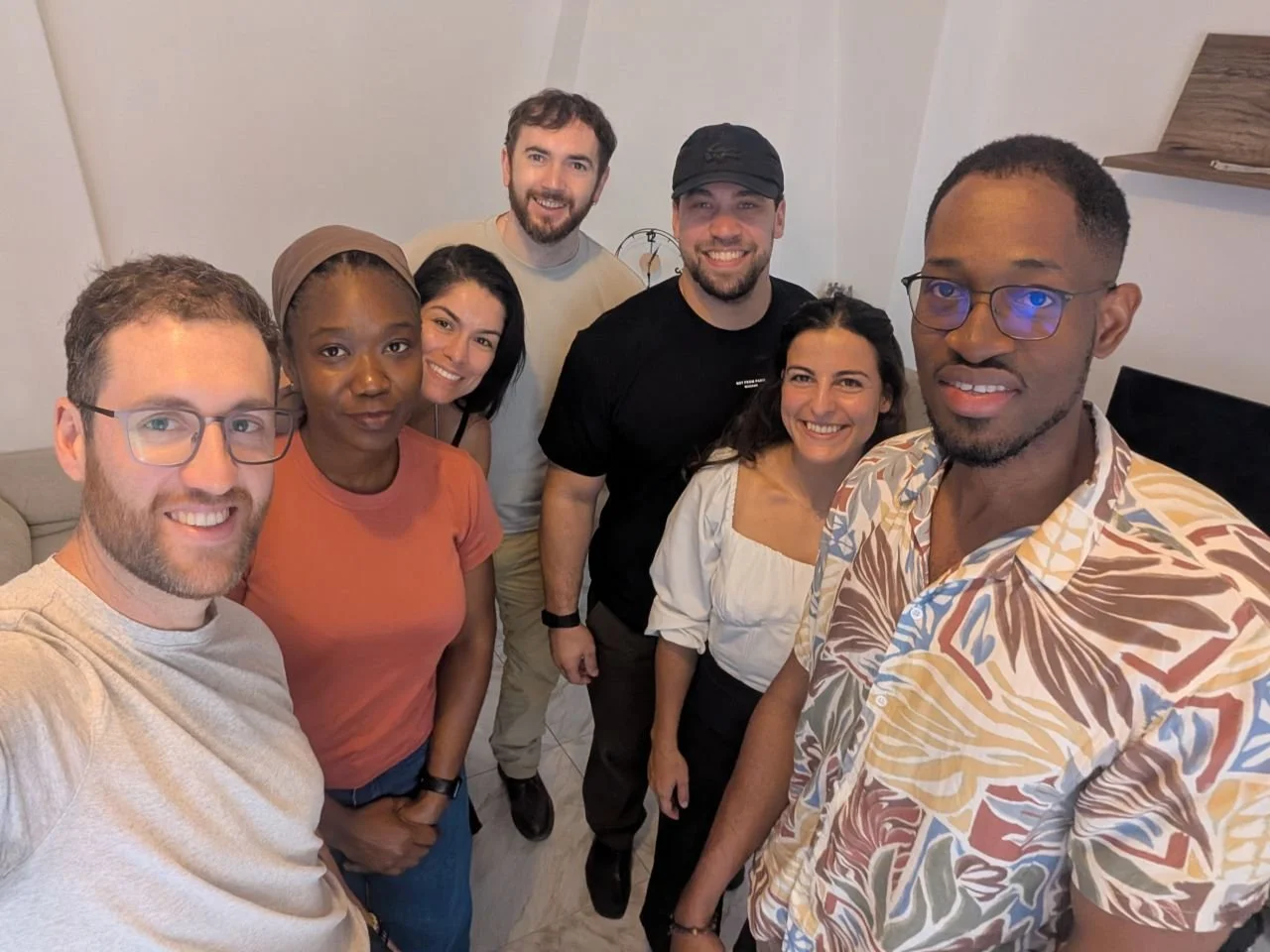
Participants at the Anthropic AI Hackathon at the University of Toronto took to LinkedIn to share prototypes exploring machine learning for autism support and solo-built AI systems.
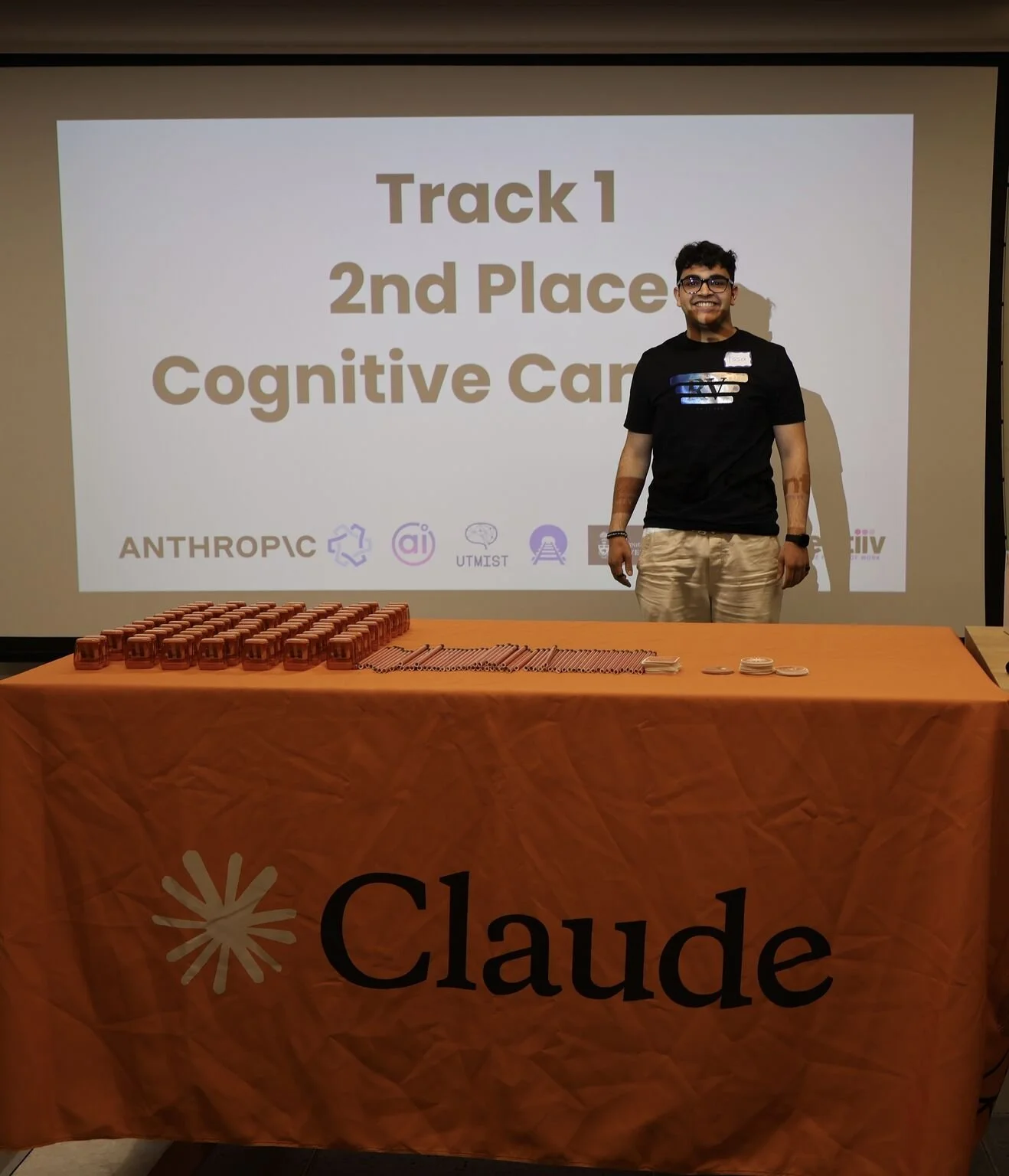
Photo credit:
The University of Toronto hosted an Anthropic AI Hackathon over the weekend, bringing together participants to build AI-driven tools using Claude and other machine learning workflows.
Anthropic is known for developing the Claude family of AI models, used for reasoning, analysis, and agentic tasks.
Waseh Niazi, an ABA therapist and data analyst, took to LinkedIn to describe a prototype developed with three collaborators. Their project, ABA Forecast, tested whether behavioral risk could be estimated using contextual variables commonly seen in applied behavior analysis sessions. The team trained a Random Forest Classifier using synthetic data and openly available datasets.
Niazi wrote that the model incorporates variables such as “sleep quality, time of day, transitions, toileting patterns, social context, and environmental conditions through a weather API.” Claude was then used to translate predictions into structured strategy suggestions aligned with ABA routines.
He added that the prototype “was developed in under 48 hours and is not a finished product,” but represents a direction for exploring how behavioral science and machine learning can intersect to create proactive tools for autism support.
Individual developers also tested end-to-end AI workflows
Alongside team-based projects, the hackathon also saw solo submissions. Full stack developer and data analyst Issa Al Rawwash took to LinkedIn to share that he placed second after building his entire system alone.
Reflecting on the experience, Al Rawwash wrote, “Every decision was mine. Every line of code was mine. Every pivot happened in real-time.” He described the pace and pressure of competing solo as an “ultimate test,” noting that presenting a complete build to judges was one of the most rewarding moments of his trajectory in tech.
The hackathon highlighted the range of AI applications entrants brought to the event, from behavioral support prototypes to solo-engineered systems built within the 48-hour window.
Niazi closed his post by inviting others working in ABA, autism services, health technology, or education technology to connect, writing “If anyone working in ABA, autism services, health technology, or education technology is exploring similar questions, I’d be glad to connect and discuss possibilities!”
The ETIH Innovation Awards 2026

The EdTech Innovation Hub Awards celebrate excellence in global education technology, with a particular focus on workforce development, AI integration, and innovative learning solutions across all stages of education.
Now open for entries, the ETIH Innovation Awards 2026 recognize the companies, platforms, and individuals driving transformation in the sector, from AI-driven assessment tools and personalized learning systems, to upskilling solutions and digital platforms that connect learners with real-world outcomes.
Submissions are open to organizations across the UK, the Americas, and internationally. Entries should highlight measurable impact, whether in K–12 classrooms, higher education institutions, or lifelong learning settings.