New research from the London Interdisciplinary School (LIS) has found that 38 percent of students say they would choose a completely different course if given the opportunity to redo their undergraduate decisions.

Ahead of A-level results day, LIS says their research shows many have regrets around choosing traditional, single-subject degrees and suggest a problem-led route could prevent regrets.
With this year’s grades expected to reach near pre-pandemic levels, LIS says students have more space to make a thoughtful decision and less need to rush into a course they will later regret choosing.
LIS’ research also found that 32 percent of students chose their course based on advice from parents and/or teachers that it was a “sensible” decision and 24 percent said they selected a subject they had excelled at in school, not because they liked or were interested in the topic.
The organization says its three-year Arts & Science: Interdisciplinary Problems & Methods course offers students an alternative way to apply ideas and tools from multiple disciplines to issues such as climate change, AI ethics, and inequality, without being forced to choose a single subject.
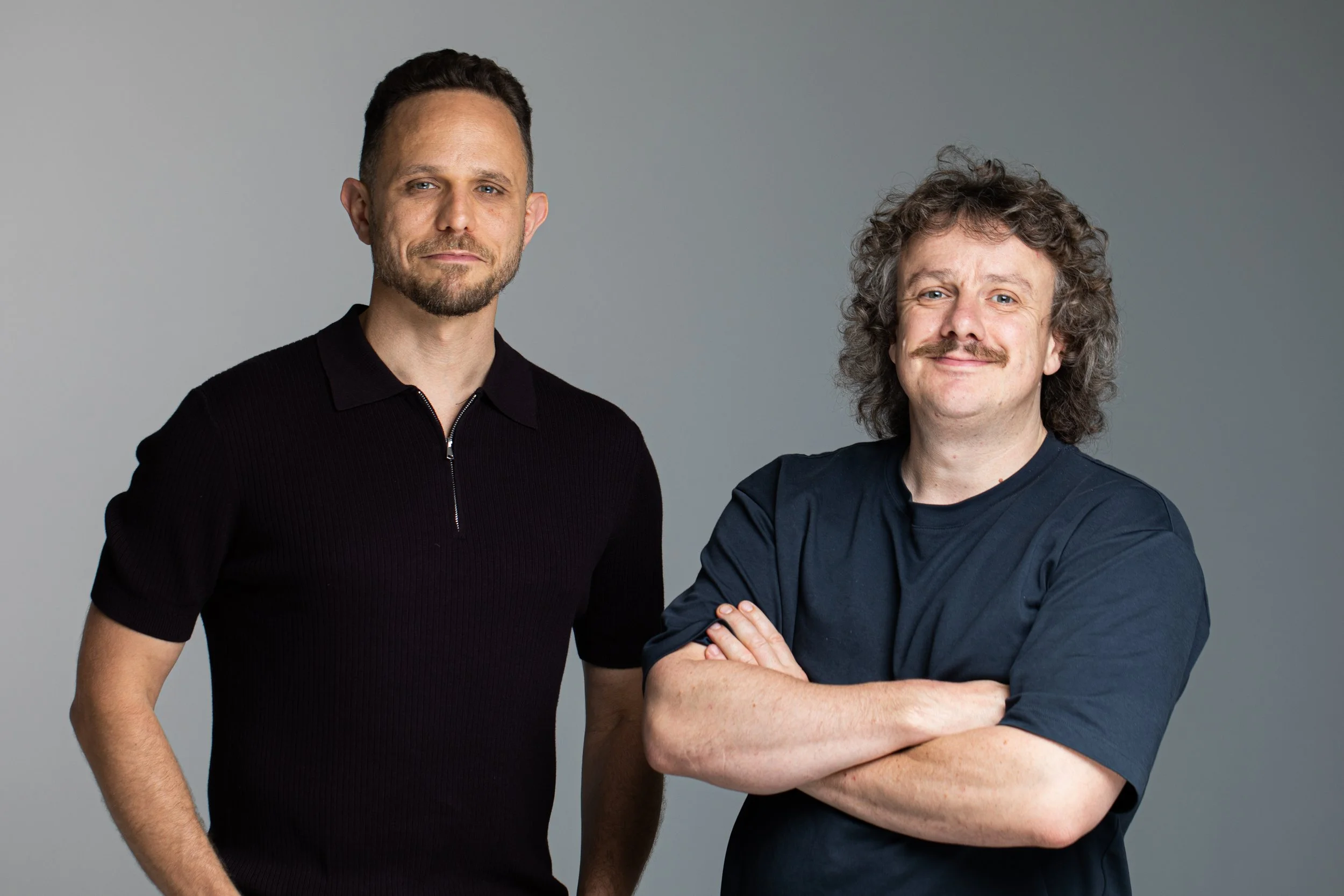
“There are a lot of young people that want to specialise, and there are a lot of young people who don’t. At the minute, in this country, they all have to specialise,” Ed Fidoe, CEO and Co-founder of LIS, explains.
“I remember being like this at school. I started with English, Maths, and Physics for my A-levels, but ended up dropping English, my favourite subject, because I was told it wasn’t necessary for a science or engineering path. It’s a shame because it narrowed my focus too early. Students come to us at open days saying they’re doing a ‘weird’ set of A-levels, like Art, Politics, and Physics. They’re told it’s unusual, but we think it’s exciting. Those combinations create the creative thinkers we need for the future."