Microsoft report shows AI buildout pushing emissions higher despite water gains
Microsoft’s 2026 Environmental Sustainability Report shows progress on water, renewable electricity and waste, alongside higher emissions from datacenter growth.

Microsoft’s 2026 Environmental Sustainability Report links AI infrastructure growth to higher emissions and new sustainability targets.
Microsoft has published its 2026 Environmental Sustainability Report, saying growth in cloud and AI infrastructure pushed total emissions up 25% year over year in FY25, even as the company reported gains on water replenishment, renewable electricity and waste reduction.
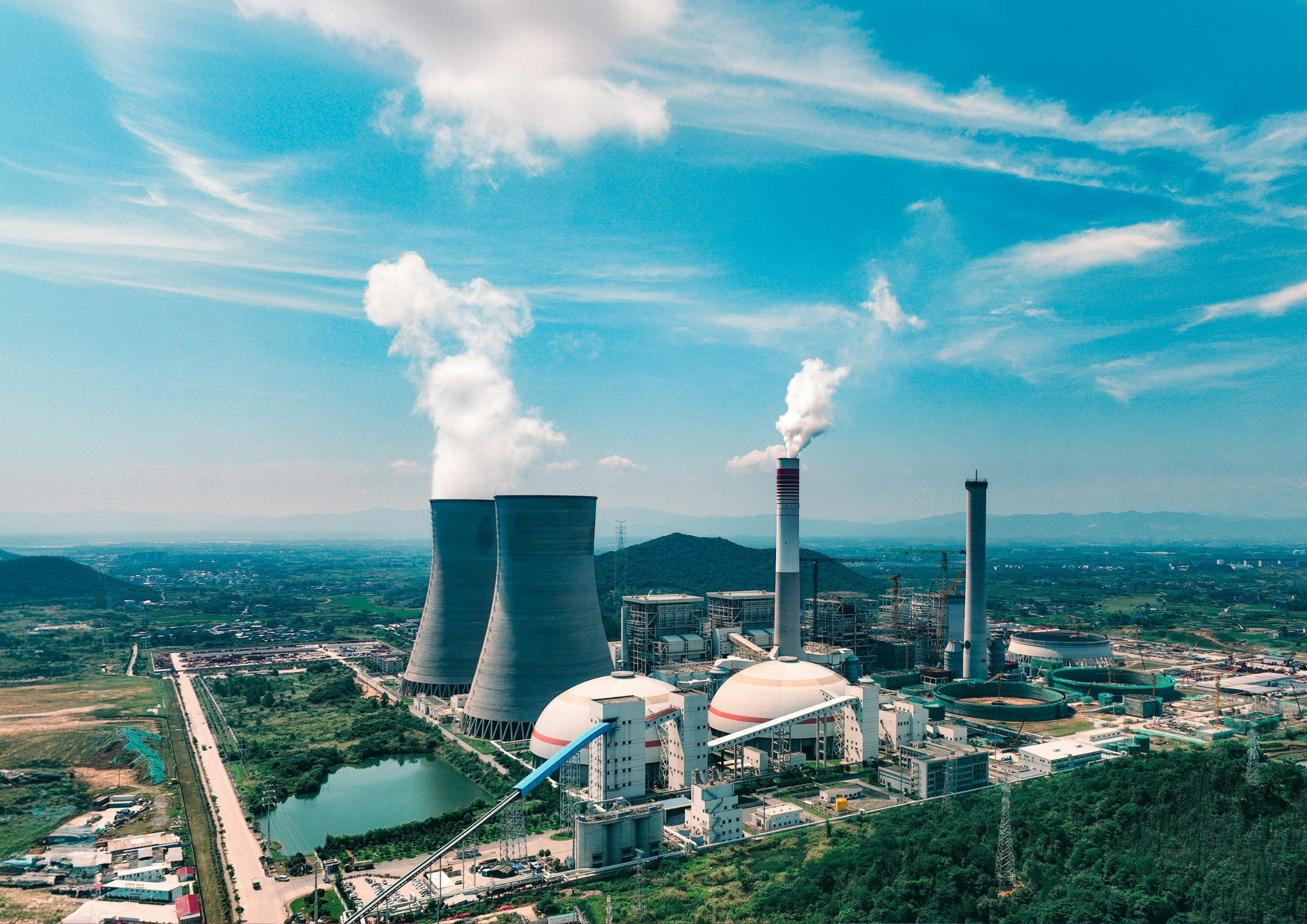
The report covers Microsoft’s global environmental sustainability performance during FY25 and sets out how the company is trying to manage the physical infrastructure behind cloud services, AI tools, Microsoft 365 Copilot, GitHub and other digital products used across work, learning and software development.
For education and workforce technology providers, the report is a useful look at the infrastructure cost behind AI in education, digital learning, developer tools and workplace AI. Microsoft said the expansion of AI is increasing demand for energy, water, land and materials, with datacenters now central to the company’s sustainability work.
Brad Smith, Vice Chair and President at Microsoft Corporation, linked the report to the company’s AI buildout in a LinkedIn post: “As AI expands, so does our responsibility to build infrastructure that supports both economic growth and the communities where we operate.”
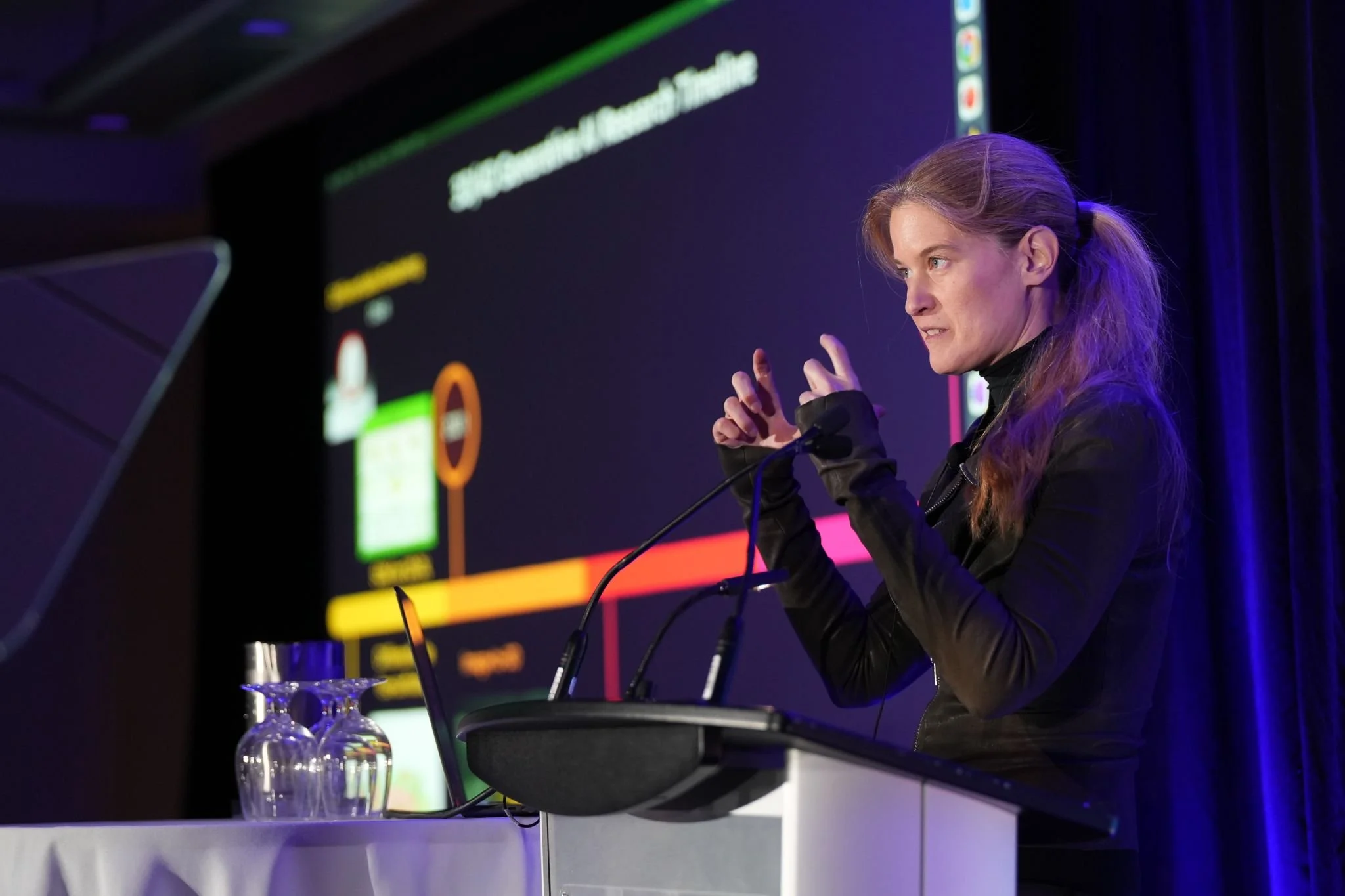
Melanie Nakagawa, Chief Sustainability Officer at Microsoft, also framed the report around AI infrastructure and responsible growth, saying Microsoft now views sustainability “not as a separate objective, but as a core part of how responsible growth is defined.”
Emissions rise as datacenter demand grows
Microsoft said its total Scope 1, 2 and 3 emissions increased 25% year over year, driven primarily by datacenter infrastructure expansion and a decision to pause the use of non-additional, unbundled renewable energy certificates.
The company said that decision increased reported emissions in the near term, but was intended to prioritize investments that bring new carbon-free electricity to grids rather than relying on certificates alone.
Scope 3 remained the largest share of Microsoft’s footprint, but Scope 2 emissions rose to 13% of total emissions, up from nearly 2% the previous year. Microsoft linked that shift to the growing role of energy systems as cloud and AI services scale.
Smith said the tradeoff was not between AI and environmental work: “The challenge ahead isn’t choosing between AI and sustainability. It’s making sure we advance both together.”
Microsoft said it matched 100% of its annual global electricity consumption with renewable energy in FY25. The company also said its renewable energy agreements now cover up to 40GW of new renewable energy across 26 countries, with 19GW online.
Water and waste targets move forward
Water was the strongest progress area in the report. Microsoft said it replenished more than 14.2 million cubic meters of water in FY25, surpassing global water withdrawals for the first time.
Smith said Microsoft had “improved the water-use efficiency of our datacenters by nearly 90% compared to our earliest designs, and replenished more water globally than we withdrew.”
The report gives a more recent benchmark for owned datacenters, saying Microsoft achieved a global average water usage effectiveness of 0.27 L/kWh in FY25. That represents a 25% reduction from the company’s 2022 baseline, moving toward a 40% reduction target by 2030.
Microsoft said its new liquid cooling systems are expected to avoid more than 125 million liters of water per year per datacenter. The company also funded 24 new water replenishment projects in FY25, which are expected to provide more than 29 million cubic meters of water benefit over their lifetime.
On waste, Microsoft reported a 92% reuse and recycling rate for decommissioned cloud hardware, exceeding its 90% target for the second consecutive year. It also diverted 90.5% of construction and demolition waste from landfills and incinerators, and reduced single-use plastics in primary product packaging to 0.07% across its global portfolio by the end of calendar year 2025.
Microsoft connects sustainability to AI skills and developers
Microsoft’s Community-First AI Infrastructure plan, initially launched in the United States, focuses on electricity, water, skilling and community investment in areas where AI infrastructure is being built.
For local communities, Microsoft said that includes working with jurisdictions so datacenters do not increase electricity prices for customers, minimizing water use, replenishing water in priority regions and investing in local hiring, workforce development, AI skills and nonprofit support.
The report also connects Microsoft’s sustainability work to developers. The GitHub Climate Action Plan for Developers, launched in 2025, brings together more than 60,000 open-source green software and climate-focused repositories. Microsoft said the plan is intended to help developers reduce the climate impact of their own projects.
Microsoft also highlighted Azure guidance for sustainable AI workloads, including model design, data design and operations. The guidance encourages developers to use smaller or pretrained models where appropriate, improve data quality, reduce unnecessary data processing and deploy workloads in lower-carbon regions where possible.
The company also reported several AI for sustainability projects. Microsoft said nearly one in five of its water projects used AI in FY25 to optimize outcomes, including leak detection and efficiency improvements. It developed Water Copilot with the International Water Management Institute for the Limpopo River basin in South Africa, combining Microsoft cloud and AI technologies with a digital twin of the basin’s water cycle.
Environmental data moves into learning tools
Microsoft also pointed to the role of environmental data in research, policy and teaching. The Planetary Computer now contains more than 80 petabytes of Earth data from more than 140 sources and was accessed an average of 24 billion times each month in 2025. The platform is used to make Earth observation, geospatial, climate and energy data easier to find and apply, with Microsoft citing use cases across biodiversity, climate, urban planning, resource management and disaster response.
That data work extends into tools used by researchers and education-adjacent organizations. Microsoft said Esri’s ArcGIS Living Atlas of the World uses analysis-ready imagery from the Planetary Computer, including NASA Landsat and ESA Sentinel datasets, to support mapping and analysis across areas such as biodiversity, climate and urban planning. Microsoft also launched Planetary Computer Pro in 2025, a platform for organizations that want to use geospatial data with applied AI inside existing IT systems.
For younger learners, Microsoft highlighted Minecraft Education as one route for turning sustainability content into digital learning. Planet Pigeon, created in 2025 with PBS Nature, uses a pigeon’s-eye view of urban ecology to show how wildlife adapts to human habitats. The experience asks players to engage with issues including food waste, city wildlife and coexistence with nature, placing environmental learning inside a game-based format rather than a static lesson.