OpenAI introduces ChatGPT for Teens with Study Hours and stronger safeguards
ChatGPT for Teens automatically applies a separate set of learning and safety features to users aged 13 to 17, including Study Hours, homework redirects and parental controls
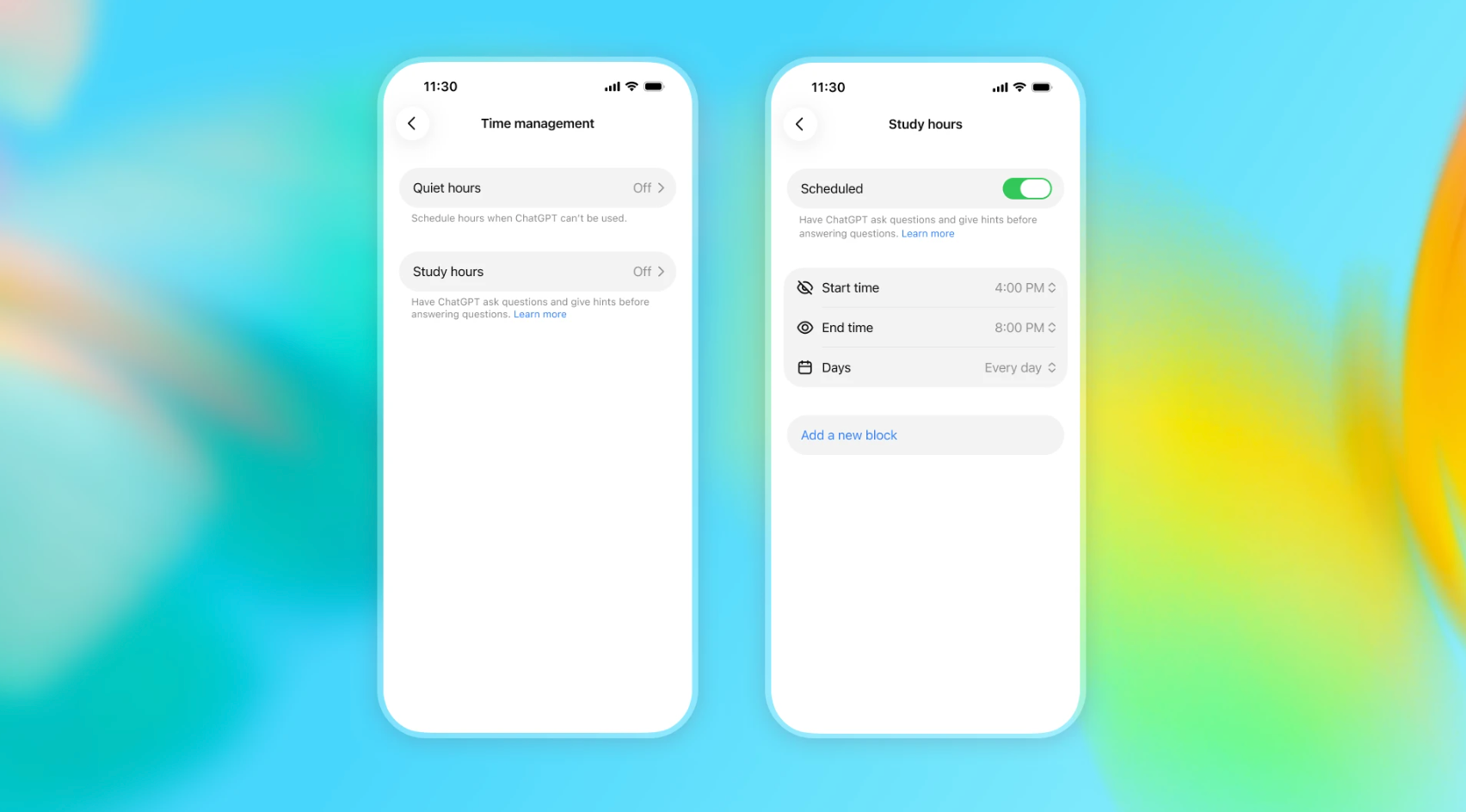
ChatGPT for Teens includes scheduled Study Hours that can place Study Mode on by default during selected times
OpenAI is separating teenage users from the standard ChatGPT experience, automatically placing people aged 13 to 17 into a version of the product with different learning features, behavioral rules and safety protections.
ChatGPT for Teens applies when a user states that they are between 13 and 17 or when OpenAI's age-prediction system estimates that they are under 18.
That automatic routing is the most significant part of the launch. Teen protections are no longer presented simply as individual settings that families or young users have to find and activate. They sit inside a distinct default experience designed around how OpenAI expects teenagers to study, interact with the model and use it over longer periods of time.
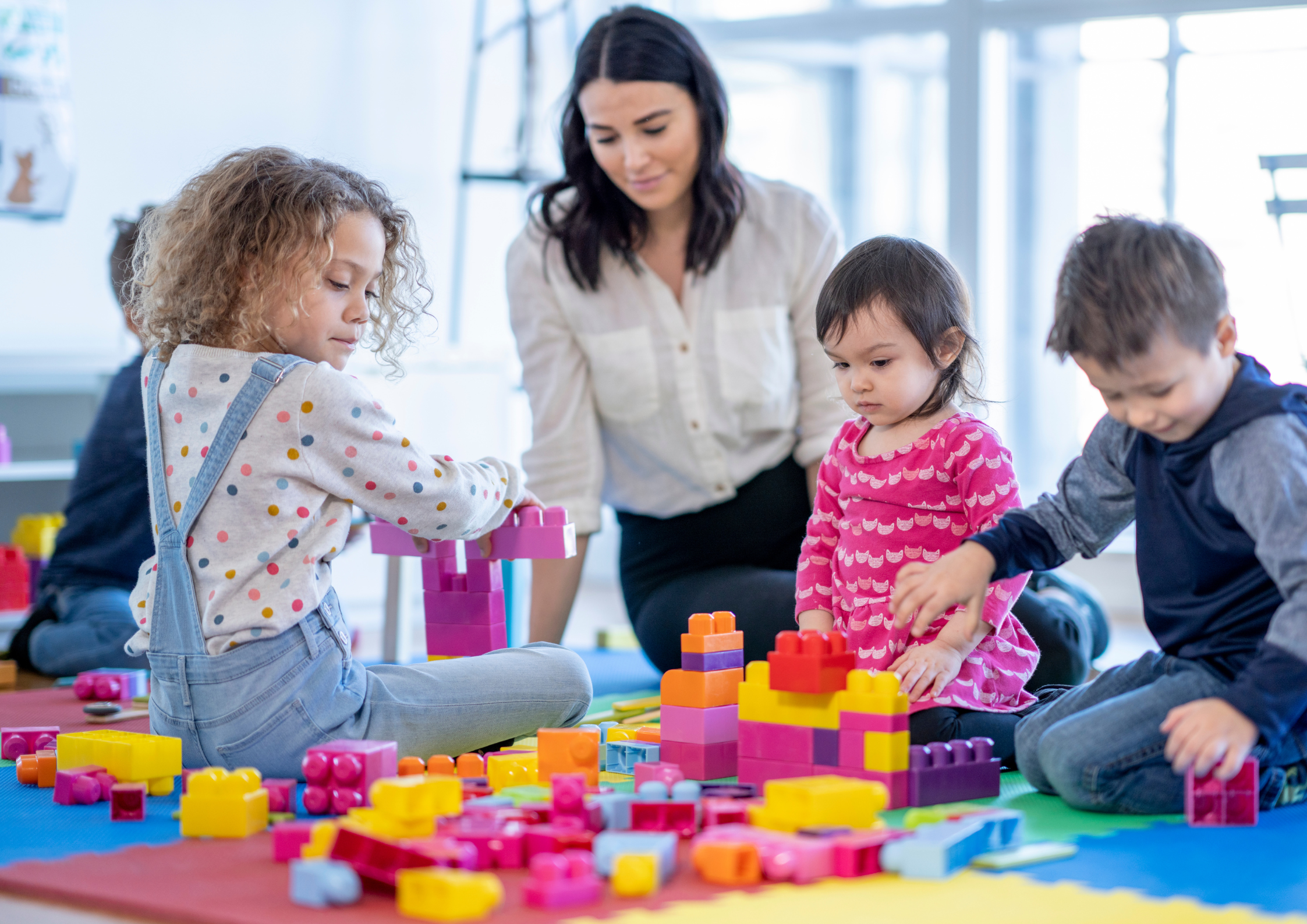
ChatGPT for Teens can redirect students away from asking for quick homework answers, place Study Mode on by default during scheduled periods and use quizzes, visualizations and step-by-step prompts to keep students working through a problem rather than simply generating a response for them.
OpenAI is also applying additional restrictions in areas including self-harm, eating disorders, violence, dangerous activities and sexual content, while setting more explicit boundaries around the way ChatGPT communicates with younger users.
From answering homework to managing how students study
OpenAI has already offered Study Mode, but ChatGPT for Teens builds more of that learning behavior directly into the product.
One new feature, Responsible Homework Reminder, is intended to identify situations where a student appears to be trying to shortcut an assignment. Instead of simply continuing with the requested answer, ChatGPT can direct the student toward Study Mode and work through the problem collaboratively.
Study Mode itself uses guiding questions, scaffolding, metacognitive prompts and knowledge checks rather than giving an immediate solution.
The addition of Study Hours makes that approach schedulable. Teenagers or their parents can set periods when Study Mode should become the default, selecting start and end times and choosing the days on which it applies.
Quizzes and Learning Visualizations are also part of the teen experience, giving students additional ways to practice and work through material.
OpenAI positions the product primarily as support outside the classroom, particularly when a student does not have another person available to help with a question. It continues to position ChatGPT for Teachers separately for educator and school district use.
Racquel Gibson, a high school math teacher in Miami, says: “Not every student has someone at home who can help when they get stuck or have questions with their homework. With the right guardrails, AI can help fill that gap. Tools like Responsible Homework Reminder can guide students step by step, helping them understand their mistakes, build confidence, and keep learning—not simply hand them an answer. That kind of individualized support can make a meaningful difference for students who want to succeed but don’t always know how to move forward.”
OpenAI also points to an early evaluation of Study Mode that it says showed promising gains in student performance. No performance figures are included in the ChatGPT for Teens announcement.
Safety rules extend to the relationship students have with AI
Some of the more consequential changes sit outside conventional content moderation. OpenAI says ChatGPT for Teens should not use romantic language with users under 18, encourage emotional dependence or imply that it has feelings or consciousness.
That makes the teen experience partly about limiting how the system presents itself, not simply which subjects it will discuss.
Break reminders are intended to encourage teenagers to step away from ChatGPT, while product cues continue to identify it as an AI system. Sensitive-image upload reminders warn teenagers against sharing private or sensitive pictures.
Teen-specific onboarding will also introduce the learning and safety features available from the point a young user enters the product.
Parents with linked teen accounts retain separate controls. These include the ability to set Quiet Hours, manage selected settings and receive notifications in limited high-risk situations. OpenAI is also adding notifications related to eating disorders.
The company says those alerts are intended for circumstances where offline support may be particularly important, while limiting the information shared with parents.
OpenAI has begun publishing under-18 evaluations in its system cards covering areas including self-harm, eating disorders, violence, age-restricted goods and services, and sexual content. The evaluations are intended to show how its models perform against standards developed specifically for teen users.
OpenAI adds AI literacy partnership with CodeAI
OpenAI has also announced a partnership with CodeAI focused on helping students and educators understand how AI works and how to question, direct and create with the technology.
The organizations say teachers will have a role in shaping how AI is introduced in classroom settings.
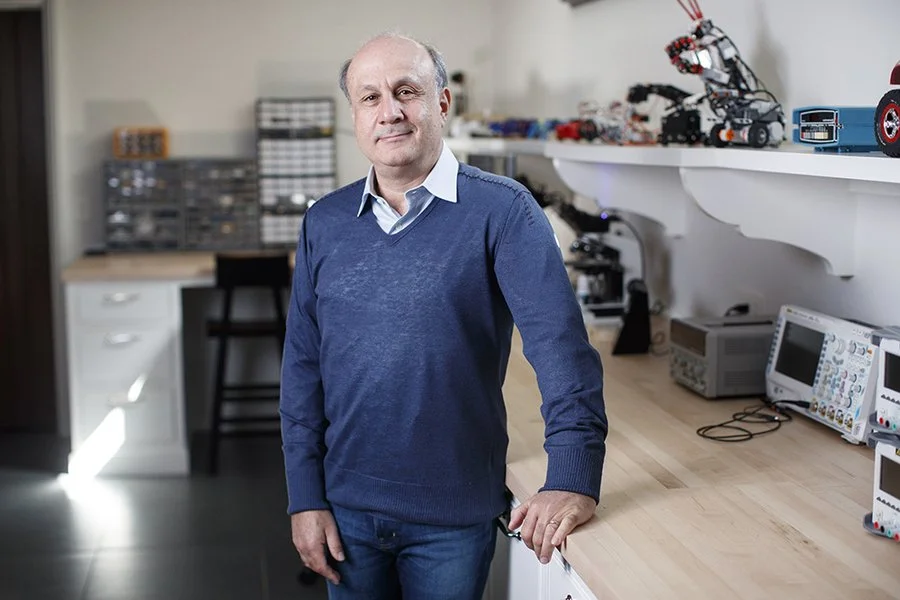
Karim Meghji, CEO of CodeAI, says: “Every student should know how AI actually works and be able to question the technology, catch its mistakes, and know when to stop trusting it. Give them that foundation, and AI becomes less a force shaping their future and instead something they can question, shape, and create on their own.”
That emphasis on questioning AI sits alongside the learning design inside ChatGPT for Teens. OpenAI is not positioning the product simply as a faster route to answers, but as an environment in which the model is expected, in some circumstances, to resist the student's original request and redirect them into a different type of interaction.
The success of that approach will depend in part on how reliably age prediction identifies younger users and how teenagers respond to being placed into the separate experience. OpenAI does not provide performance figures for age prediction in the launch announcement.