Former US Surgeon General Vivek Murthy to lead Common Sense Media’s youth AI safety push
The Youth AI Safety Institute is building standards, testing AI products and publishing risk results as children increasingly use AI for search, homework and companionship

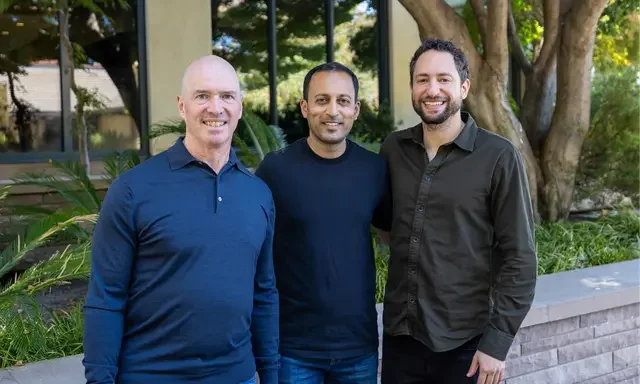
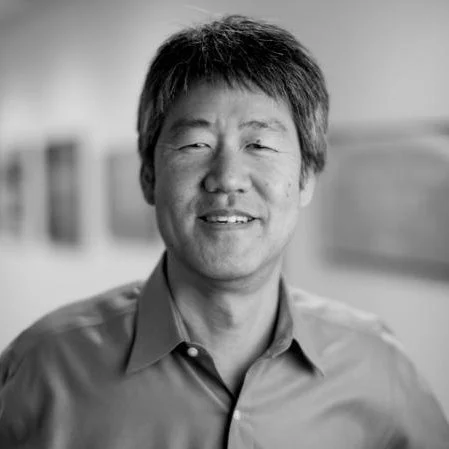
Former US Surgeon General Dr. Vivek Murthy has been named by Common Sense Media to lead its Youth AI Safety Institute
Common Sense Media has named former US Surgeon General Dr. Vivek Murthy to chair its Youth AI Safety Institute, putting a public health figure with a track record on youth technology and mental health at the center of its work assessing AI products used by children.
The institute is taking an approach it describes as “crash-testing AI,” developing child-safety standards, evaluating products against them and publishing scorecards and risk assessments for families, educators, policymakers and the technology industry.
Murthy served twice as Surgeon General of the United States, from 2014 to 2017 and again from 2021 to 2025. During his second term, his work included an advisory examining social media and youth mental health.
He has also served on the Common Sense Media Board of Directors since October 2025.
Jim Steyer, Founder and CEO of Common Sense Media, positioned Murthy’s appointment around that experience in a LinkedIn post: “As the Former Surgeon General, he brings the experience we need to keep kids safe in the age of AI.”
Murthy calls AI risks to children a ‘today problem’
Murthy’s remit comes as Common Sense Media expands its focus from assessing digital media and technology for families into independent testing of AI systems.
His argument is that attention to extreme future AI risks should not eclipse problems that may already be affecting children.
In comments shared by Common Sense Media on LinkedIn, Murthy put it plainly: “While we must do everything in our power to prevent catastrophic AI risks that threaten humanity's survival, we must also recognize the urgent threat already in our midst: the risk that AI already poses to kids and families. This is a today problem, not a tomorrow problem.”
The institute’s work spans six areas: research, standards, industry commitments, product evaluation, publication and awareness.
Research is being developed with clinicians and child development specialists examining how AI affects areas including learning, attention, social-emotional development and well-being.
The institute then intends to turn that work into safety standards, test AI products against them and publish the results.
That last step is central to its model. Common Sense Media says scorecards and risk reports will be made public rather than kept within the companies whose products are being assessed.
Children are already using AI for homework, search and companionship
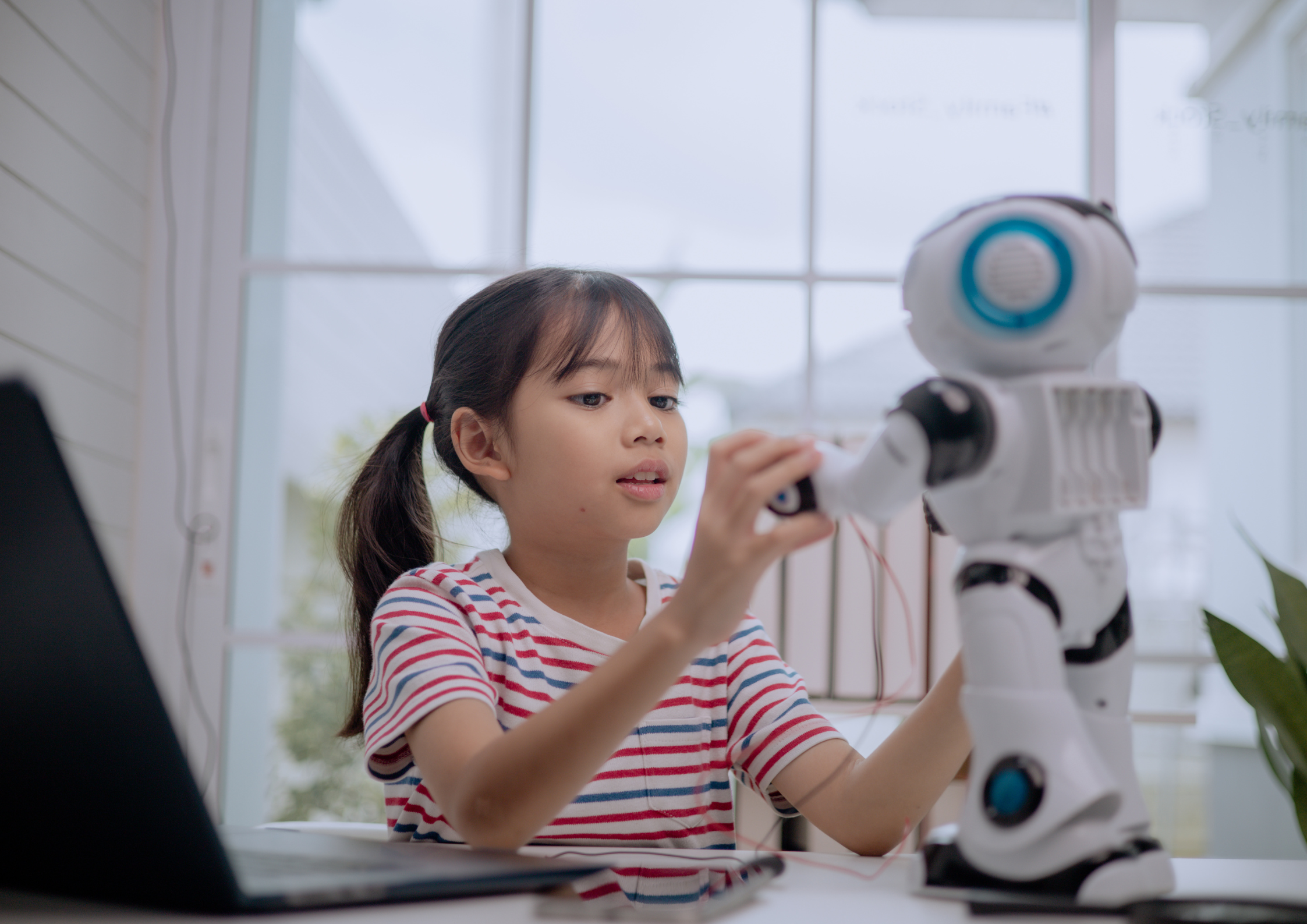
The appointment lands against data showing AI already embedded in many young people’s daily lives.
Common Sense Media’s 2026 Generation AI research found that 59% of children and teens use AI to search for information or facts, while 55% use it for help with homework assignments.
Its 2025 research found that more than half of American teens regularly chat with an AI companion.
The Youth AI Safety Institute also cites research from the Center for Democracy & Technology finding that 42% of students use AI for mental health support, as a friend or as a way to escape from real life.
Common Sense Media argues that this level of use has developed faster than the systems for independently assessing what those products may mean for children at different developmental stages.
Robbie Torney, Head of AI & Digital Assessments, compares the aim with established consumer safety systems.
“As a culture, we know how to build safety infrastructure for industries that impact kids,” he says. “We've done it with seat belts and car seats, with baby food and toys. It takes research, shared standards, independent testing, and serious long-term commitment from the industry to work.”
OpenAI and Anthropic are among the institute’s funders
The institute is working with organizations including Stanford Medicine Brainstorm, Humane Intelligence, Transluce, Harvard University’s Berkman Klein Center, Crisis Text Line and Faculty AI.
Its advisory group also brings together figures from public health, education and technology, including former California Surgeon General Dr. Nadine Burke Harris; former Apple AI executive and Google search and AI chief John Giannandrea; State University of New York Chancellor and former US Secretary of Education John King Jr.; University of Michigan Medical School professor Dr. Jenny Radesky; and Stanford University computer science chair Mehran Sahami.
Anthropic and the OpenAI Foundation are listed among its industry-related funders, alongside Pinterest. Its philanthropic backers include the Bezos Family Foundation, William and Flora Hewlett Foundation and Walton Family Foundation.
Common Sense Media acknowledges that some funders produce AI products the institute may test. It says the Youth AI Safety Institute retains responsibility for its standards, research and evaluations and maintains editorial independence over published findings.
Its model now puts Murthy at the center of an effort intended to move youth AI safety from broad principles into measurable standards, product testing and publicly available results.