Cambridge-backed AI startup Zenithon raises $10m to accelerate fusion, aerospace and chip design
The company emerged from King’s College Cambridge’s SPARK incubator and is developing physics-grounded AI models designed to make complex engineering simulations dramatically faster
Zenithon has raised $10 million to develop AI models for complex physics and engineering simulations
Zenithon, an AI startup that emerged from King’s College Cambridge’s first SPARK incubator cohort, has raised $10 million to develop machine learning models for some of the most computationally demanding problems in fusion, aerospace and semiconductor engineering.
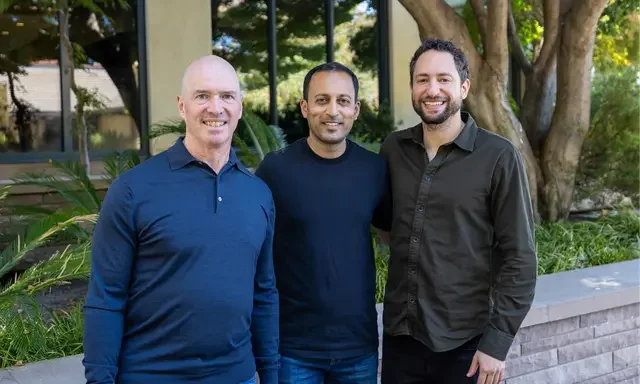
The funding comes from BACKED, Lunar, Seraphim, MMC and SOSV, alongside founders and hyperscaler directors.
Zenithon is developing what it calls world models for extreme physics: physics-grounded machine learning systems intended to speed up the simulations engineers use to test designs before building them.
The company says its technology is designed to search one million potential design points in the time conventional simulation methods would take to run one, with possible applications spanning fusion reactors, rockets and semiconductor fabrication.
That performance claim comes from Zenithon and is not accompanied in the announcement by independent benchmarking or technical results.
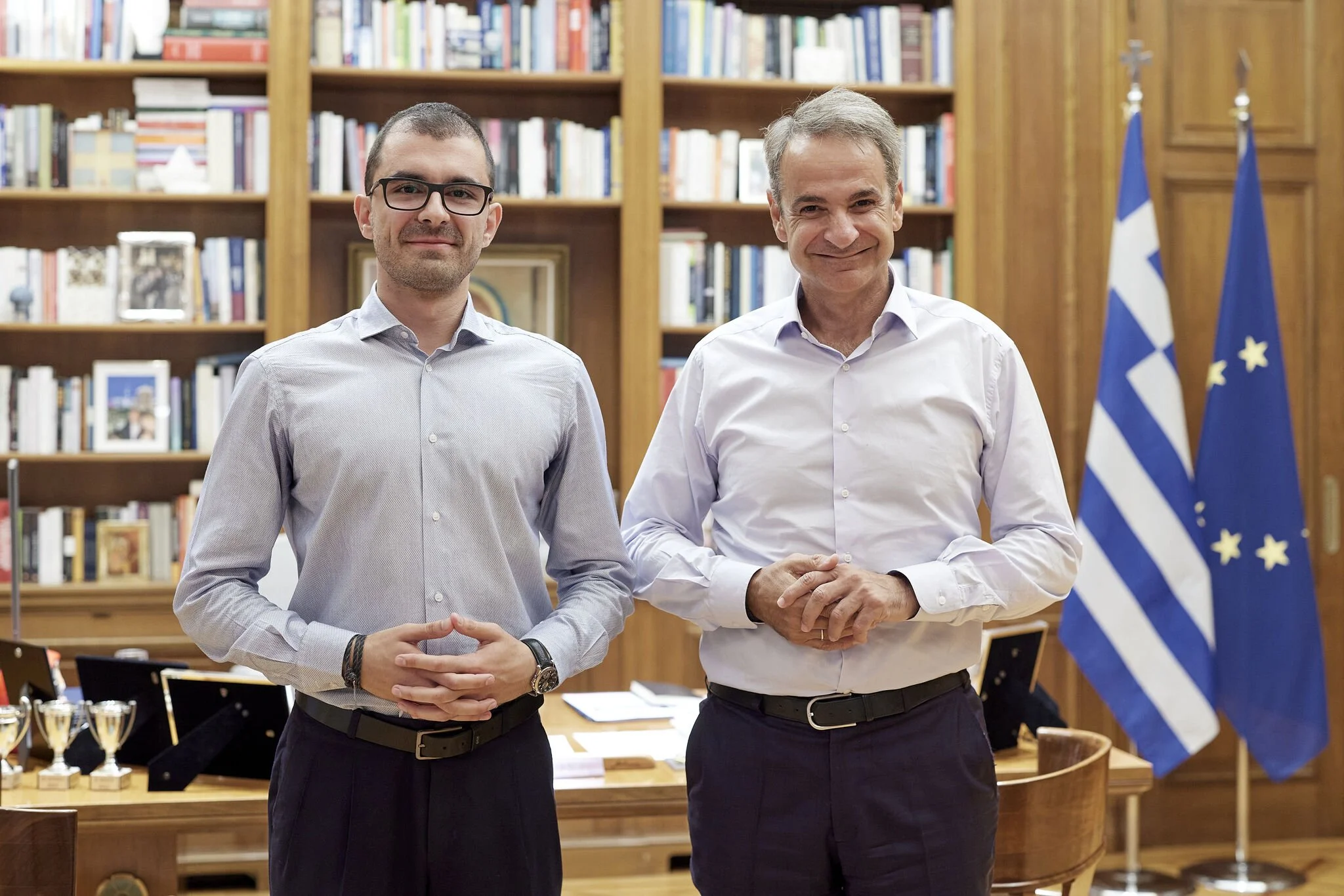
Founder and CEO Alex Higginbottom joined the inaugural SPARK program as a solo founder when the company was still at an early stage.
From Cambridge incubator to $10m funding
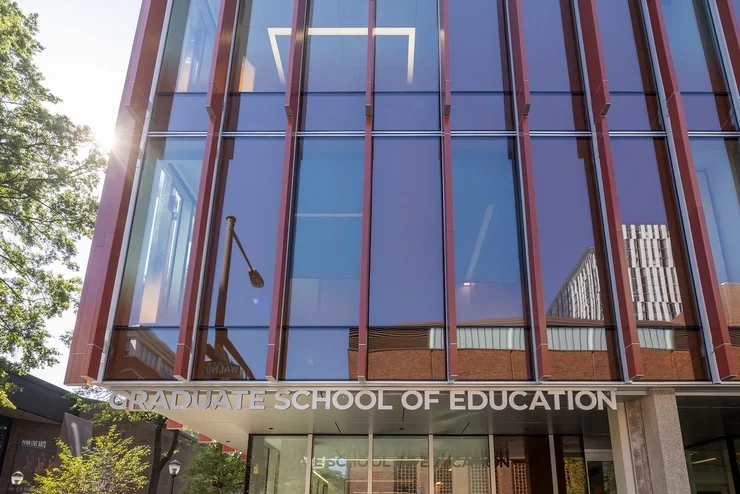
SPARK is run by King’s Entrepreneurship Lab at King’s College, Cambridge, and supports early-stage founders working to turn technical ideas into investment-ready businesses.
Its first cohort included 23 ventures drawn from 17 University of Cambridge departments, working across areas including AI, life sciences, climate technology, nuclear fusion, semiconductors and electric vehicles.
Higginbottom describes joining the program before Zenithon had developed into a wider company: “I joined SPARK right at the start of Zenithon, when I was still a solo founder.”
The value, he says, was partly in learning how to move beyond the technical idea. “There are a thousand things to learn as a founder, and through SPARK I found camaraderie with others on similar journeys, as well as invaluable help mapping out the unknown unknowns.”
SPARK has since returned for a second cohort. The incubator is open to University of Cambridge students, researchers and recent alumni, alongside Anglia Ruskin University students and researchers. It combines mentoring, commercialisation support and access to investors and the wider Cambridge entrepreneurship network.
Zenithon targets costly engineering simulation
Zenithon’s focus is narrower than the broad generative AI market. Its models are being developed for engineering problems where physical simulation can be slow and computationally expensive, particularly in industries such as fusion, hypersonics and semiconductor manufacturing.
BACKED investor Alex Brunicki argues that current simulation and design methods remain a bottleneck in those sectors and says Zenithon is developing “SOTA Foundation Models for extreme physics.”
He adds: “We believe Zenithon will have a profound impact on these industries and are thrilled to be partnering with this exceptional team.”
The announcement does not disclose Zenithon’s valuation or specify the type of funding round.
For King’s E-Lab, the raise is also an early test of whether SPARK can move ventures from university-linked technical work toward external investment.
Francesca Hodgson, Programme Director of SPARK at King’s, points to Zenithon’s progress since the first cohort: “One cohort member raising $10 million within 12 months of completing the programme shows the difference programmes like SPARK can make.”
The incubator now continues with SPARK 2.0, supporting another group of early-stage founders from across the Cambridge ecosystem.