How Coram brings AI to physical security in K-12
Walk into almost any school, hospital, or campus today and you'll find a familiar setup: cameras in one place, door readers in another, a visitor sign-in tablet at the front desk, and an emergency plan that lives somewhere in a binder. Each piece works. The problem is that none of them really talk to each other.
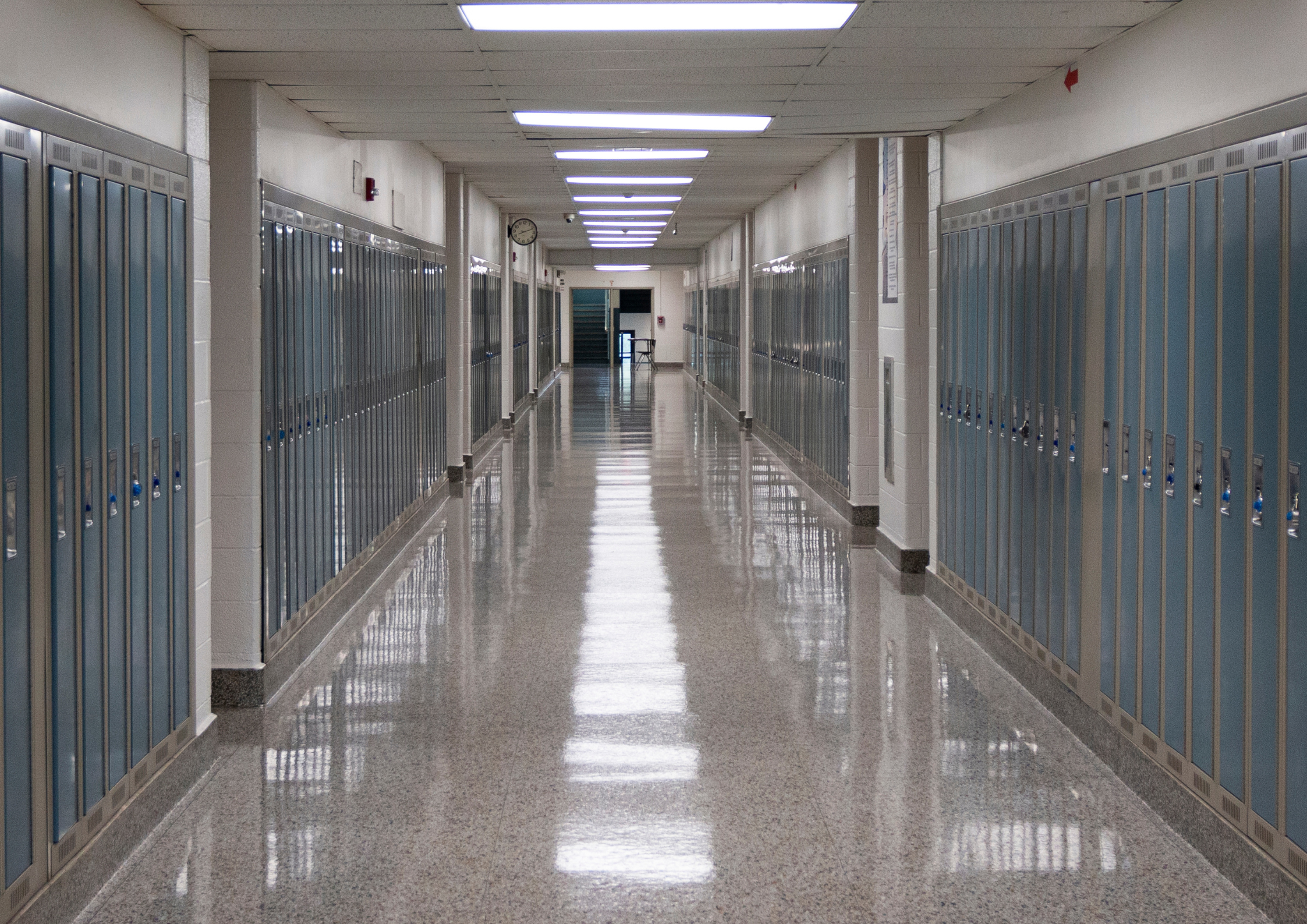
That gap matters more than it used to. When something goes wrong, a security team's first few minutes are usually spent stitching information together by hand. Which camera covers that hallway? Who badged in through the side door at 2:14? Is the person at the front desk supposed to be here? By the time those answers come in, the moment to act has often already passed.
This is the problem a company called Coram has been working on, and the way it's approached it says a lot about where physical security is heading. Instead of selling another camera or another app, Coram has built what it calls a unified physical security platform, with AI doing the work of connecting the dots that people used to connect manually.
It's worth unpacking what that actually means, because "AI-powered security" gets thrown around loosely, and most of the time it's marketing dressed up as innovation.
The real problem isn't a lack of cameras
Most organizations don't suffer from too few security tools. They suffer from too many that don't work together.
A typical mid-sized school district might run video from one vendor, access control from another, a separate visitor management system, and a panic-button setup bought after a board meeting where safety came up. Every one of those was a reasonable decision at the time. Together, they create a kind of operational fog. Information exists, but it's scattered, and no single person can see the whole picture quickly.
Coram's starting argument is that the fix isn't more software. It's fewer, connected systems. The company brings video, access control, visitor check-in, and emergency management into one platform, so that a door event, a camera feed, and an alert are all part of the same story rather than four separate ones you have to assemble under pressure.
That sounds simple. In practice, it's the hard part, and it's where the AI earns its place.
What the AI is actually doing
Here's where it helps to be specific, because the interesting work is happening quietly in the background.
Across all those connected cameras and doors, Coram's AI is continuously watching for things worth flagging: a firearm, an unauthorized entry, someone moving through a space in a way that doesn't fit. When it spots something, it doesn't just fire off a generic alert. It can pull up the relevant camera feed automatically and push a notification to the right people in seconds rather than minutes.
The other place the AI shows up is in investigations, which is the unglamorous reality of most security work. Traditionally, reviewing footage means scrubbing through hours of video hoping to catch the right frame. Coram lets staff search footage using plain language, the way you'd ask a colleague: find the person in the red jacket near the gym entrance this afternoon. What used to take hours of manual review can take minutes.
It's a useful reminder that the most practical AI in security isn't dramatic. It's the kind that quietly removes the busywork standing between a team and a fast, accurate response.
Why this matters for schools specifically
Education is where a lot of this comes into sharp focus, and not by accident.
Schools are dealing with real safety pressure, tighter regulations, and budgets that rarely stretch to a full equipment overhaul. Many states now have requirements like Alyssa's Law, which pushes districts toward silent panic alarms that connect directly to emergency services. Meeting those mandates with a pile of disconnected systems is genuinely difficult.
A unified approach changes the math. When a threat is detected, staff can trigger a coordinated response, lock the right doors, alert the right people, and give first responders a live picture of what's happening, from a phone or a tablet, in about a second. The reunification process afterward, matching students safely with parents, can run through the same system instead of being improvised.
For schools, the appeal isn't the technology for its own sake. It's that coordination during the worst possible moment stops depending on whether the right person happens to remember the right step.
The part most buyers actually care about
There's a practical detail that tends to decide these conversations, and it's worth being honest about it.
Most security upgrades stall on cost and disruption. Rip out everything, install new proprietary hardware, retrain everyone, and hope the budget survives the process. That's a hard sell for a school board or a facilities director, and reasonably so.
Coram's pitch leans the other way. The platform is built to work with existing cameras and infrastructure rather than forcing a full replacement. An organization can modernize what it already has, layer the AI and the unified management on top, and avoid the lock-in that makes these projects so expensive. For institutions that have to justify every dollar, "use what you've got" is a more compelling argument than "start over."
That choice, more than any single feature, is what makes the approach feel built for the real world rather than a glossy demo.
Where this is heading
The broader shift here isn't really about Coram. It's about a change in what people expect from physical security.
For years, the industry sold hardware and treated software as an afterthought. The emerging expectation is the reverse: systems that are unified, intelligent, and proactive, that help teams prevent and coordinate rather than just record and review. AI is the engine making that possible, but the deeper change is philosophical. Security is moving from something you check after an incident to something that works with you during one.
Coram is one of the clearer examples of that direction, particularly in education, where the stakes are high and the resources are tight. Whether or not a given school chooses this particular platform, the underlying idea, fewer disconnected systems, more intelligence, faster coordination, is likely where the whole space is going.
And for anyone responsible for keeping a building full of people safe, that's a shift worth paying attention to.