Microsoft Research unveils OptiMind to translate language into optimization models
Microsoft Research has released OptiMind, a new AI system designed to convert natural language problem descriptions into executable optimization models, targeting complex systems such as supply chains, manufacturing, and large-scale scheduling.
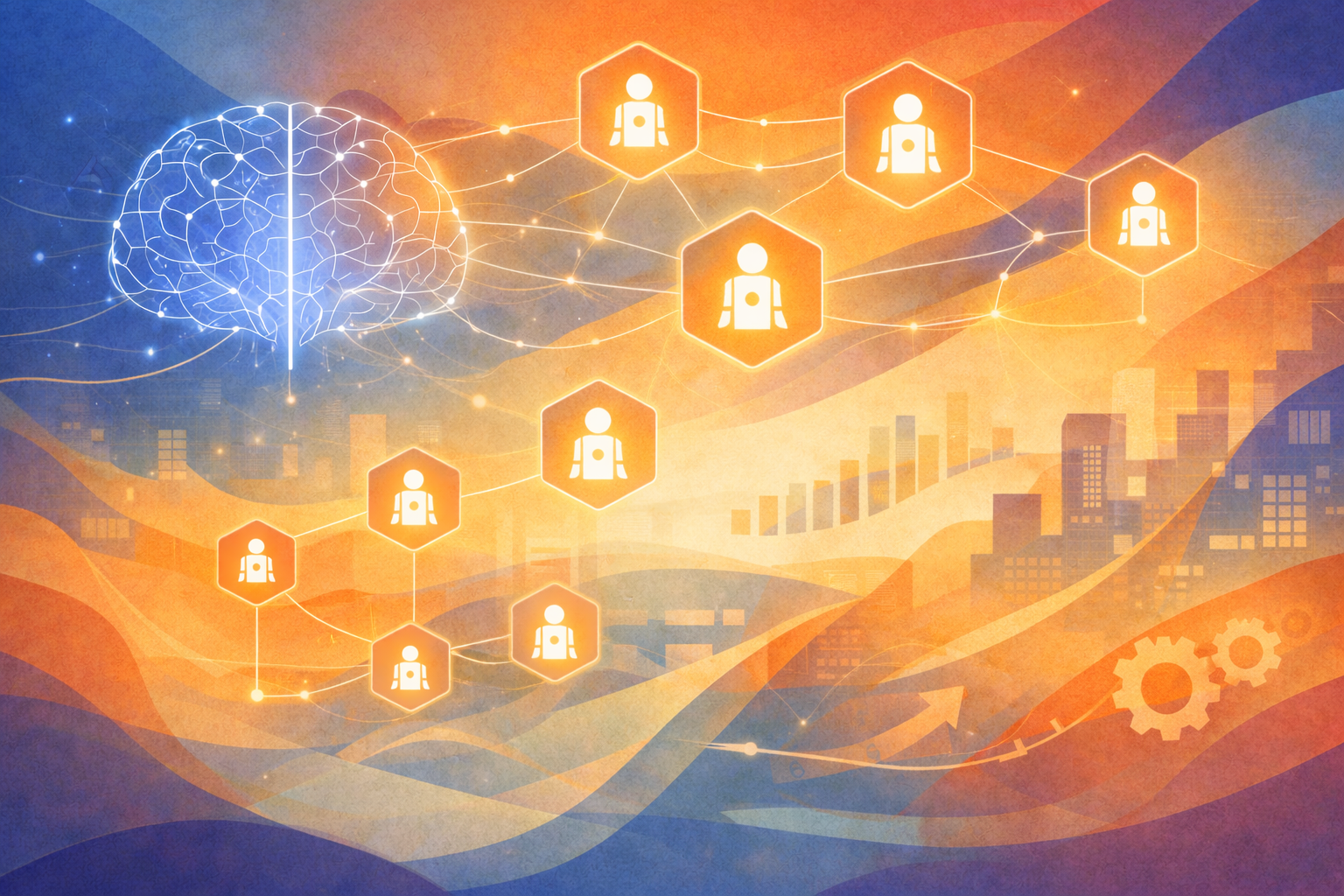
Microsoft Research, the research division of Microsoft focused on long-term scientific and technical advances, has released a new AI-based system called OptiMind, aiming to reduce one of the most persistent barriers in operations research: translating real-world problems into mathematical models that machines can optimize.
Doug Burger, Managing Director of Microsoft Research Core Labs, took to LinkedIn to confirm the release, positioning OptiMind as a way to turn plain-language descriptions into formal optimization formulations such as mixed-integer linear programs. These models can then be solved using established optimization engines.
Burger wrote that the system was built to address “the difficulty of formulating complex problems or systems in a way that they can be optimized,” adding that OptiMind “turns natural language into mathematical formulations… that makes it easier to explore solutions with powerful optimization solvers.”
From natural language to supply chains and schedulers
According to Burger, OptiMind is designed for scenarios where systems are too complex, dynamic, or interconnected for manual modeling to scale. He said the system enables organizations to “optimize and improve complex systems like supply chains, manufacturing systems, or global schedulers,” while supporting scenario testing and re-optimization as conditions change.
The release reflects a broader push by Microsoft Research to combine large language models with classical optimization tools, rather than treating generative AI as a standalone solution. Burger said the approach allows users to explore alternatives continuously as constraints, inputs, and objectives evolve.
OptiMind is now available for experimentation via Microsoft Foundry and Hugging Face, with benchmarks and data-processing pipelines released openly. Burger said the decision to publish these assets was intended to support transparency and community-led progress.
He noted that the system forms part of a wider effort by Microsoft Research’s machine learning and optimization team to “democratize optimization in operations with generative AI and agentic solutions,” combining large language models with simulators and optimization algorithms already used in industry.
Long-term ambitions beyond enterprise operations
Burger also pointed to longer-term applications that extend beyond enterprise workflows. He said the same techniques could eventually be applied to larger systems, including cities, infrastructure, and local economies.
In his post, Burger wrote that tools like OptiMind could play a role in sustainability efforts, stating that they would be “important in reducing emissions and building a more sustainable future.”
He closed by congratulating the Microsoft Research team behind the release, highlighting contributions from researchers across optimization, machine learning, and systems design.
ETIH Innovation Awards 2026

The ETIH Innovation Awards 2026 are now open and recognize education technology organizations delivering measurable impact across K–12, higher education, and lifelong learning. The awards are open to entries from the UK, the Americas, and internationally, with submissions assessed on evidence of outcomes and real-world application.